


You can hardly believe it. Congratulations, mama!
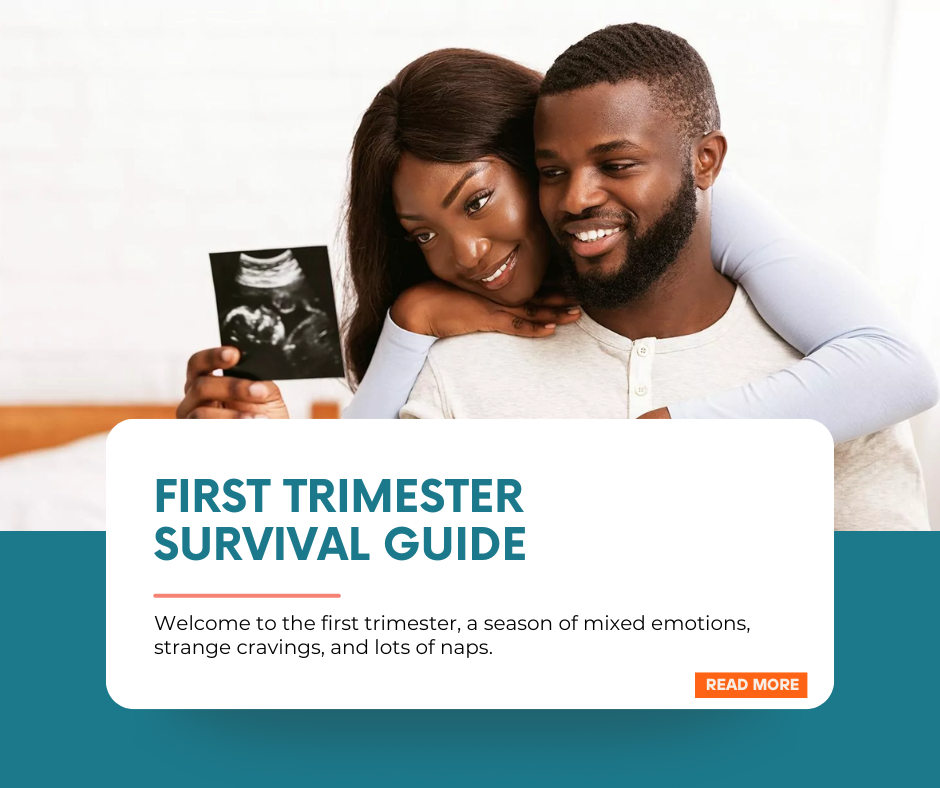
You’re officially pregnant and while your heart is bursting with excitement, your body might feel like it’s suddenly running its own chaotic experiment. Welcome to the first trimester, a season of mixed emotions, strange cravings, and lots of naps.
For many women, those first 12 weeks come with both joy and confusion. You might be wondering what’s normal, what’s not, and how to survive it all with your sanity intact. Here’s your ultimate guide to survive the first trimester from real experiences to reassuring truths every Kenyan mum-to-be should know.
The Emotional Rollercoaster Is Real
One minute you’re teary watching an advert about baby diapers, and the next you’re laughing uncontrollably because someone said “nyama choma.” It’s not you, it’s your hormones.
During the first trimester, estrogen and progesterone levels soar to support your growing baby. This hormonal surge can cause mood swings, irritability, and even anxiety. It’s completely normal to feel all over the place.
Survival tip for mood swings during pregnancy: Give yourself grace. Rest when you need to, talk to someone you trust, and remind yourself that you’re not “too emotional”, you’re creating life.
Morning Sickness (That Lasts All Day)
Ah, the infamous nausea. Despite its name, “morning sickness” can strike at any time in the morning, noon, or right in the middle of your ugali na sukuma wiki. Some mamas sail through the trimester nausea-free, while others can’t stand the sight of food they once loved. It’s important to understand what’s normal about your morning sickness and what needs a doctor’s consultation.
Normal morning sickness: Mild to moderate nausea, occasional vomiting, food aversions, and heightened sensitivity to smells.
Not normal morning sickness: Severe vomiting that prevents you from keeping food or water down that could be hyperemesis gravidarum and needs medical attention.
Survival Tips for Morning Sickness in the First Trimester
There are various morning sickness hacks and remedies you can try to keep the first trimester nausea down, including:
- Eating small, frequent meals
- Keeping plain crackers or biscuits by your bedside to snack before you rise
- Sipping flavored water, coconut water, or ginger tea throughout the day
- Avoiding strong smells and spicy foods that trigger nausea
- Eating cold food sometimes because the odour is less
Fatigue Like You’ve Never Known Before
If you feel like you could nap standing up, you’re not alone. Your body is working overtime building the placenta, adjusting hormones, and increasing blood supply. It’s like running a marathon while sitting still.
Survival Tips for Fatigue in the First Trimester
- Sleep early
- Sneak in power naps during the day
- slow down your pace of carrying out activities.
- Let go of guilt of needing constant rest
Breast Tenderness and Body Changes
Your breasts might feel heavier, sore, or tingly, which is another sign that hormones are preparing your body for breastfeeding. You might also notice darkening of the nipples and visible veins on your chest.
Normal breast tenderness: Mild soreness, swelling, or tenderness.
Not normal breast tenderness: Sharp pain, lumps, or discharge that looks unusual.
Survival Tips for Breast Tenderness in the First Trimester
Tender and sore breasts can be extremely uncomfortable and sensitive. Try out some of the hacks below to reduce the pain.
- Invest in a soft, supportive bra (you’ll thank yourself)
- Avoid underwire bras if they feel uncomfortable
- Moisturize your skin, it’s stretching too!
Spotting and Cramping
A small amount of light pink or brown spotting can be normal, especially when the fertilized egg implants in your uterus. However, heavier bleeding or sharp cramping should never be ignored.
Normal cramping: Mild cramps similar to menstrual pain.
Not normal cramping: Heavy bleeding, clots, or severe pain. Call your doctor immediately if you notice this.
Survival tip for cramping in the first trimester: Always trust your instincts. If something feels off, it’s okay to seek reassurance from your healthcare provider.
Food Cravings and Aversions
Suddenly can’t stand your favorite chapati? Or craving roasted maize in the middle of the night? It’s normal! Your changing hormones can make your taste buds unpredictable.
Survival tips for food cravings or aversions:
- Give in to healthy cravings when possible
- Keep your meals balanced, including fruits, proteins, and whole grains
- Don’t worry if some days you only manage rice and soup; the goal is to eat what you can
Related: What to Eat and Avoid During Each Trimester: Advice From a Maternal Health Nutritionist
Frequent Urination
Your bladder might feel like it’s constantly under attack, blame it on the increased blood flow and expanding uterus pressing on it. It’s annoying, yes, but normal. You can expect this as one of the early signs of pregnancy but it will subside in the second trimester as your uterus shifts upwards and forward.
Survival tip for frequent urination during pregnancy: Don’t give into cutting back on fluids because it’s likely to cause dehydration, which can make nausea worse. Instead, plan your bathroom breaks and stay hydrated.
Emotional Health and Anxiety
Between excitement and fear, it’s easy to feel overwhelmed. Thoughts like “Will my baby be okay?” or “Can I handle this?” or “Am I doing this right?” are completely normal.
Pregnancy can also come with a lot of physical changes on your body, including weight gain, skin breakouts, darkening of your face, and so on. Further, you’re also increasingly becoming aware that your role is changing to motherhood, which can induce anxiety and in extreme cases, depression.
Mental health wellness is as important as physical health. It’s crucial to speak with your doctor or therapist if you’re constantly feeling mentally overwhelmed during pregnancy. Malaica’s maternity care comes with access to a virtual psychologist for you ad your partner’s mental wellbeing during preconception, pregnancy, and postpartum.
Survival tips for mental well being during pregnancy:
- Join a pregnancy support group (Malaica’s antenatal care comes with access to an online support group for pregnant women)
- Talk to your partner about your feelings.
- Speak to a healthcare professional when it gets too heavy
- Be intentional about building a support village
Antenatal Visits to Survive the First Trimester
Your first antenatal visit happens between 8-10 weeks and is a big milestone! Expect urine and blood tests, an ultrasound, nutritional supplements, and plenty of health education. Your doctor will check your baby’s heartbeat and set the tone for your pregnancy journey.
If you have any questions or concerns, this is the best time to speak with your doctor or midwife. Write down your questions before appointments. No question is too small — this is your time to learn and understand what’s happening in your body.
Most signs of pregnancy in the first trimester are uncomfortable and challenging. However, there are certain signs you shouldn’t ignore when pregnant because they indicate your unborn baby is unwell.
If you experience any of these, contact your healthcare provider right away.
- Heavy bleeding or clots
- Severe abdominal pain
- Fainting or dizziness
- Persistent vomiting or dehydration
- Fever or chills
- No pregnancy symptoms are suddenly disappearing
How to Choose a Maternity Hospital for Prenatal Care
The maternity care hospital and team you choose often determines your pregnancy, delivery, and postpartum experience. It can be the difference between having a challenging bump journey and relaxing into your pregnancy because you have all the healthcare you and your unborn baby need to thrive.
Consider the factors below when looking for a maternity hospital:
- Birthing options: Confirm if the hospital offers a variety of delivery options so that you’re prepared and set for anything. These include normal delivery, caesarean section (CS), painless delivery, and infrastructure for high-risk pregnancies.
- Proximity: How far is the hospital from your resident? However, do not let this tie you down to a substandard facility just because it’s closer to home. At the end of the day, prioritize quality care over proximity.
- Cost transparency and insurance options: Most hospitals have different maternity packages, which helps you plan your finances and budget for the baby. The hospital should also be partnering with your health insurance company for a smoother payment process.
- Reputable clinical excellence: Check what other moms are saying about the hospital. Also ensure the ob-gyn, general physicians, and midwives are qualified to provide these services. It’s also crucial for the maternity care team you work with to have a high-risk pregnancy specialist.
- Facilities and infrastructure: How equipped is the maternity care hospital for different types of births, complications, and emergencies? The centre should, at the very least, have well-equipped labor and delivery rooms, a neonatal intensive care unit, fetal monitoring systems, and 24/7 emergency line and services.
First Trimester Antenatal Care at Malaica
The first trimester can feel like an unpredictable adventure: part joy, part exhaustion, part confusion. But remember, every weird symptom and sleepless night is your body’s way of preparing for something beautiful.
Surviving the first trimester involves taking it one day at a time, eating what you can, resting when you need to, and finding a maternity care hospital in Nairobi that walks together with you from the first trimester till postpartum.
Malaica Maternity Hospital provides you with personalized care that comes with multiple layers of support, including OB-GYN led antenatal clinics, a virtual psychologist, 24/7 access to an emergency line, and an online community of pregnant moms.
Learn how we can empower your journey during the first trimester and beyond by sending us a message at 0746 610643 or request us to call you back.