



Budgeting for Baby: What to Plan for Financially
by Elsa Oguya
What is the one word that comes to mind when the economy is being discussed? It’s that gut-wrenching feeling you get when you think about expenses, rising prices, and the countless bills that seem to arrive like clockwork. Now, imagine adding a baby to the mix. Suddenly, the needs multiply.
Welcoming a child is a beautiful, life-changing experience, but it also comes with a financial reality that requires careful planning. Budgeting for a baby is less about restricting joy and more about ensuring that your little one arrives into a world where their needs can be met without constant stress.
The Costs Begin Before the Baby Arrives
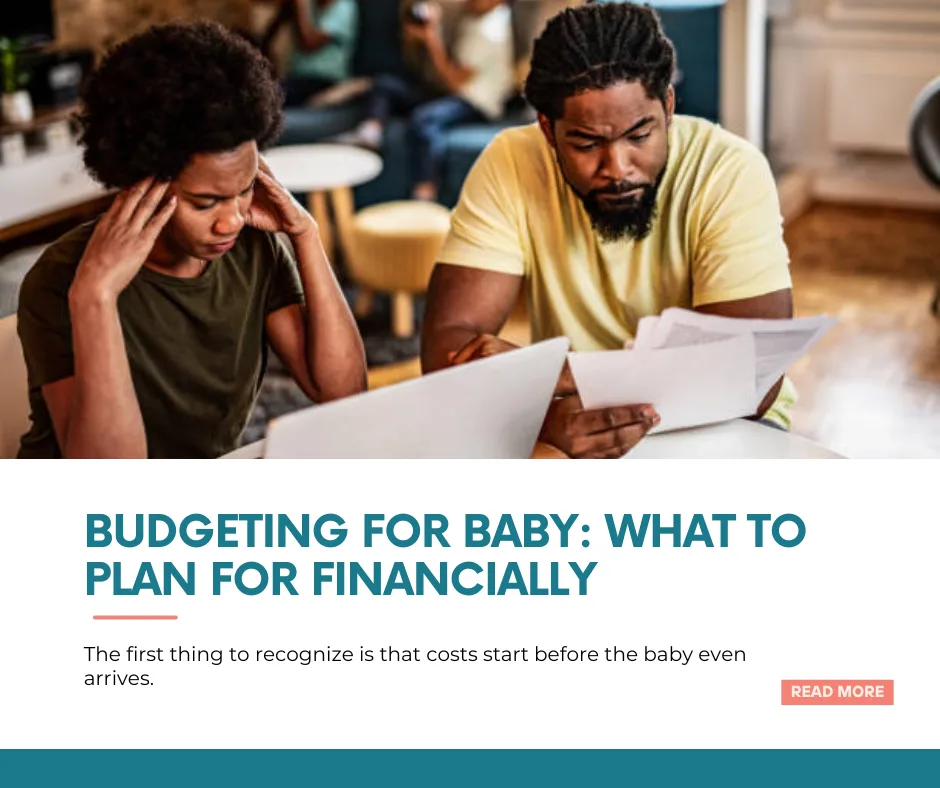
The first thing to recognize is that costs start before the baby even arrives. Prenatal care, check-ups, vitamins, and ultrasounds are just the beginning. Depending on where you live and your healthcare situation, these can add up quickly. Even with insurance, there are often co-pays or services that aren’t covered.
Planning for these early costs gives you a realistic sense of your financial baseline. It also helps to keep an emergency fund handy because pregnancy can come with surprises, extra tests, medications, or even last-minute travel to a specialist.
Immediate Baby Needs After Birth
Next, consider what your baby will need immediately after birth. Diapers, wipes, baby clothes, blankets, and basic toiletries are essential. It’s easy to get caught up in cute outfits or trendy gadgets, but focusing on the essentials first can save a lot of money.
Babies grow fast, and what fits one month may not fit the next. Buying in moderation, opting for second-hand items in good condition, or even borrowing from friends and family are practical ways to reduce costs without sacrificing quality.
Feeding Costs
Then comes feeding. Whether you choose to breastfeed, formula-feed, or a combination, it’s important to account for the costs involved. Breastfeeding isn’t free, there are nursing bras, pumps, storage bags, and sometimes lactation consultations.
Formula feeding can be even pricier, with cans, bottles, and accessories adding up month after month. Planning your feeding budget carefully ensures that you won’t be caught off guard, especially in the first year when feeding expenses are frequent and ongoing.
Baby’s Healthcare Costs
Healthcare for the baby is another critical consideration. Pediatric visits, vaccinations, and medications are necessary, and emergencies can happen. Health insurance coverage for your child is something to secure as early as possible.
Even minor illnesses can lead to unexpected expenses, and having a financial buffer or a dedicated medical fund for your child can make these situations less stressful.
Sleeping Arrangements Costs
Sleeping arrangements, while often overlooked, can also affect your budget. Cribs, mattresses, bedding, and safety gear like baby monitors aren’t cheap. However, quality matters for safety and comfort, so prioritize investing in a few key items rather than trying to save excessively.
Sometimes, simple solutions like a bassinet or co-sleeper for the first few months can work while you plan for more permanent items later.
Transportation and Travel Costs
Transportation and travel safety are also part of budgeting for a baby. Car seats, strollers, and baby carriers are essential, and safety should always be the priority.
These items can be costly, but they’re non-negotiable when it comes to protecting your child. Consider looking for quality used options or sales, but always ensure they meet current safety standards.
Childcare Costs
Another important but often underestimated expense is childcare. Whether it’s daycare, or a nanny, or a family member providing care, these costs are recurring and can be substantial.
Planning early, comparing options, and factoring in potential increases in fees will help prevent surprises. Even if one parent plans to stay home, it’s wise to consider backup options in case of illness or other emergencies.
Don’t Forget Your Needs Too
Lastly, don’t forget about your own needs. Postpartum care, support for mental health, and small comforts matter too. Parenting can be overwhelming, and budgeting should include provisions for your well-being. Even a small monthly allowance for yourself can help you maintain balance, which indirectly benefits your baby.
Final Thoughts on Budgeting for Baby Needs
Budgeting for a baby is ultimately about foresight and preparation. By breaking down expenses into realistic categories such as prenatal care, immediate baby needs, feeding, healthcare, sleeping arrangements, transportation, childcare, and parental support, you can create a financial roadmap that reduces stress and maximises joy.
Remember, the goal isn’t to cut corners at the expense of safety or well-being, but to prioritise what truly matters while keeping your finances manageable. When you plan carefully, the inevitable “wueeeh!” moments transform into confidence and readiness, letting you focus on the excitement, love, and adventure that comes with welcoming a new life.
Malaica Maternity Hospital helps you budget accordingly by providing key pregnancy care needs under a single affordable package. These include OB-GYN led antenatal care medical evaluations, a virtual psychologist for mental health support, a 24/7 midwife hotline for professional advice, an online community of expectant mums, and lamaze classes all under one package.
Call or send us a message at +254 746 610643 to learn how we can empower your pregnancy journey.