



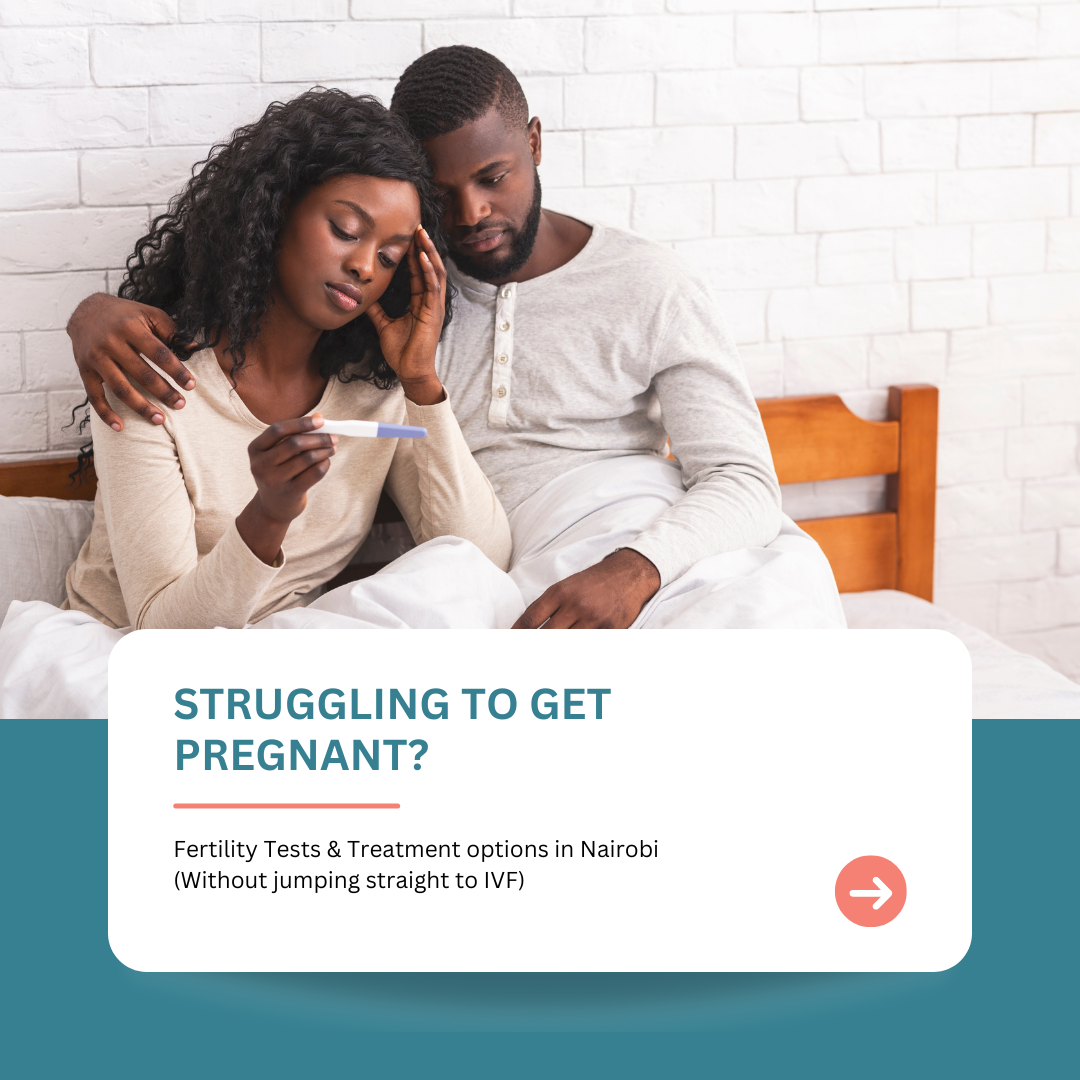
If you are trying to get pregnant and it is taking longer than expected, you are not alone. In Kenya, approximately one in five couples experience difficulty conceiving, and many seek support from a gynecologist for pregnancy planning.
In most cases, couples who have been trying to conceive without success can be diagnosed and treated with relatively simple and accessible options through preconception care or a pre-pregnancy checkup, such as those offered by Malaica.
Importantly, in vitro fertilization (IVF) is only required in specific situations, and many couples are able to achieve pregnancy with less invasive treatments. Understanding the most common causes of infertility, fertility tests and treatment options can help you take the informed and right next step toward pregnancy.
What Are the Most Common Causes of Infertility in Kenya?
Infertility can affect both women and men, and in many cases, both partners contribute to the difficulty in conceiving. In Kenya, certain causes are more common due to regional health patterns and access to care.
Common Causes of Women Infertility in Kenya
Among the leading causes of female infertility are:
- Tubal factor infertility (blocked or damaged fallopian tubes)
Damage to the fallopian tubes is commonly the result of prior infections, particularly untreated sexually transmitted infections (STIs) such as chlamydia or gonorrhea, which can lead to pelvic inflammatory disease (PID).
These infections may cause inflammation and subsequent scarring or adhesions within the fallopian tubes, impairing or completely blocking the passage of the egg and sperm, and thereby preventing fertilization.
- Endometriosis.
Endometriosis happens when tissue similar to the lining of the womb grows outside it. This can cause pain and sometimes make it harder to get pregnant. This condition can lead to pelvic pain, inflammation, and the formation of adhesions, which may distort pelvic anatomy and negatively affect ovulation, fertilization, or implantation.
While not all women with endometriosis are infertile, moderate to severe disease is associated with reduced fertility, and in some cases, surgical intervention may improve reproductive outcomes.
- Ovulation disorders
Another common cause is ovulation disorders, where the body does not release an egg regularly. Conditions such as polycystic ovary syndrome (PCOS), thyroid disorders, and hormonal imbalances can disrupt ovulation.
Other causes include uterine conditions such as fibroids or polyps. These conditions are among the most common reasons women seek evaluation at a gynecologist or a fertility clinic in Nairobi.
Common Causes of Male Infertility in Kenya
Male factor infertility is also a significant cause and is involved in up to half of infertility cases. Despite this fact, male testing is often overlooked, even though it is a simple and essential first step. This causes may include:
- Low sperm count
- Poor sperm movement
- Abnormal sperm shape
In both men and women, lifestyle factors such as stress, weight, smoking, or alcohol use can also contribute to difficulties in conceiving. But in some cases, no clear cause is identified, a situation known as unexplained infertility.
Can Infertility Be Treated Without IVF?
A common misconception is that infertility always requires in-vitro fertilisation (IVF). In reality, many causes of infertility can be treated without IVF, especially when identified early through proper diagnosis.
- Infections, which are a leading cause of infertility in Kenya, can often be treated with antibiotics. Early treatment can prevent long-term complications and restore fertility in some cases.
- Hormonal and ovulation-related issues are frequently managed with medication such as clomiphene citrate or letrozole which stimulate ovulation and significantly increase the chances of natural conception. These treatments are widely available and often prescribed by a gynecologist for pregnancy planning.
- Structural problems, such as fibroids or polyps, may be treated with minor surgical procedures. In selected cases, even blocked fallopian tubes can be surgically addressed and conception achieved.
When Is In Vitro Fertilization (IVF) Recommended?
While many cases can be managed without advanced assisted reproduction interventions, IVF may be recommended in certain situations, such as:
- Severe tubal damage or completely blocked fallopian tubes
- Severe male factor infertility
- Long-standing unexplained infertility
- When other treatments have not been successful
If needed, several reputable IVF clinics in Nairobi and across Kenya offer these services. However, IVF is typically considered after simpler and less invasive options have been explored.
How Malaica Can Assist You
If you are planning a pregnancy, visiting a gynecologist specialized in fertility care is an important first step to learn the preparations. These include vitamins such as folic acid and making sure you have all necessary vaccination.
If you have been trying to get pregnant unsuccessfully, a structured evaluation can often identify the cause of infertility and guide treatment.
Fertility Tests for Women
For women, a typical evaluation includes the standard fertility tests widely available in Kenya, including:
- Reviewing medical and pregnancy history
- Tracking menstrual cycles
- Performing blood tests to assess hormone levels
- Ultrasound imaging is to examine the ovaries and uterus,
- Hysterosalpingography (HSG) test to check whether the fallopian tubes are open
Fertility Tests for Men
For men, the primary test is semen analysis, which evaluates sperm count, movement, and shape. This test is simple, non-invasive, and provides critical information early in the process.
Treatment Options for Infertility
In the case of mild male factor infertility, adopting the lifestyle changes below can improve sperm quality:
- Improving diet
- Regular exercise
- Reducing alcohol consumption
- Quitting smoking
- In some cases, simple medical treatments may also help
Additionally, timing intercourse during the fertile window, often supported by cycle tracking or ovulation testing, can make a significant difference. Many couples benefit from guidance provided by ovulation tracking and testing.
In some situations, doctors at Malaica may recommend intrauterine insemination (IUI), which is a less invasive and more affordable option than IVF.
Where to Start: Preconception Care at Malaica
If you are planning to have a baby, starting with preconception care or a pre-pregnancy checkup is one of the most effective steps you can take. During a preconception visit, your doctor at Malaica will:
- Review your medical history
- Recommend necessary tests
- Provide guidance on nutrition and supplements (such as folic acid)
- Identify any risk factors early
This early preparation can improve your chances of conceiving and having a healthy pregnancy.
Ready to Take the Next Step?
Book a preconception or fertility consultation with Malaica today and get a clear, personalized plan for your pregnancy journey.