



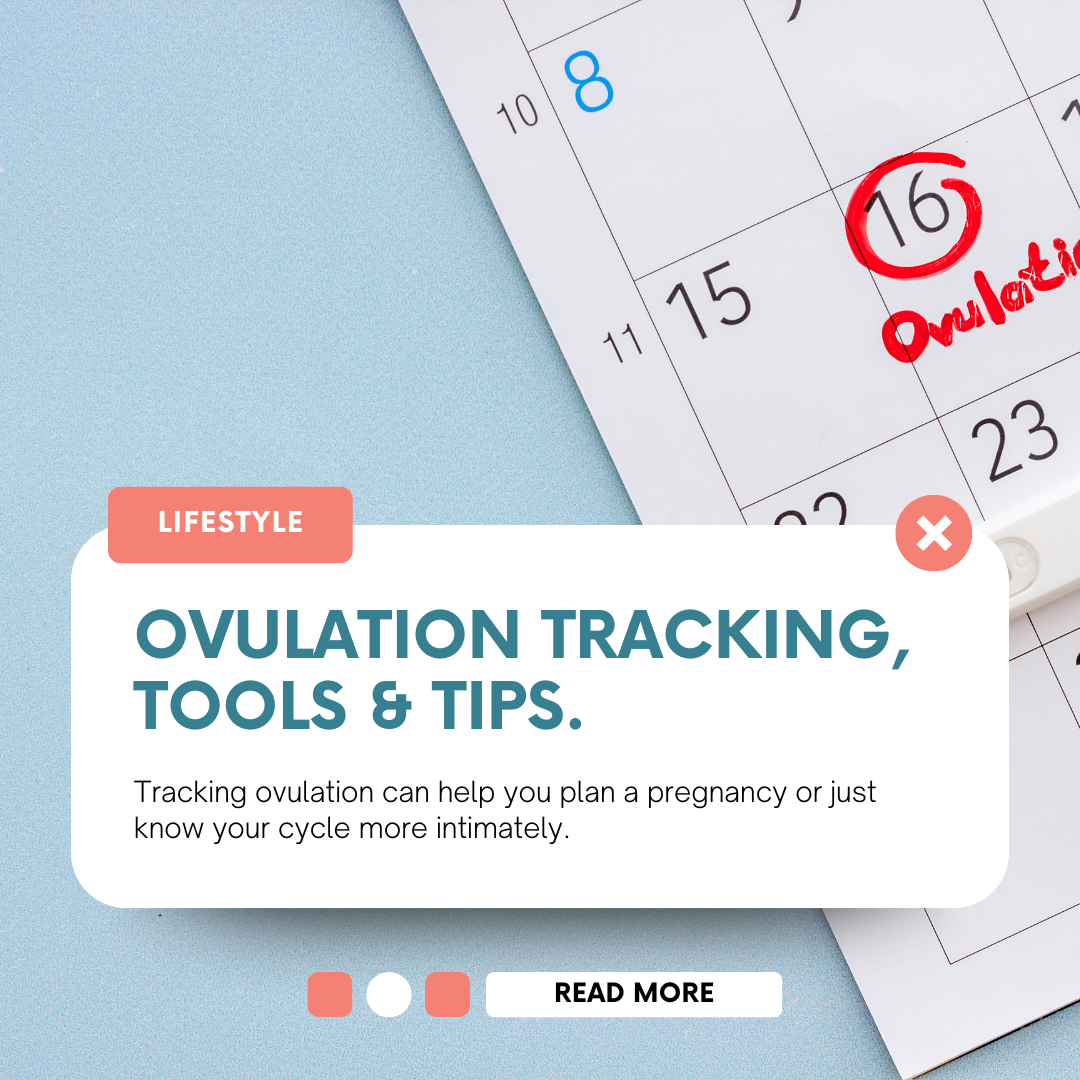
Trying to figure out the best time to conceive or just trying to understand your body better means getting familiar with ovulation. It sounds serious, but don’t worry, it’s not rocket science.
Ovulation is basically your body’s way of saying, “Hey, I’m ready!” Usually, this happens once a month, somewhere in the middle of your cycle, when an egg is released and ready for fertilization. Think of it as a very exclusive party and your egg is the guest of honor.
Different Methods for Ovulation Tracking
Tracking ovulation can help you plan a pregnancy or just know your cycle more intimately. There are several ways you can track your ovulation from simply counting your cycle days to predictor kits, and mobile apps.
1. The Calendar Method
The simplest way is the classic calendar method. If your cycle is pretty regular, you can mark the first day of your period and count about 14 days forward. That’s often the golden window, but remember, our bodies aren’t always predictable and will sometimes throw in a surprise.
Your most fertile period of the cycle is the 5 days before ovulation plus the day of. If you’re trying to conceive via ovulation timing, this is the perfect time.
2. Ovulation Test Kits
Another tool that’s gained popularity is ovulation predictor kits, which you can buy at most local and online pharmacies.
These little strips work like pregnancy tests, but in reverse in that they tell you when your body is about to release an egg. It’s like having a tiny fortune teller in your bathroom, only less dramatic and more accurate.
3. Ovulation Tracking Apps
If you want to get a bit more high-tech, there are apps that track your cycle, symptoms, and even your basal body temperature. Some people swear by them, and others treat them like horoscopes, you know, fun to check but not always gospel truth.
Your body temperature rises slightly after ovulation, and tracking it can give you clues about your fertile days. Just remember to take your temperature at the same time each morning before you do anything else, yes, even before hitting snooze.
4. Listening to Body Signals
Don’t forget about the good old-fashioned body signals. Some people notice changes in cervical mucus, which can be a surprisingly reliable indicator. Yes, your body gives little hints if you’re paying attention. It’s like it’s whispering, “Hey, the egg is on its way!”
Related: 6 Foods That Get You Closer to Pregnancy in Kenya
Choosing What Works for You
The key is to find what works for you and your lifestyle. Some people love apps and kits, others prefer calendars and intuition. And no matter what method you use, try not to stress because it’s supposed to be fun, not a pop quiz. And if all else fails, just remember, timing is everything…unless your egg decided to take the scenic route.
Tracking ovulation can feel like a science experiment, but it’s really just learning the rhythm of your own body. With a little attention, some tools, and maybe a touch of humor, you can get to know yourself better, and maybe plan your little guest of honor’s arrival.
If you’re trying to get pregnant, our OB-GYN led preconception care team provides personalized and evidence-based support to help you prepare for pregnancy with more confidence. Our goal is to ensure you’re physically, emotionally, and medically ready to get pregnant and we do this through medical evaluations, screening for chronic conditions, assessing genetic risks, and lifestyle adjustments to support fertility.
Curious how we can empower your pregnancy journey right from preconception? Call or WhatsApp us at +254 746 610643 to learn more. You can also fill out our online booking form and we’ll call you back.