


You might have read our article on Your Doctor: The Only Voice You Should Listen to During Your Delivery. If not, it discusses five reasons why your doctor should be the only voice of reason you listen to during pregnancy and most importantly, in the labour and delivery room.
If there’s one truth many new and expectant mothers quickly discover is that pregnancy and motherhood seem to invite advice from everyone. Relatives, neighbours, church members, workmates, strangers in queues, and even well-meaning aunties on WhatsApp suddenly feel qualified to tell you what to eat, how to sleep, when to deliver, how to carry your baby, or what you are doing “wrong.”
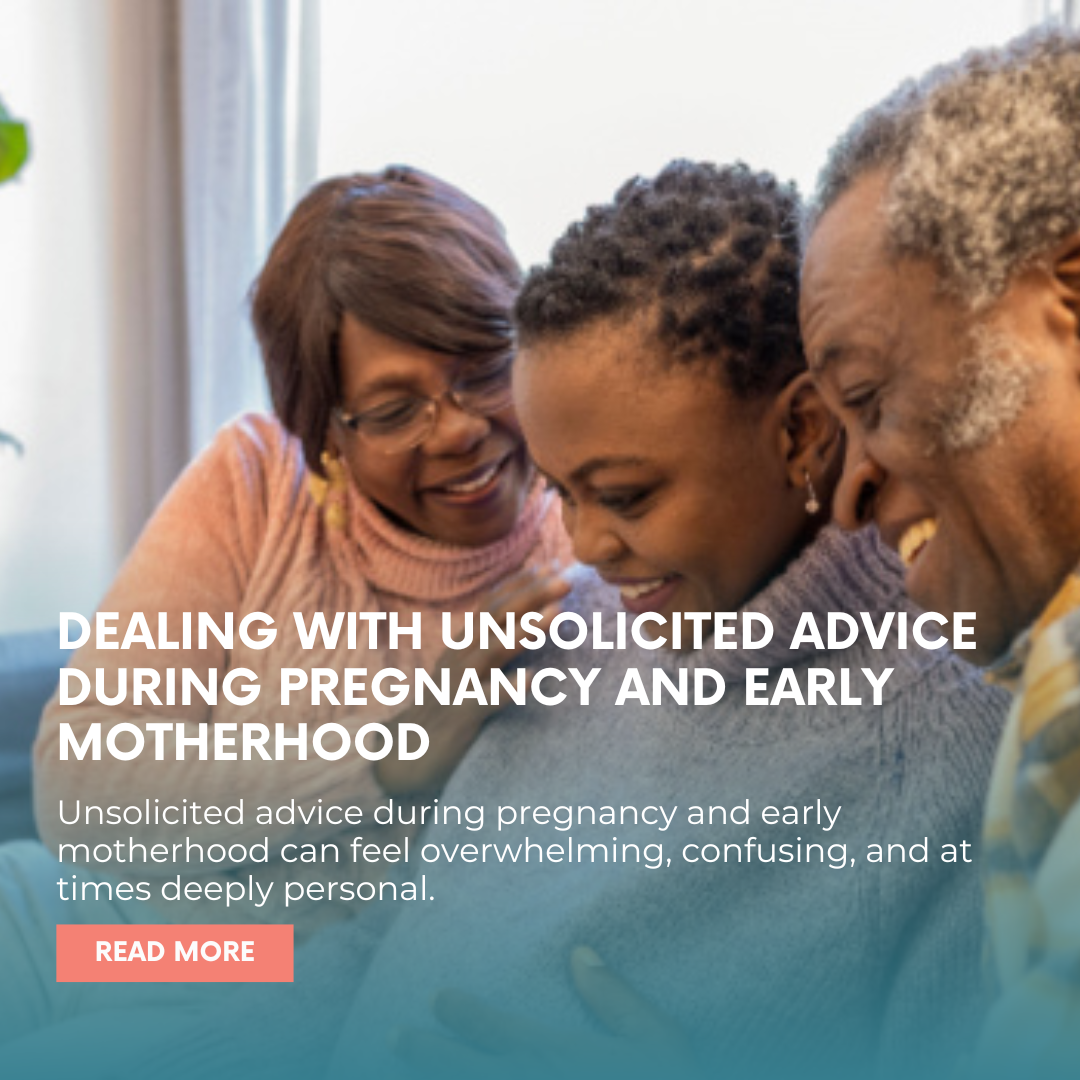
Unsolicited advice during pregnancy and early motherhood can feel overwhelming, confusing, and at times deeply personal. One person tells you to avoid eggs, another insists eggs are essential. Someone warns you about hospital deliveries, while another insists home birth is the only way. A neighbour notices your baby crying and immediately suggests herbal remedies you’ve never heard of. Most of this unsolicited advice during pregnancy comes from a place of love, tradition, or lived experience, but that doesn’t mean it’s always helpful or safe.
6 Ways to Deal With Unsolicited Advice During Pregnancy and Motherhood
For many Kenyan mothers, family and community pressure is woven into daily life. Elders are respected, cultural practices are valued, and refusing advice can feel like disrespect. Yet pregnancy and motherhood today also come with access to medical care, evidence-based information, and personal choice. The tension between tradition and modern healthcare is real, and navigating it requires both grace and firmness.
1. Your Choice of Pregnancy Care Is Yours to Make
One helpful starting point is remembering that you do not owe anyone an explanation for every decision you make about your body or your baby. A simple, calm response such as “Thank you, I’ll think about it” can go a long way. It acknowledges the person without committing you to follow their advice. This approach helps preserve relationships while protecting your peace.
2. Reference Your Doctor’s Advice
There are moments, however, when firmer boundaries are necessary, especially when advice contradicts medical guidance or makes you anxious. Phrases like “My doctor has advised me differently” or “This is what works best for us” gently shift the conversation back to your trusted source of care. Referring to your healthcare provider can reduce arguments, as many people are less likely to challenge a professional recommendation directly.
3. Be Selective With the People You Take Advice From
It also helps to choose whose voices you truly listen to. Not all advice deserves equal weight. Your doctor, midwife, or antenatal care provider understands your medical history and your pregnancy better than anyone else. A close friend who supports you through pregnancy emotionally may offer comfort even when she doesn’t have all the answers. Social media, extended family, and community opinions can be loud, but they don’t all need to sit at the decision-making table.
4. Set Emotional Boundaries as Well
Emotional boundaries matter just as much as physical ones. If certain conversations leave you feeling anxious, guilty, or inadequate, it’s okay to limit them. You can change the topic, excuse yourself, or reduce time spent in spaces where your choices are constantly questioned. Protecting your mental health during pregnancy and postpartum is not selfish; it is essential.
5. Have an Open Conversation With Your Support Village
For partners and close family members, having open conversations early can make a big difference. Letting them know what kind of support you need, whether it’s help with chores, encouragement, or simply quiet understanding, sets expectations. When your inner circle understands your choices, they can also help buffer external pressure.
6. Always Remember That Every Mother’s Journey Is Different
Whenever you feel guilty about shutting down unsolicited advice during pregnancy, remember that every mother’s journey is different. What worked for someone else may not work for you, and that doesn’t make either of you wrong. Your pregnancy, your birth plan, and your parenting choices are shaped by your health, your circumstances, and your values. Trusting yourself, alongside professional medical advice, is one of the most important skills you will develop as a mother.
Find Personalized Pregnancy and Postpartum Care
Dealing with unsolicited advice is an ongoing part of motherhood, not just pregnancy. With time, many women find their voice grows stronger. You learn when to smile and nod, when to say no, and when to stand your ground. Grace and firmness can exist together, and choosing both allows you to honour your community while staying true to what is best for you and your baby.
In the end, the most important thing is that you are the mother and you’re allowed to make informed choices, change your mind, and protect your peace as you step into this new chapter of life.
This is why our pregnancy and postpartum care at Malaica Hospital is personalized to your needs. We understand that every mum is different and something that works for one mother might not work for another and that’s okay.