



Congratulations, mama! How far along are you? Just survived the dreadful first trimester, or are you already counting down the weeks to meet your precious one? The best time to start thinking about how to craft your birth plan is pregnancy week 34 but wherever you are in the journey, it’s never too early.
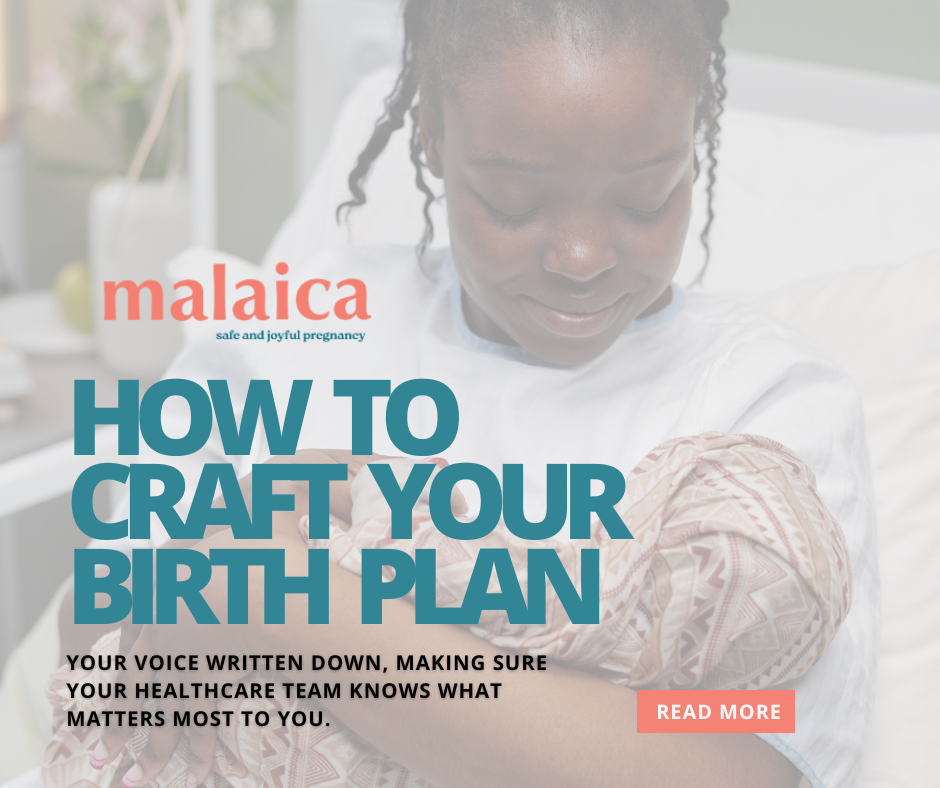
A birth plan is simply a guide or document that lays out your preferences, wishes, and expectations for labor, delivery, and the first moments after your baby arrives. Think of it as your voice written down, making sure your healthcare team knows what matters most to you, even when you may not have the strength to speak it out loud.

Why a Birth Plan Matters for Labour and Delivery
Picture this: you’ve gone into labor, the contractions are intense, emotions are running high, and everyone around you is busy preparing for delivery. In that whirlwind, it’s easy to feel like you’ve lost control. A birth plan helps you stay grounded. It tells your caregivers what’s important to you, whether it’s having your partner cut the cord, or choosing an activity that soothes you during labor.
It’s not about demanding a “perfect birth.” It’s about having a say in your experience and giving yourself peace of mind that your wishes are known and respected. A birth plan gives you a say in the delivery room and your medical team have an obligation to follow your preferences unless something changes, in the case which you can also outline the next steps take should the unexpected happen.
Studies show that having a birth plan for pregnancy and beyond results in a positive birth experience even in cases where labor and delivery doesn’t unfold according to plan.
Related: Download our Doula-Certified Online Birth Plan Template
5 Key Components of a Comprehensive Birth Plan
Sounds interesting, right? To make an effective plan, you should think of highlighting the following.
1. Birth Setting
Top of the list is choosing your birth setting. The question you have to answer at this stage is where you’d like to give birth. Finding the right maternity hospital with the right team within your budget will get your plan set in the right direction.
2. Preferences for Pain Management
The second item should be pain management preferences. Labor pain is real, but so are your choices. In your birth plan, be clear about how you’d like to manage it. Do you want medical interventions like an epidural, spinal block, or would you prefer natural pain management, such as breathing exercises, water immersion, massage, or movement? Or maybe a combination, depending on how things unfold?
Writing this down doesn’t mean you’ll be locked into one method, but it ensures your care team understands your starting point.
Read More: Natural vs. Epidural: Making the Right Choice for You
3. People Who Will Be in the Delivery Room
The third question and one that has the potential to bring chaos if not properly addressed, is who’s by your side. Support during labor is everything. Some mothers want their partner to hold their hand every step of the way. Others prefer a sister, or even their mother.
It’s common for families to have strong opinions about who should be in the delivery room, so your birth plan is a polite but firm way of saying, “These are the people I want with me.”
4. Cultural and Spiritual Preferences
Every mama comes from a unique culture and has her own set of traditions. This part mentions your cultural or personal preferences. Maybe you want a prayer said before the first feed, a special blanket to wrap your baby in, or soft music playing during labor. These details might seem small, but they help make your birth experience uniquely yours.
5. Make Room for the Unexpected
Finally, a proper birth plan must make room for the unexpected. Here’s the truth: no birth plan can guarantee how things will go. Labor is unpredictable, and sometimes emergencies call for quick decisions, like an unplanned C-section or assisted delivery. Flexibility is key.
Your plan should also include a section on what you’d prefer if things don’t go as expected. For example, if your baby needs immediate medical care, who should accompany them? Thinking ahead helps reduce anxiety if the unexpected happens.
Talk to Your Doctor After Crafting Your Birth Plan
And just like that, you have a birth plan. Don’t just tuck it into a drawer; come with it to your next Malaica antenatal care appointment. Ask your doctor what’s realistic within the facility you’ve chosen. Some hospitals may not allow certain requests, and it’s better to know early and adjust your expectations.
At the heart of it, a birth plan gives you confidence and peace of mind. It’s not about controlling every detail but about being a prepared, informed, and empowered Mama.
At Malaica, our doctors and other maternal health specialists can help craft your birth plan that’s personalized to your needs from pain management techniques to persons who will be in the room, while making room for the unexpected. During labour and delivery, our midwives ensure your birth plan is followed to the letter to ensure a smooth birth experience for you and your baby.
Call or send us a message at +254 746 610643 to learn how we can empower your pregnancy journey from preconception, throughout the pregnancy, until postpartum.