



7 Factors to Consider When Planning to Adopt in Kenya
by Elsa Oguya
Adoption is a journey that can bring immense joy, hope, and purpose into your life, but it is also a path that requires careful thought, preparation, and emotional readiness.
Deciding to adopt is not just about filling a gap in your family. It’s also about embracing a child into your life and committing to their growth, well-being, and happiness for a lifetime.
If you are planning to adopt in Kenya, it is important to approach the process with clarity, patience, and realistic expectations by considering the following main factors.
1. Your Motivations: Why Do You Want to Adopt a Child?
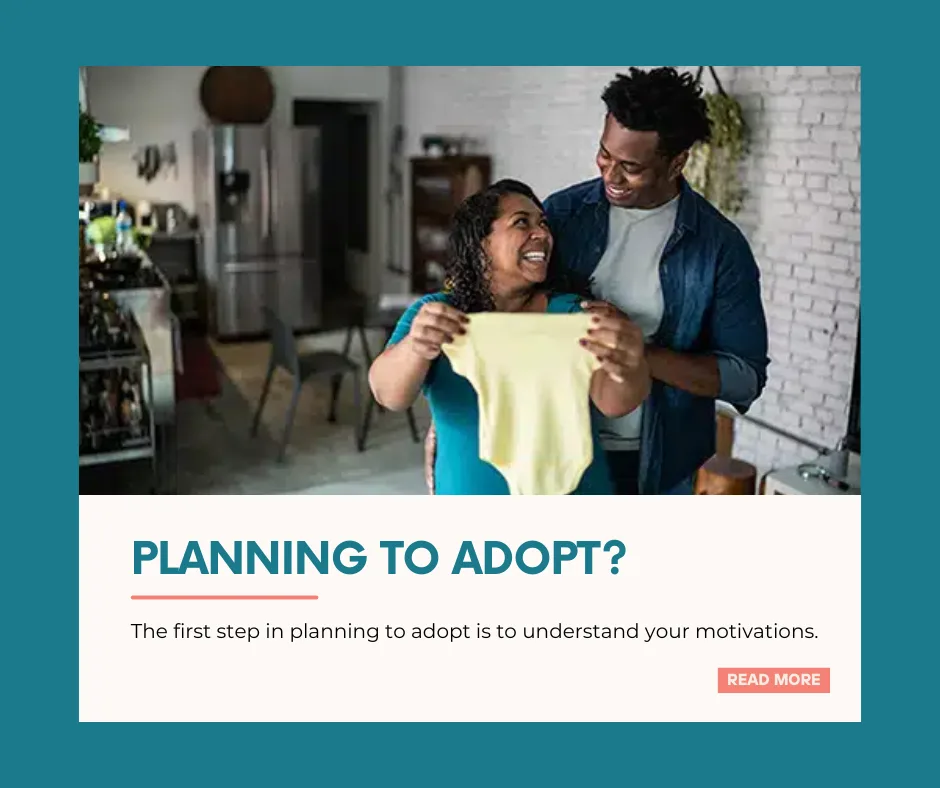
The first step in planning to adopt is to understand your motivations. Ask yourself why you want to adopt and what you hope to achieve through the process. Are you looking to expand your family because of infertility, a desire to care for a child in need, or another personal reason?
Being honest with yourself helps set the right foundation for the type of adoption that may suit your situation best, whether it is domestic, international, foster-to-adopt, or through private agencies. Each type has its own requirements, timelines, and emotional challenges, so knowing your motivation will help you navigate these choices more effectively.
Related: Foster Care and Adoption: 4 Adoption Agencies in Kenya
2. Your Emotional Readiness
Next, consider how well prepared you’re emotionally about the adoption process and aftermath. Adoption is a long-term commitment that requires resilience and flexibility.
Emotionally, you need to be prepared for the highs and lows of the process. There may be waiting periods, setbacks, and moments of uncertainty. Patience is critical, as well as the ability to manage expectations and adapt to circumstances beyond your control.
This might be the best time to start building your support village for when things feel too overwhelming to carry alone or with your partner.
3. Your Financial Ability and Readiness
Financially, adoption can be costly, depending on the type you choose. Expenses may include agency fees, legal fees, travel costs, home studies, and post-placement support.
Planning a budget and exploring financial assistance options, such as adoption grants or employer benefits, can help ensure you are prepared to handle the costs without undue stress.
4. Your Understanding of the Adoption Process
Educating yourself about the adoption process in Kenya is another essential step. Each country, state, or agency has specific rules, paperwork, and procedures. Learn about the eligibility requirements, the documentation needed, and the legal processes involved.
Research about the different types of adoption in Kenya and how each differs from requirements and processing:
- Kinship adoption: This is when a relative adopts a blood-related child so they’re legally recognized to be under their care.
- Local Adoption: The most common type of adoption involves a Kenyan couple or individual adopting a Kenyan child they previously didn’t know and are not related by blood.
- Foreign or inter-country adoption: As the name suggests, foreign adoptions involve someone who’s not a Kenyan citizen adopting a Kenyan child. This process is typically more challenging and costlier die to the inter-country bureaucracies and costs.
Consider attending adoption workshops or joining support groups where prospective parents share their experiences and advice. These resources can help you understand what to expect, reduce anxiety, and connect you with professionals who can guide you through the process efficiently.
5. Your Family Environment
A critical aspect of planning to adopt is evaluating your family environment.
Adoption is not just an individual decision; it affects every member of your household.Consider how your partner, if you have one, feels about adoption and how existing children might adjust to welcoming a new family member.
Preparing your home involves not only physical space but also emotional readiness. Think about the routines, the support systems, and the parenting approaches that will help integrate the child into your family smoothly. Creating a nurturing environment is crucial for helping the child feel safe, loved, and supported as they adjust to their new life.
6. The Child’s Background and Needs
Another important factor is understanding the child’s background and needs. Some children may have experienced trauma, neglect, or loss, and these experiences can affect their emotional and behavioral development.
Preparing yourself with knowledge about attachment, trauma-informed care, and child development will equip you to provide the best support. Adoption is a partnership between the child and the parent, and understanding their past helps you approach challenges with empathy, patience, and consistency.
7. The Legal Process
It’s also crucial to understand the adoption laws in Kenya which are put in place to ensure the process is legally binding and protects both the child and the adoptive family.
Ensure that you work with a reputable agency or attorney so they can help you navigate the legal requirements, avoid complications, and ensure that all steps are completed ethically and correctly. Adoption is a legal process as much as it is an emotional one, and getting the paperwork and approvals in order is non-negotiable for a successful outcome.
Prepare for Lifelong Learning and Growth
Finally, adoption does not end once the child comes home. Their arrival is the start of a journey filled with adjustments, bonding, and mutual discovery.
Seeking ongoing support through counselling, support groups, or educational resources can help you and your family thrive. Being open-minded, flexible, and compassionate will make the transition smoother for both you and the child, laying the foundation for a healthy and loving relationship.
Final Thoughts
Planning to adopt is not a decision to take lightly, but with thoughtful preparation, emotional readiness, and a clear understanding of the process, it can lead to a deeply fulfilling and life-changing experience. The path may be challenging, but the reward, a child welcomed into a family that loves and supports them, is immeasurable. Adoption is a commitment of the heart, a conscious choice to nurture, and a step toward creating a family bound not just by blood, but by love, trust, and shared life.