



Parental Leave in Kenya: Maternity, Paternity, and Pre-Adoptive
by Elsa Oguya
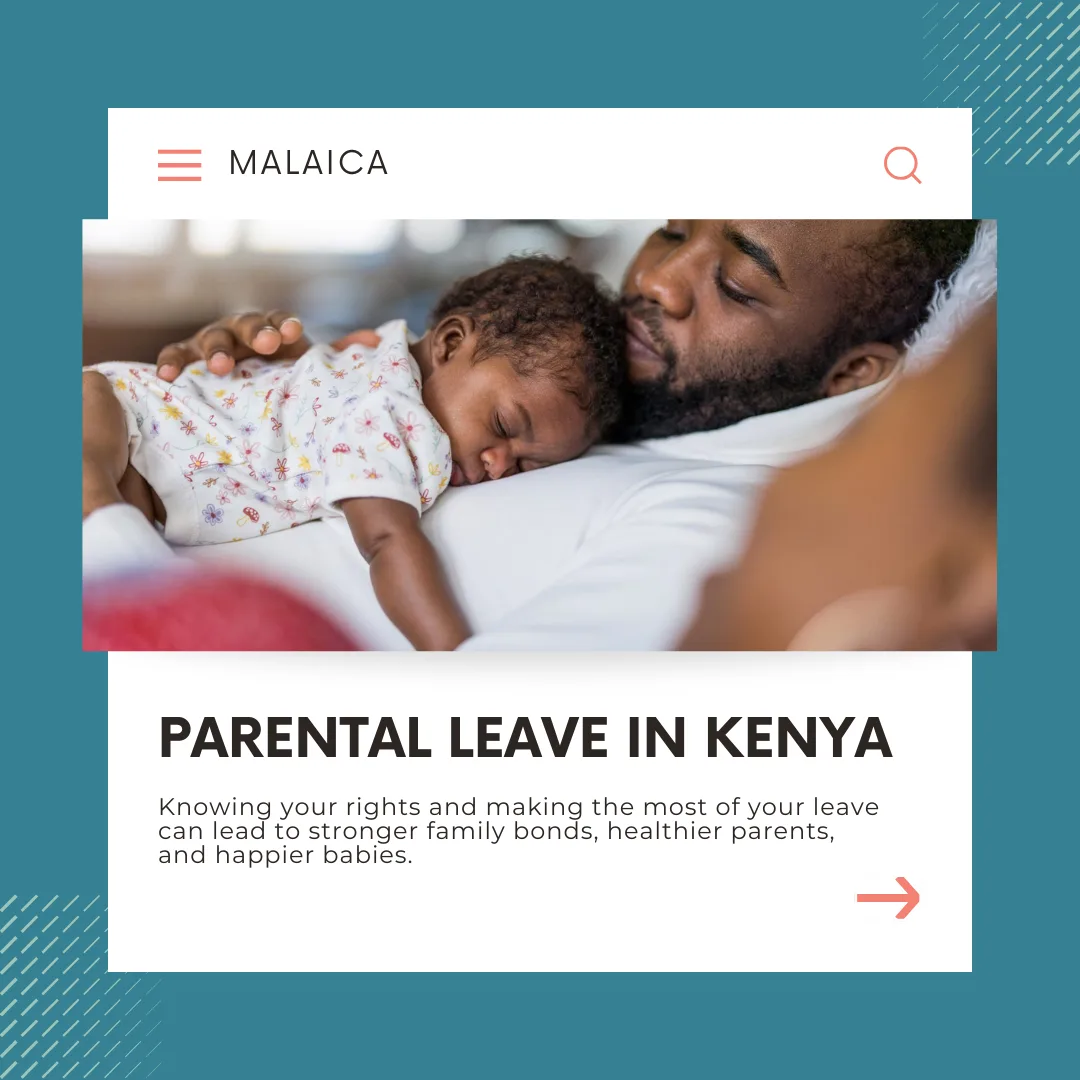
Parental leave is a topic that’s becoming increasingly important in Kenya as more families seek to balance work and family life. Whether you’re expecting your first child, adding a new member to your family, or adopting, understanding what parental leave in Kenya entails can make the transition smoother and less stressful.
Understanding Maternity Leave in Kenya
For mums, the law is fairly clear. According to the Employment Act, expectant mothers in Kenya are entitled to at least three months of maternity leave.
This time allows a new mother to recover from childbirth, bond with her baby, and adjust to the new routine. It’s paid leave for women employed in the formal sector, which can take a lot of pressure off during those first few weeks when sleep is scarce, and every diaper change feels like an Olympic event. It’s also important to note that maternity leave can be taken before or after the baby arrives, giving mothers some flexibility to plan around their health and work commitments.
Mothers applying for maternity leave must provide a written notice of the same at least seven days prior along with a medical certificate from a licensed doctor or midwife. This leave is an expectant woman’s right and an employer cannot ask you to forfeit your annual leave on account of having taken a maternity leave.
Related: Working Mom Guilt: How To Let it Go
Understanding Paternity Leave in Kenya
Dads, you’re not left out either. Paternity leave in Kenya might not be as long as maternity leave, but it’s still a valuable opportunity.
Fathers are entitled to two weeks of paid leave, which can make a significant difference in the early days of parenthood. Those two weeks can be used to support your partner, help with feeding, and simply be present for your newborn. Being there from the start isn’t just about helping with chores but also setting the tone for your relationship with your child and supports a more balanced family life.
Understanding Pre-Adoptive Leave in Kenya
The law also recognizes adopting as a means to creating a family. If you’re planning to adopt, you’re entitled to one month fully paid leave from from the date of the placement of the child for continuous care.
Adoptive parent (s) must send their employer a written notice at least 14 days prior to the placement. The notice should e accompanied by an official letter and adoption agreement from a licensed adoption agency in Kenya. Similar to the rules under maternity leave, an employer cannot force an adoptive parent to forfeit their annual leave on account of having taken a pre-adoptive leave.
Why Parental Leave Matters
One thing both mums and dads should know is that parental leave is not just a break from work, it’s an investment in your family. Babies grow incredibly fast, and those early weeks are crucial for bonding. For parents, leave provides a chance to adjust to the new normal without juggling deadlines or office politics.
Employers are increasingly recognising the importance of parental leave, and many offer additional benefits beyond what the law requires. Some workplaces even provide flexible arrangements for parents returning to work, like part-time schedules or work-from-home options.
It’s also worth noting that parental leave isn’t just about the first child. Each child can open a new chapter of leave entitlement, meaning parents can continue to benefit from these legal protections throughout their growing family.
Planning ahead is key; understand your company’s policies, communicate with your HR department, and make arrangements that allow you to maximise this important period.
Parental Leave for Better Work-Life Balance
In Kenya, parental leave is evolving as families push for better work-life balance. Knowing your rights and making the most of your leave can lead to stronger family bonds, healthier parents, and happier babies. It may not always be easy juggling diapers, feeds, and work emails, but taking the time to be present during those first months is a gift that lasts a lifetime.
At Malaica, our goal remains to empower your journey by taking care of your well being during pregnancy and postpartum periods. Consider using some of your parental leave to attend our lamaze classes which prepares you and your partner for labor and delivery.