


In Kenya, fertility remains relatively high compared to many other regions, with women having an average of about 3.4 children in their lifetime. However, this rate has been declining over recent years due to increased access to education, urbanization, and family planning services.
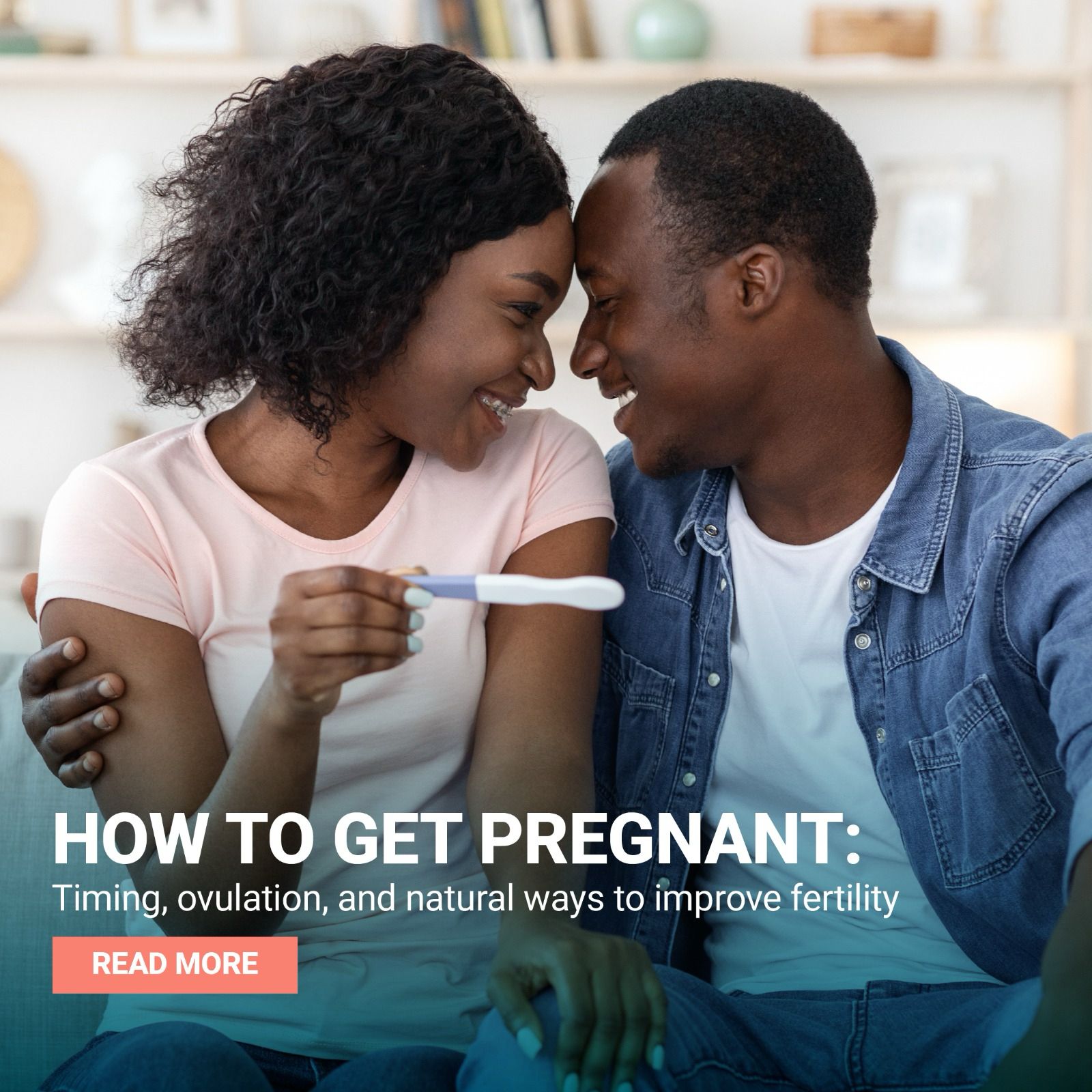
Most couples trying for a baby will conceive within half a year. However, knowledge of when the chances to conceive are the highest within a menstrual cycle will significantly increase the chances of getting pregnant within a few months. There is a small window each month when the female body is most ready for pregnancy, also called the “fertile window”.
The Fertile Window and When You Are Most Likely to Conceive
A normal menstrual cycle typically lasts between 21 and 35 days, with the first day of your period marking the beginning of a new cycle. Within this cycle, there is a window of about six days when pregnancy can occur. This includes the five days before ovulation and the day ovulation takes place.
Sperm can survive inside the female reproductive tract for up to five days, while the egg remains viable for less than 24 hours after it is released. Because of this, fertility is highest in the two days leading up to ovulation and on the day ovulation occurs. Ovulation itself usually happens between day 11 and day 21 of the cycle, depending on its length. For example, in a 28-day cycle, ovulation often occurs around day 14, while in shorter or longer cycles it may happen earlier or later.
Since cycle length and ovulation timing can vary between women and even from month to month, identifying your individual pattern is key.
How to Track Ovulation and Identify Your Fertile Days
There are several methods to estimate when ovulation occurs, and combining them often provides the most accurate results.
One of the simplest approaches when trying for a baby is tracking your cycle using a calendar or mobile app by recording the first day of your period over several months. This can help you estimate your fertile window, although it may be less reliable if your cycles are irregular. You can also use ovulation test kits (available in many pharmacies across Kenya) to help you know when your body is preparing to release an egg. Ovulation tests measure levels of luteinizing hormone (LH) in urine. A rise in LH indicates that ovulation is likely to occur within the next one to two days. In addition to testing, your body also gives natural signals.
You may notice a clear, slippery discharge around this time. This is a natural sign that your body is at its most fertile state. Some women also notice mild abdominal discomfort or an increase in sexual desire around this time.
Another method is tracking basal body temperature, which rises slightly after ovulation; although this confirms ovulation after it has happened, it can help identify patterns over time. For women who need more precise information, healthcare providers can use ultrasound and blood tests to monitor ovulation directly.
How to Increase Your Chances of Getting Pregnant Naturally
Timing intercourse correctly is one of the most effective ways to improve the chances of conception. Being intimate during the fertile window, especially in the two days before ovulation and on the day of ovulation, provides the highest likelihood of pregnancy.
For those who prefer not to track ovulation closely, being intimate every two to three days throughout the cycle is also effective, as it ensures sperm are present when ovulation occurs.
Lifestyle factors also play an important role in fertility. Maintaining a healthy body weight, eating a balanced diet rich in nutrients, getting enough sleep, and managing stress can all support reproductive health. It is also advisable to avoid smoking, limit alcohol consumption, and be cautious with products such as lubricants, which may interfere with sperm movement. While these steps cannot guarantee pregnancy, they can help create the best possible conditions for conception.
Preparing Your Body Before Trying to Conceive
Preparing for pregnancy should ideally begin several months before actively trying to conceive. This allows time to address any underlying health issues and optimize your overall well-being. Healthcare providers often recommend taking folic acid supplements to reduce the risk of certain birth defects, as well as reviewing any medications you are taking.
Managing chronic conditions such as diabetes or thyroid disorders is also important, as these can affect fertility and pregnancy outcomes. In Nairobi, many hospitals and clinics, such as the clinics at Malaica, offer preconception care services, including blood tests, infection screening, and general health assessments. These services can help identify potential issues early and ensure that both partners are in the best possible health before conception.
How Long It Typically Takes to Get Pregnant
For many couples, getting pregnant can take time. Studies show that the majority of couples conceive within six to twelve months of regular, unprotected intercourse.
On average, the chance of conceiving in any given month is only about 23-24% for couples under 35, which explains why pregnancy does not usually happen immediately. Over time, however, the likelihood increases: approximately 6 in 10 couples conceive within six months, and about 9 in couples within one year of regular, unprotected intercourse. Fertility is generally highest in the early twenties, with some studies showing that more than 8 in 10 women aged 20–24 conceive within a year, and gradually declines with age due to changes in egg quality and quantity. By age 35, the chance of conceiving per cycle decreases to around 10-15%, and drops further to below 5% after age 40.
If pregnancy does not occur after one year of trying, or after six months for women aged 35 and older, it is advisable to seek medical advice. 10-15% of couples experience infertility. Earlier evaluation is recommended if menstrual cycles are irregular, ovulation is uncertain, or there are known health concerns affecting either partner.
Common Reasons Why Pregnancy May Take Longer
There are several reasons why it may take longer to get pregnant. These include irregular ovulation, hormonal imbalances, conditions such as polycystic ovary syndrome (PCOS), and structural issues affecting the reproductive organs. Male fertility factors, such as low sperm count or reduced sperm quality, also play a role in many cases. In some cases, no clear cause is identified, which can be frustrating for couples trying to conceive. Understanding that delays are common and often manageable with the right support can help reduce anxiety during this process.
When to Seek Medical Advice
It is important to seek medical advice if you have been trying to conceive without success or if you have concerns about your reproductive health. Your gynecologist can evaluate both partners, recommend appropriate tests, and discuss possible treatment options if needed. In Nairobi, access to reproductive health services has improved significantly, and many facilities offer fertility assessments and support. Early consultation can help identify issues sooner and increase the chances of successful treatment.