



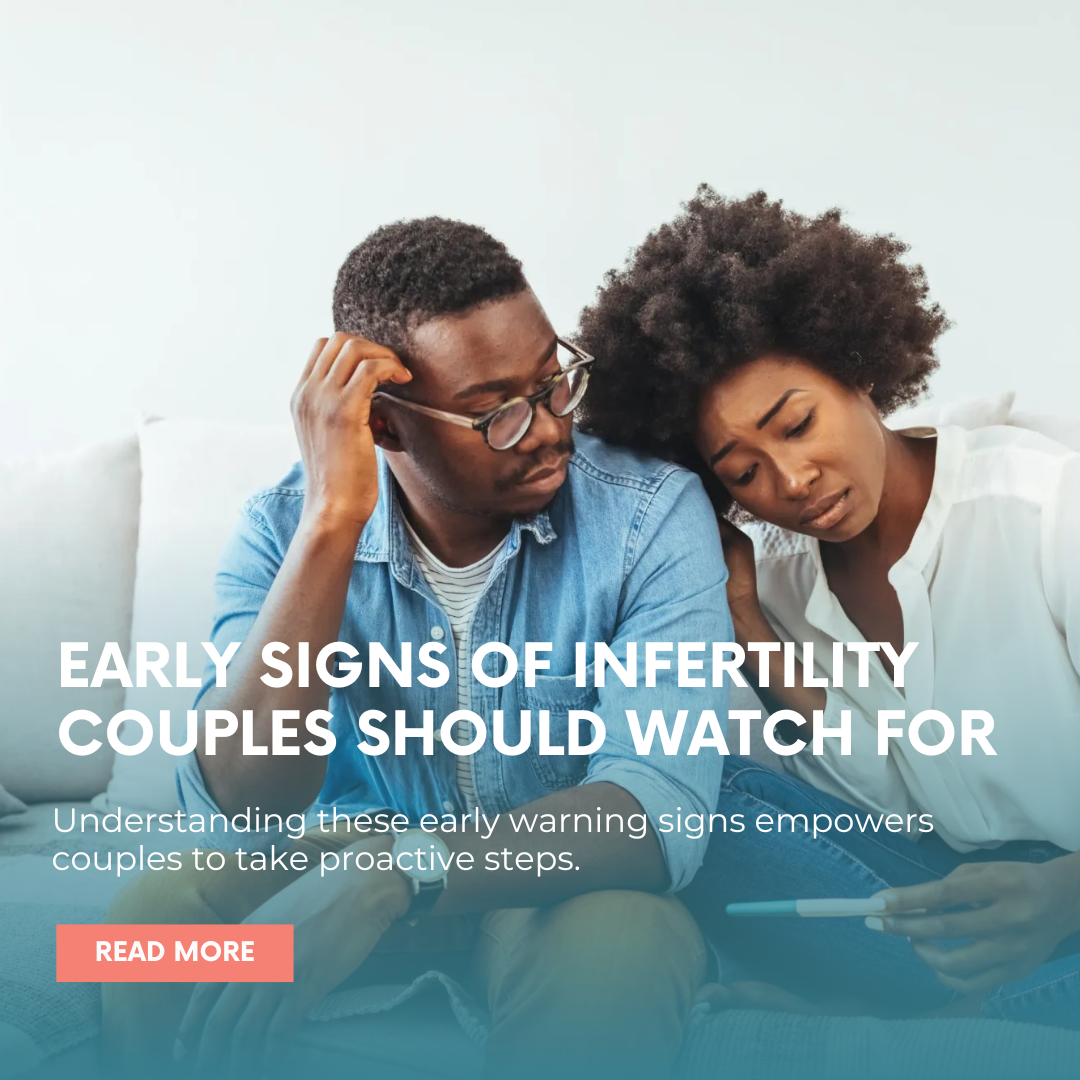
Starting a family is a dream for many couples, but sometimes, conception doesn’t happen as quickly as expected. While challenges with fertility are more common than many realise, recognising the early signs of infertility can make a significant difference in seeking timely support and treatment.
Signs of Infertility in Women
One of the first signs couples may notice are:
- Irregular menstrual cycles in women
- Skipping periods
- Cycles that are too short or too long
- Unusually heavy or painful periods could indicate hormonal imbalances or conditions like polycystic ovary syndrome (PCOS) that affect fertility.
Signs of Infertility in Men
For men, fertility issues are often less visible but equally important. Low sperm count, poor sperm motility, or hormonal imbalances can affect the ability to conceive. Signs may include:
- Changes in sexual function, such as difficulty maintaining an erection
- Noticeable decrease in sexual desire
Other Indicators of Infertility in Couples
Other signs that indicate infertility are:
- Repeated difficulty in conceiving: If you’ve been trying for a year or more without any success, it might hint at potential fertility challenges. For women over 35, this timeframe is shorter to around six months of trying. If pregnancy hasn’t occurred after these periods, it may be time to consult a fertility specialist to investigate underlying causes.
- Reproductive health concerns: Pain during intercourse, unusual discharge, or persistent pelvic pain in women, as well as testicular discomfort or swelling in men, can also signal reproductive health concerns that impact fertility.
Factors that May Contribute to Infertility
Certain factors in either of the partner can affect your ability to conceive naturally:
- Certain health conditions: Chronic illnesses such as diabetes, thyroid disorders, or sexually transmitted infections (STIs) in either of the partners can interfere with conception.
- Lifestyle factors: Including stress, excessive alcohol consumption, smoking, and being overweight or underweight, may also contribute to difficulties in getting pregnant.
Addressing these issues early with medical guidance can improve the chances of conception.
Get Started with Personalized Preconception Care
Understanding these early warning signs empowers couples to take proactive steps. Visiting a qualified gynecologist or urologist, undergoing recommended fertility tests, and maintaining a healthy lifestyle are crucial steps toward achieving the dream of parenthood.
Fertility challenges can feel isolating, but with early detection, guidance, and support, many couples successfully overcome them and start their journey to parenthood.
Malaica’s preconception care clinic is an ideal place to get personalized and evidence-based support, including identifying and addressing medical, lifestyle, and nutritional factors that can impact your fertility and future pregnancy outcomes.
Book a consultation with us today to learn how we can empower you and your partner to prepare for pregnancy with confidence and the information you require.