


When your baby starts moving, they move. One minute they’re in the kitchen, the next they’re fishing in the toilet bowl. The crawling, cruising, and walking stage feels like your baby suddenly developed teleportation powers. You blink, and they’re halfway up the stairs or have discovered how fun it is to empty the tissue roll. Welcome to the phase every parent knows too well, baby-proofing season.
The idea of how to baby-proof your home can feel overwhelming. Suddenly, your peaceful home looks like a danger zone including corners, sockets, drawers, stairs, plants, even the innocent-looking TV remote. But before you turn your living room into a bubble-wrapped fortress, let’s talk about how to make your home safe without overdoing it. Because yes, safety is key, but so is your sanity as well as your baby’s curiosity.
Step 1: Think Like a Baby
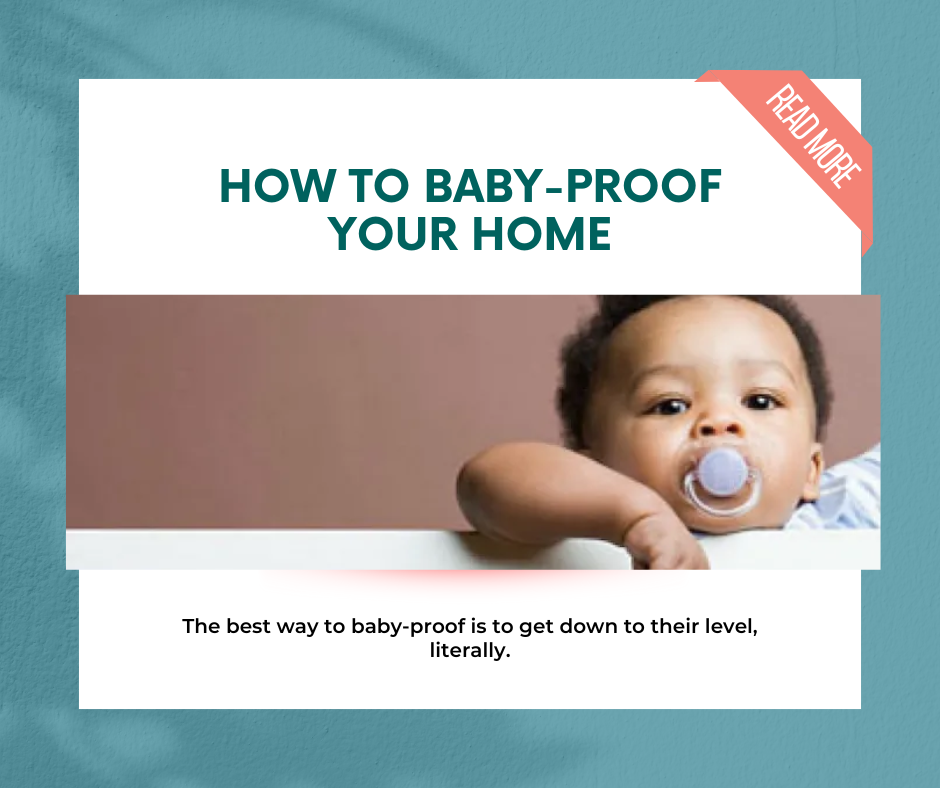
The best way to baby-proof is to get down to their level, literally. Sit or crawl on the floor and see the world from their perspective. What do you see? Hanging cords, sharp edges, open sockets, low drawers, breakable items, all the things that seem invisible from adult height suddenly stand out.
This exercise helps you identify what’s truly a risk and what’s just a parenting panic. For instance, that coffee table corner might need a soft bumper, but your bookshelf full of photo frames can probably stay, as long as it’s anchored securely. Remember, baby-proofing isn’t about wrapping your home in bubble wrap but minimizing the real hazards.
Step 2: Secure the Big Stuff
Babies love to pull up and grab things for support. Unfortunately, that means your tall furniture, TV stands, and bookshelves can turn into tipping hazards. Anchor heavy items to the wall using furniture straps or brackets. It’s a simple fix that can prevent serious accidents.
Next, secure cords from blinds, lamps, and electronics. Tuck them behind furniture or use cord winders. Loose cords are strangulation risks and also irresistible chew toys for teething babies.
And while we’re at it, move breakables and choking hazards (think small décor pieces, batteries, and coins) to higher shelves. Out of sight, out of reach, out of trouble.
Step 3: Focus on Key Danger Zones
You don’t have to baby-proof every square inch of your home. Instead, focus on the high-risk zones which are kitchen, bathroom, stairs, and nursery.
Kitchen
Install safety locks on cabinets that store cleaning supplies, sharp objects, or breakables. Keep hot pots on the back burners and turn handles inward. If you can, use stove knob covers and always unplug small appliances when not in use. Babies are curious and will tug at anything that dangles.
Bathroom
The bathroom is a slippery, tempting adventure park for babies. Always close the toilet lid (a toilet lock helps) and store medicines and cosmetics up high. Never leave your baby unattended near water, even a few inches can be dangerous.
Stairs
Install baby gates at the top and bottom of staircases. Choose hardware-mounted ones for the top — they’re sturdier and won’t give way if your little climber decides to test their strength.
Nursery
Keep cribs away from windows, cords, and shelves. Once your baby starts pulling up, lower the mattress to prevent climbing escapes. Avoid stuffed animals or pillows in the crib, they’re cute but can pose suffocation risks.
Step 4: Mind the Small Stuff
Babies are little explorers with an intense desire to taste-test the world. Keep floors free of small items that could cause choking, beads, buttons, coins, or even food crumbs. If it can fit through a toilet paper roll, it’s a choking hazard.
Cover electrical outlets with safety plugs, and if you have power strips, invest in covers or hide them behind furniture. For doors, use pinch guards to prevent little fingers from getting caught.
Step 5: Don’t Forget the Outdoors
If you have a yard or balcony, check for loose railings, sharp edges, or open spaces where small bodies could squeeze through. Keep tools, gardening chemicals, and barbecue equipment securely locked away.
Babies are fast and fearless so supervision outdoors is just as important as indoors.
Step 6: Keep It Functional and Flexible
Overdoing the baby-proofing can make your home feel like a maze of locks and barriers. You’ll spend more time trying to open a cabinet than your baby ever will. Choose baby-proofing solutions that make sense for your lifestyle.
For example, use temporary solutions, such as adhesive locks or corner guards, if you’re in a rental or plan to remove them later. And remember, as your child grows, their abilities, and the risks, change. A six-month-old crawler and a two-year-old climber need very different setups. Adjust as you go.
Step 7: Supervision Beats Everything
No gadget, lock, or gate replaces good old-fashioned supervision. The best baby-proofing tool you have is you. You or your baby’s caregiver must be present, stay alert, and teach your little one safe boundaries as they grow.
Related: Download Our Sample Nanny Contract of Employment Template
Step 8: Let Them Explore, But Safely
Babies learn through exploration. If you make your home so restricted that every drawer, shelf, or corner is off-limits, you may stifle their curiosity. Instead, designate a safe zone, a drawer full of plastic bowls, a corner with soft toys, where your baby can explore freely.
To baby-proof your home should mean to protect them without preventing growth. Let them crawl, touch, and discover within safe limits so they can learn coordination, independence, and confidence.
Final Words on How to Baby-Proof Your Home
Baby-proofing doesn’t mean bubble-wrapping your life; it means creating a home where curiosity and safety coexist. Focus on real dangers, make smart adjustments, and remember, this phase won’t last forever.
One day you’ll laugh remembering how you sprinted to rescue your little explorer from the toilet bowl or the dog’s food dish. Until then, secure what matters, breathe, and enjoy watching your baby conquer their world, safely.
And while at it, learn a few quick first aid tips for babies for they can come in handy when they get hurt before receiving medical support.