


6 Quick First Aid Tips Every Parent Should Know
by Elsa Oguya
Emergency first aid sounds scary, but for new parents in Kenya, it’s really about being prepared for those small, unexpected moments that come with raising a tiny human. Babies don’t send warning memos, they choke on mashed bananas, roll off sofas, spike fevers at midnight, or decide that electrical sockets look like toys. These quick first aid tips every parent should know help you understand what to do before panic kicks in and can make all the difference.
First Aid Tips for Common Accidents Among Babies
Every new parent experiences that moment when the baby coughs weirdly, breathes funny, or cries in a tone you’ve never heard before. Your heart jumps, your mind goes blank, and suddenly you’re Googling things at a speed Safaricom bundles never planned for. But basic first aid isn’t about being a doctor but about staying calm and knowing simple, practical steps to keep your little one safe until you get proper help.
Below is a list of first aid tips for the most common accidents among kids:
1. Chocking
Choking is one of the most common emergencies for babies and toddlers, especially when they’re transitioning to solids. Kenyan parents know the struggle, one minute your baby is happily eating Weetabix, the next minute they’re coughing and you’re wondering if this is still part of the meal plan.
If a baby under one year starts choking and can’t breathe, cough, or cry:
- Place them face-down on your forearm and give firm back blows using the heel of your hand
- If that doesn’t work, turn them over and give chest thrusts in the centre of the chest.
For older babies and toddlers, you can kneel behind them and give quick thrusts to the abdomen, but never use excessive force. The moment the object is out and they’re breathing normally, you both can cry and hug, it’s allowed.
2. Burns
Burns are another common issue for babies especially those that just started crawling or walking. From stoves, hot porridge, hot bath water, kids love touching things they shouldn’t due to their growing curiosity.
If a burn happens, the goal is to cool the area immediately with cool running water for about ten minutes. Once cooled, cover the burn with a clean cloth and seek medical care if it’s large, blistering, or on sensitive areas like the face.
Don’t apply toothpaste, oil, or raw eggs (yes, people still do this). It makes things worse and slows healing.
3. Fever
Fevers can send any parent into a spiral, especially at 2 a.m when clinics are closed and the only place open is the chemist with a queue. A fever itself is not an emergency, it’s the body’s way of fighting infection.
- If your newborn under three months has a fever, go to the hospital immediately.
- For older babies, give lots of fluids, dress them lightly, and use paracetamol if recommended for their age and weight.
- If the fever comes with difficulty breathing, seizures, or extreme drowsiness, get help right away.
4. Breathing Difficulties
Speaking of breathing, noisy breathing, wheezing, or fast breathing can be scary. Babies catch colds quickly, but if you notice the baby sucking in their ribs, flaring their nostrils, or struggling to breathe, don’t wait. Head to the nearest facility. Sometimes it’s a simple chest infection and other times, it’s an issue that needs urgent attention.
5. Falls
Falls are almost guaranteed once babies start rolling, crawling, and practicing their ninja moves. Baby-proofing your house helps but it doesn’t guarantee zero falls.
If your baby falls, check if they are alert and responsive. If they cried immediately and calmed down, chances are it’s a minor bump. Apply a cold compress to any swelling.
But if they vomit repeatedly, seem unusually sleepy, have a seizure, or you notice blood or clear fluid from the ears or nose, go to the hospital as quickly as possible.
6. Allergic Reactions
Allergic reactions are more common now as babies try new foods or when exposed to pollen.
If you notice swelling of the lips, hives, vomiting, or wheezing after feeding, stop the food and seek medical help. Severe reactions can escalate fast, so don’t wait to see if it will pass.
Keep a Well Stocked First Aid Kit at Home
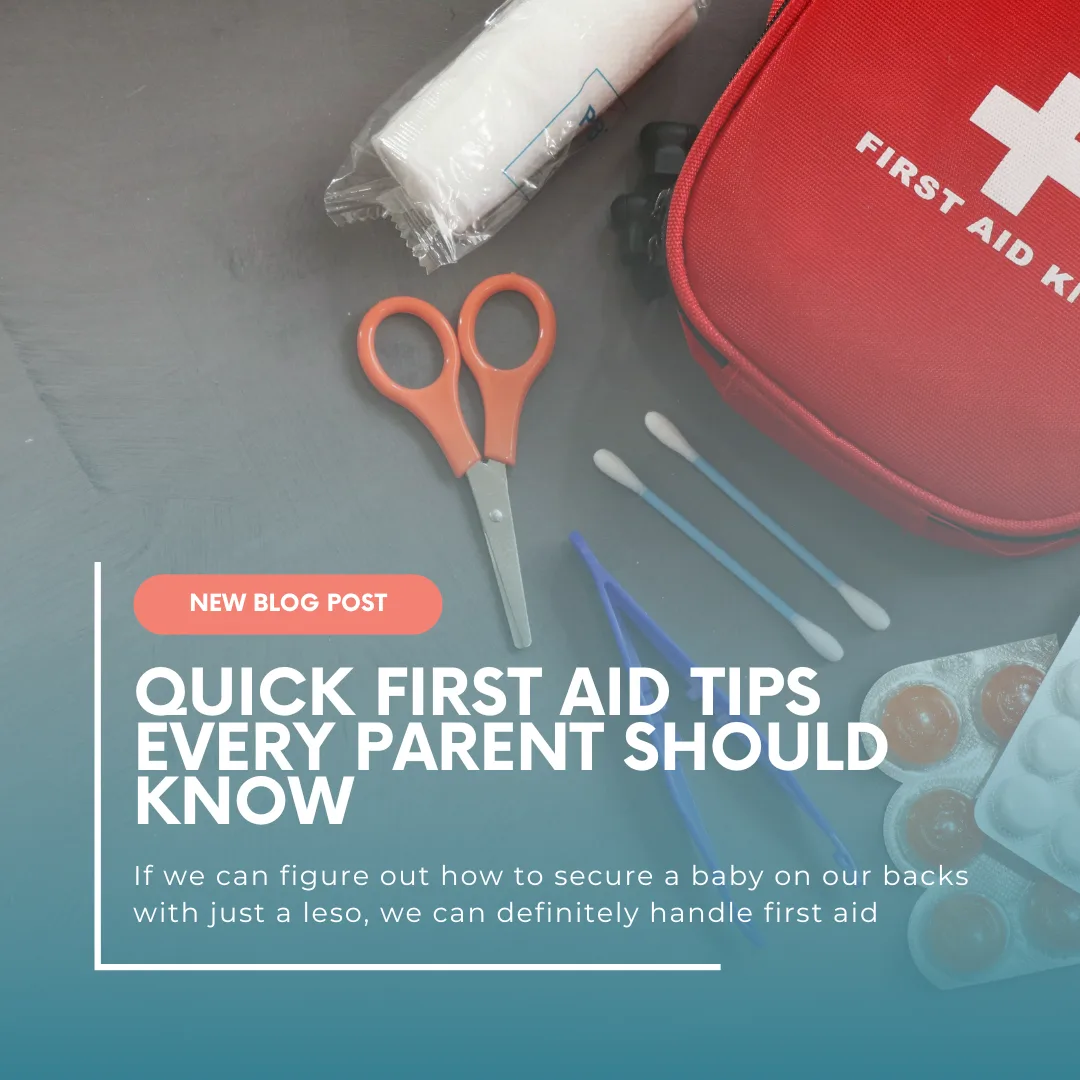
One thing every Kenyan household should have is a first aid kit. It doesn’t have to look like a hospital trolley, just the basics:
- Thermometer
- Antiseptic
- Bandages
- Sterile gauze
- Infant paracetamol
- Nasal aspirator
- Tweezers
- Gloves
- Saline solution
- A list of emergency contacts
Save your hospital’s number, your clinic, and even your neighbour who’s a nurse. This is why our postnatal and well baby care at Malaica includes a 24/7 hotline with direct access to an expert because we believe every second counts during emergencies.
Consider Taking a Basic First Aid Class
Lastly, consider taking a basic first aid class. Many hospitals, Red Cross branches, and maternity clinics offer short training for parents and they’re all worth it. You’ll walk away with confidence, clear steps, and the ability to stay steady in moments when everything feels chaotic.
Most importantly, trust your instincts and remember parents are naturally resourceful. If you can figure out how to secure a baby on your back with just a leso, you can definitely handle first aid. If something feels off, don’t wait to seek medical help. Babies change fast and early action saves lives.
Malaica’s 24/7 Nurse Hotline for Emergencies
First aid isn’t about eliminating emergencies but about being prepared so that when they come, you’re not panicking or scrambling. You’re steady, informed, and ready to protect your little one. And honestly, that’s all any parent ever wants.
Our 24/7 hotline connects you to an expert nurse, helping you understand the situations that need emergency medical attention and those that are normal discomfort. Unlike a quick Google search or an online group full of mixed advice, a nurse-midwife hotline connects you to a trained professional, getting you the actual help you need.