


We’ve recently heard of stories of expectant mothers being caught between strong opinions. If you are from a Kenyan home, you know that even your great Aunt would love to weigh in on how their new kin will make an entry into this world. Comments like “CS? Hapana, daktari anataka pesa tu!” are not unusual. But really, who should you listen to?
Pregnancy and delivery come with excitement, but they also come with a lot of noise. From neighbors, relatives, and sometimes even friends, you’ll hear endless suggestions. Some will swear by natural birth, proudly sharing stories of how they “pushed through” without pain relief. Others will tell you that a C-section is the safest option and back it up with their personal experiences. While many of these comments are well-meaning, they can easily overwhelm an expectant mother and even create unnecessary fear and confusion.
The truth is, your doctor or midwife is the only person with the full picture of your pregnancy health. They have walked with you through your antenatal check-ups, monitored your baby’s growth, checked your blood pressure, reviewed your lab results, and guided you on nutrition and wellness. When they recommend a certain mode of delivery, whether vaginal or C-section, it is based on medical facts, not superstition, not pressure, and certainly not hearsay.
Doctors and midwives are trained to see what the rest of us cannot. A baby that looks fine to your relatives might actually be in distress. A mother who seems healthy may have underlying complications like high blood pressure, gestational diabetes, or a narrow pelvis that make vaginal delivery unsafe. Medical professionals are trained to detect these red flags early and act accordingly. Trusting your doctor means trusting someone who is not only trained but also accountable for your care and that of your baby. They know the risks, the options, and the safest path forward.
Unfortunately, too many mothers have faced complications simply because they gave in to pressure. There are countless stories of women who refused a medically recommended C-section because relatives said it was unnecessary. Others delayed going to the hospital until labor had already turned dangerous. Some tried to “tough it out” at home because they were told hospitals “rush women to theatre.” In these moments, the voices that once seemed convincing vanish, leaving doctors to perform miracles under extreme pressure. Sadly, not every story ends well.
Kenyan culture, like many African cultures, thrives on community. Family support during pregnancy is invaluable. Your mother, aunties, cousins, and friends all want to bring love, encouragement, and often practical help. They remind you to eat managu, rub your swollen feet, or check in with you when you seem tired. But as important as this emotional and cultural support is, their role should remain supportive, not authoritative. Their advice, though rooted in experience, cannot replace medical expertise. Respectfully thank them for their input, but when it comes to the delivery room, let your doctor’s voice carry the final word.
It’s also important to remember that every pregnancy is unique. What worked for your neighbor’s sister, or your cousin may not work for you. A woman who successfully delivered four children vaginally might not understand why your doctor insists on a C-section for your first. Another who had an emergency C-section may insist that it’s the only safe way to deliver, forgetting that your pregnancy is not hers. The safest delivery is not about personal preference or cultural pride, it is the one that gives both mother and baby the best chance at health, and only your doctor can determine that.
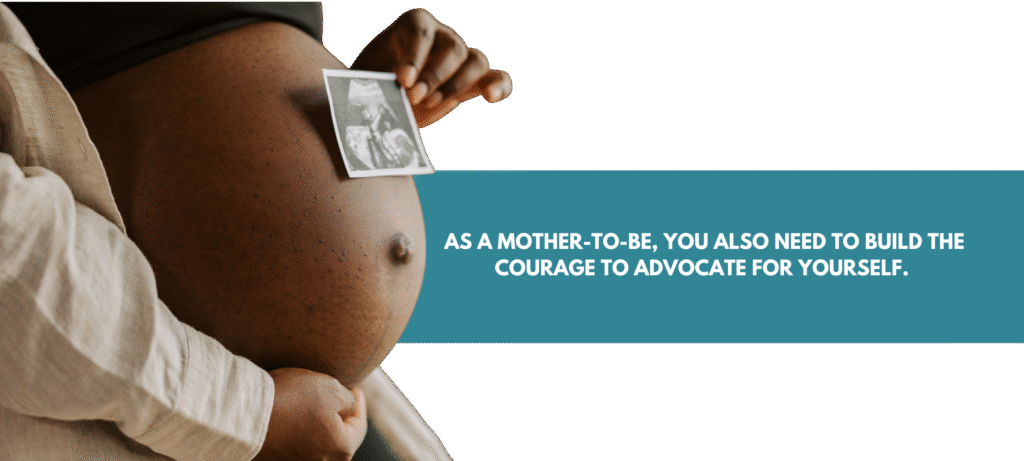
When relatives or friends begin offering strong opinions, it is perfectly fine to say, “Thank you, I’ll discuss it with my doctor.” This simple statement acknowledges their care while firmly putting the decision where it belongs, in the hands of your healthcare provider. Remember, your doctor is trained to back every recommendation with evidence and experience, not emotion.
Another point worth noting is that childbirth is not the time to gamble. We often hear statements like, “Wamama wa kitambo walizaa nyumbani bila shida.” Yes, many women delivered at home in the past, but many also died in silence. Maternal mortality rates were far higher then, precisely because medical help was not always accessible or trusted. Today, Thanks to dedicated institutions like Malaica, we have the advantage of skilled doctors, advanced scans, safe surgical procedures, and access to emergency care. Ignoring this progress out of fear, pride, or misinformation is not bravery, it is risk-taking, and it is not worth the life of a mother or child.
Ultimately, your delivery should be centered on safety, not opinion. This is not to dismiss the value of emotional support from your community, but to remind expectant mothers that medical advice should outweigh everything else. If your doctor says a C-section is safer, believe them. If they say you can go ahead with a vaginal delivery, trust that guidance too. What matters most is not how you delivered, but that both you and your baby came out safe and healthy.
So, the next time the debate gets heated and everyone around you wants to be an “expert,” take a deep breath and remind yourself: your doctor is the only voice you should listen to during your delivery. Because at the end of the day, childbirth is not a competition, a show of strength, or a family debate. It is about life, and life deserves the very best care.