



By now, you’ve probably heard all kinds of advice about breastfeeding, how long to do it, whether to introduce solids early, or when it’s “time” to stop. But the truth is, there’s no one-size-fits-all answer. Deciding when to wean is a deeply personal journey that blends societal expectations, medical guidance, and your own emotional readiness.
Factors on When to Stop Breastfeeding
In Kenya, breastfeeding is often celebrated, and mothers are encouraged to continue for at least the first two years. Health experts highlight the benefits of breast milk including:
- Strengthening a baby’s immunity
- Supporting brain development
- Providing comfort and bonding
Yet, many mothers face pressure, both subtle and overt, to either keep going or stop sooner. Social media, family advice, and cultural norms can all weigh heavily on a mother’s decision, sometimes making the process more stressful than it needs to be.
1. The Timing Is Flexible
From a medical perspective, there’s flexibility. Babies can thrive on breast milk and complementary foods once they’re around six months old, and it’s common to continue breastfeeding alongside solids well into toddlerhood if both mother and child are comfortable.
Some mothers find the physical demands of breastfeeding overwhelming, while others cherish the closeness it brings. Both experiences are valid. What matters most is tuning into your own body, your child’s needs, and your family’s lifestyle.
Download: Complementary Feeding Guide for Infants in Kenya
2. Consider Your Emotional Readiness
Emotionally, weaning can be challenging. For a baby, breastfeeding isn’t just about nutrition but also about security, bonding, and comfort. For mothers, stopping can bring feelings of sadness, guilt, or even relief.
Many find that a gradual transition works best, mixing breastfeeds with other forms of nourishment while maintaining emotional closeness through cuddles, play, and reassurance. Sharing these moments openly with your child can make the process smoother and less abrupt.
3. Seeking Support
It’s also important to acknowledge the power of support. Whether it’s a partner, a healthcare provider, or a fellow mother, having someone to listen, encourage, and normalise your feelings can make weaning a positive experience.
WhatsApp mum groups can be particularly helpful in these cases but ultimately, every mother-baby pair is unique, and what works for one family might not suit another. There’s no “right” time to stop breastfeeding but only the right time for you and your child.
Takeaway on When to Stop Breastfeeding
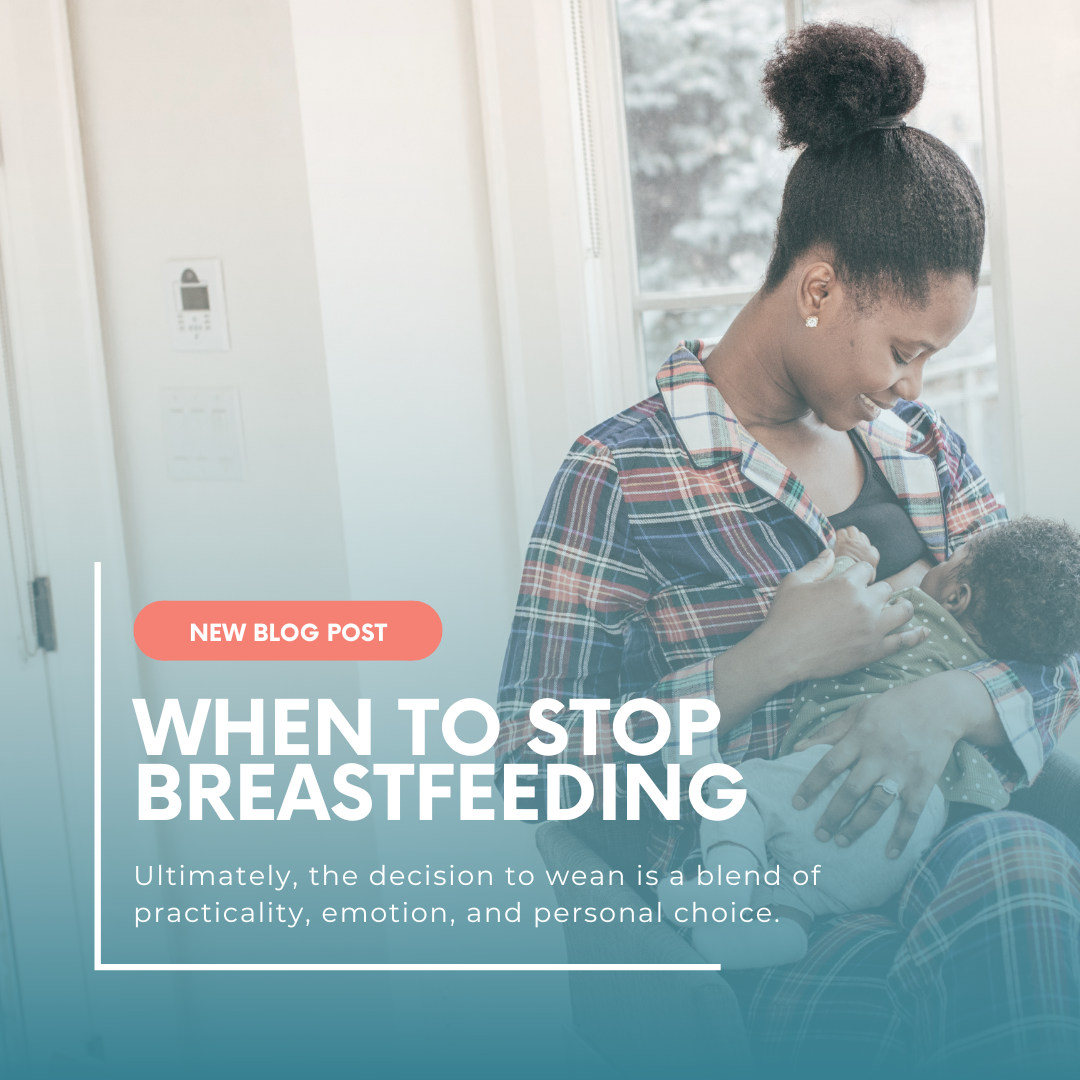
Ultimately, the decision to wean is a blend of practicality, emotion, and personal choice. Recognising that breastfeeding and weaning are not purely medical acts, but deeply human ones, can ease the pressure.
By honouring your instincts, seeking support, and embracing flexibility, the journey can become less about deadlines and more about connection, care, and growth both for you and your little one.
When it comes to breastfeeding and weaning, our goal of our pediatricians at Malaica is to educate you and answer your questions and concerns so when you decide to stop breastfeeding, you’re making an informed decision.