


Gestational diabetes sounds like one of those medical terms that instantly makes your heart skip a beat, especially when you’re expecting. But for many mums, it’s more common than you might think, and thankfully, manageable with the right care. Think of it as your body temporarily struggling to keep up with the extra demands of pregnancy, especially when it comes to regulating blood sugar. It often shows up in the second or third trimester and usually disappears after delivery, but it definitely needs attention while it’s around.
Many women don’t feel anything unusual at first. In fact, gestational diabetes can be sneaky. Some mums notice they’re thirstier than usual, constantly hungry, or running to the loo more often. Others feel unusually tired, though, to be fair, pregnancy itself is already a full-time exhaustion job. Some mums experience blurred vision or frequent infections, like UTIs or yeast infections, which can be a clue. If anything feels “off” in a way you can’t quite explain, that alone is enough reason to get checked.
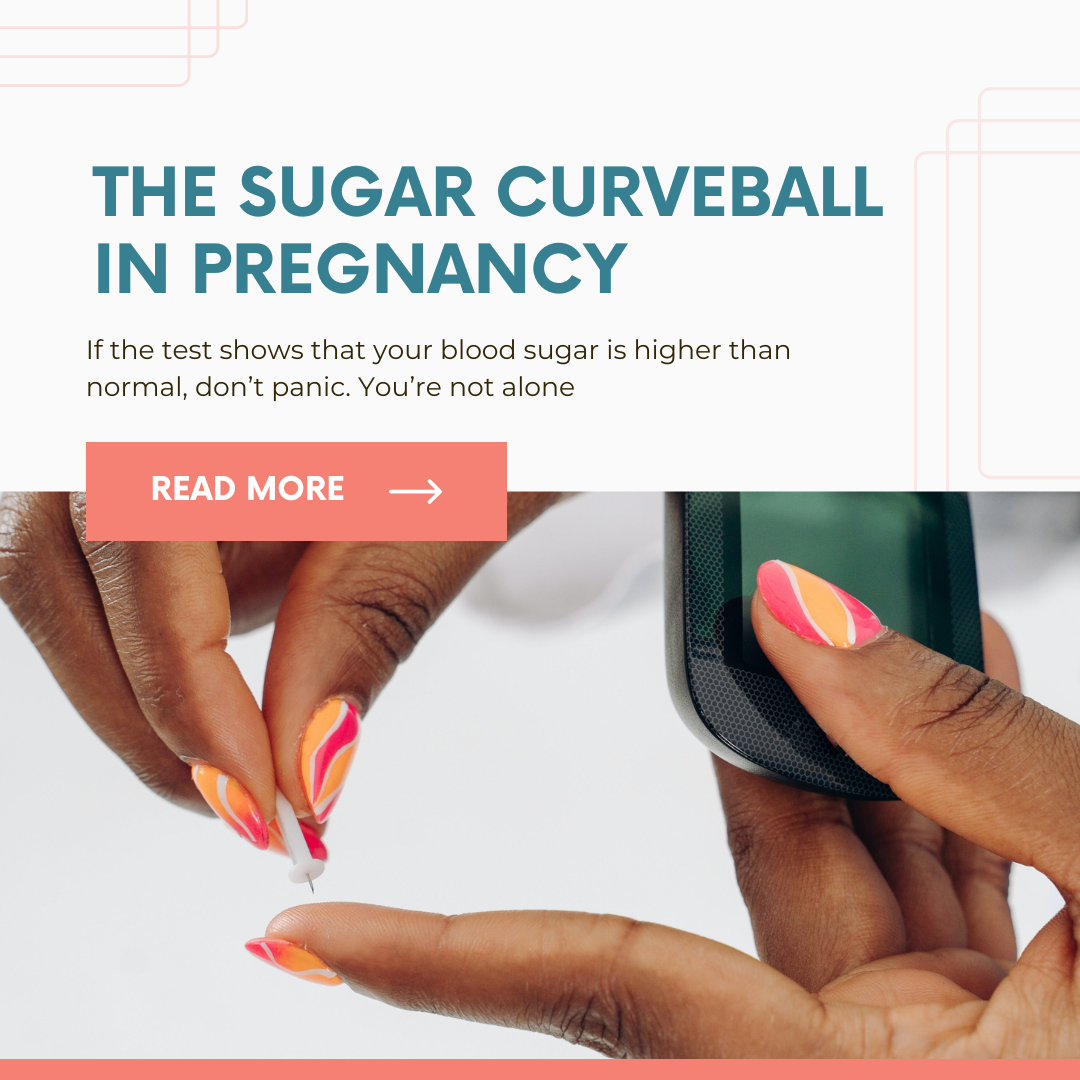
Testing for gestational diabetes is pretty straightforward in Kenya. Most healthcare providers recommend a screening around 24–28 weeks. You’ll drink a sweet glucose solution, imagine a very sugary Fanta, and then wait while your body processes it. After an hour or two, the doctor checks your blood sugar levels to see how your body is handling the sugar rush. It may not be the most glamorous moment of pregnancy, but it’s over quickly, and the results can make a huge difference for you and your baby.
If the test shows that your blood sugar is higher than normal, don’t panic. You’re not alone, and it doesn’t mean you’ve done anything wrong. It simply means your body needs a bit of support. One of the first steps is adjusting what you eat. You don’t have to give up all the foods you love, but balance becomes key. Swapping refined carbs with whole grains, adding more vegetables, spacing out meals, and avoiding foods that send your sugar levels skyrocketing make a big difference. You’ll still enjoy chapati, but maybe not five in one sitting. Your doctor will guide you.
Staying active also helps keep your blood sugar stable. You don’t need to join a gym or start jogging marathons around Uhuru Park. Even simple activities like walking for 20–30 minutes a day, stretching, or light prenatal workouts can help your body use up extra glucose. Movement is magic; your body will thank you.
Sometimes, lifestyle changes aren’t enough, and that’s okay, too. Some mums need medication or insulin during pregnancy, and Kenyan healthcare providers are well-trained to support this. What matters most is keeping your blood sugar levels within a healthy range so your baby can grow safely. You’ll have a few extra check-ups, but most mums go on to have completely normal deliveries.
The great news is that gestational diabetes almost always disappears after birth. Still, your doctor may recommend another test a few weeks postpartum just to be sure everything is back to normal. And because having it once increases your risk of developing diabetes later, it’s helpful to keep up those healthy habits even after the baby arrives.
If there’s one message to hold onto, it’s this: gestational diabetes isn’t a verdict; it’s a temporary chapter in your pregnancy story. With early testing, simple lifestyle adjustments, and the right medical guidance, you can manage it confidently and protect both your health and your baby’s. Many Kenyan mums have walked this journey and come out strong, and so will you.