

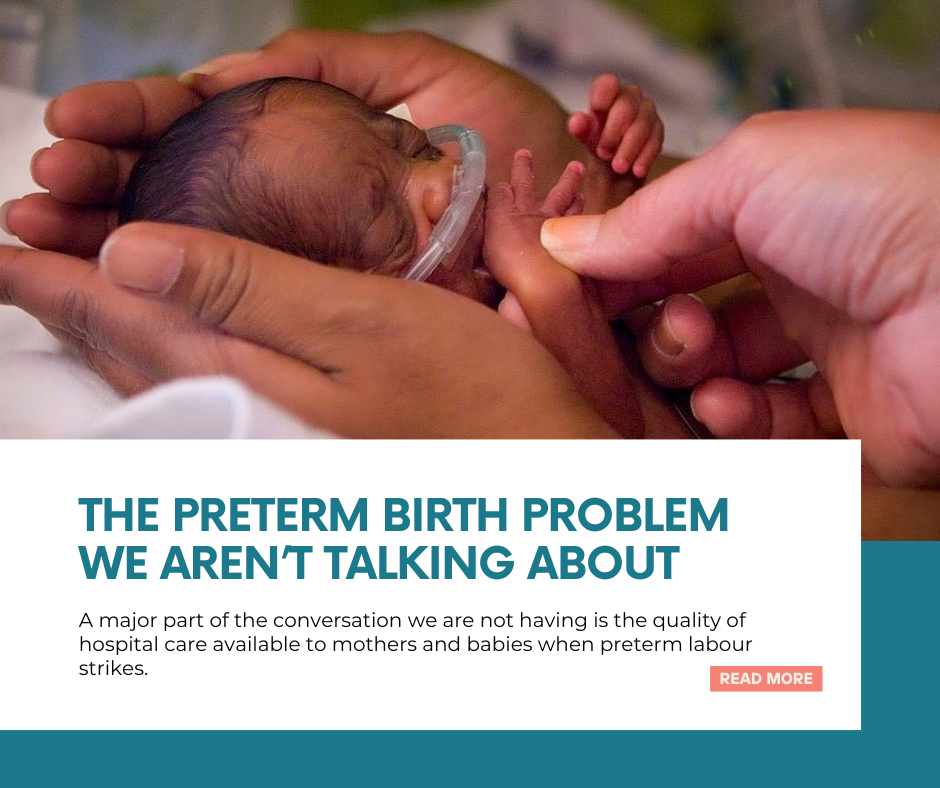
The preterm birth crisis is one of the biggest maternal and newborn health challenges of our time, yet it remains one of the least discussed. Preterm birth is when a baby is born alive before 37 completed weeks of pregnancy.
When a baby is born before 37 weeks of pregnancy, their tiny lungs, fragile organs, and underdeveloped immune systems are thrust into a world they are not ready for. Globally, an estimated 15 million babies are born preterm every year, and Kenya contributes significantly to this number, ranking among the top countries with the highest burden of preterm births. Behind these statistics are mothers who leave the hospital with more questions than answers, families caught off guard by an early labour they never expected, and a healthcare system struggling to keep up with increasing demands.
In Kenya, preterm birth is a leading cause of neonatal death, accounting for thousands of preventable losses every year. Many mothers never imagine they will go into labour early, yet risk factors such as untreated infections, high blood pressure, multiple pregnancies, teenage pregnancy, short birth spacing, and unmanaged chronic conditions quietly increase the chances. Lifestyle factors like smoking, poor nutrition, high stress levels, intimate partner violence, and heavy workloads also contribute, especially in communities where antenatal care is irregular or inaccessible. Even so, many women without any obvious risk factors still deliver early, making preterm birth a complex problem influenced by both biological and social conditions.
A major part of the conversation we are not having is the quality of hospital care available to mothers and babies when preterm labour strikes. Although progress has been made, disparities remain across counties. Some facilities lack essential equipment like CPAP machines, incubators, surfactant therapy, and trained neonatal nurses. In overcrowded hospitals, babies share incubators or warmers, greatly increasing the risk of infections. Kangaroo Mother Care units are sometimes too small to serve every family that needs them. In rural areas, delays in referral, lack of skilled birth attendants, and inconsistent management of high-risk pregnancies make the situation even more challenging. For a mother in preterm labour, the place she delivers often determines whether her baby will survive or succumb to complications like breathing difficulties, sepsis, or hypothermia.
Preventing preterm births requires more attention during antenatal care than most people realize. Simple interventions, when done consistently, can drastically lower the risk. Timely and regular ANC visits help detect infections, anaemia, gestational diabetes, hypertension, and fetal growth issues early enough for intervention. Screening and treatment of urinary tract infections and sexually transmitted infections reduce inflammation that can trigger early labour. For mothers at high risk, doctors can use medications such as progesterone, corticosteroids, and antibiotics to protect both mother and baby. Lifestyle counselling plays a major role too: reducing physical strain, improving nutrition, managing stress, and ensuring adequate rest all contribute to healthier pregnancies. Even community-level education helps women recognise warning signs like persistent cramps, unusual discharge, back pain, or vaginal bleeding, enabling them to seek care early.
The reality is that the preterm birth problem is not just a medical issue; it is a societal one. It speaks to gaps in information, inequities in healthcare access, gender-based stressors, and a lack of preparedness within the health system. Mothers often blame themselves, and families struggle emotionally and financially as they navigate long hospital stays and follow-up appointments for months or even years. Many women face stigma, especially when their babies are extremely small, as cultural myths and misinformation still influence how communities perceive preterm births.
To reduce this silent crisis, Kenya must normalize conversations about preterm labour, push for stronger antenatal care uptake, and invest more in neonatal units that meet global standards. Every mother deserves to know the signs, risks, and preventative measures that can protect her pregnancy. Every baby deserves a chance to survive and thrive, regardless of where they are born. Preterm birth is a challenge, but it is not an impossible one, only one we must finally talk about, openly, urgently, and with the seriousness it deserves.