


People in marketing often say data is king. In healthcare, especially in pregnancy and maternal care, data can be the difference between worry and reassurance, between complications and prevention, and sometimes between life and loss. When patient health data is collected and shared safely, it quietly works in the background to support better care for mothers and babies, both at an individual level and across the country.
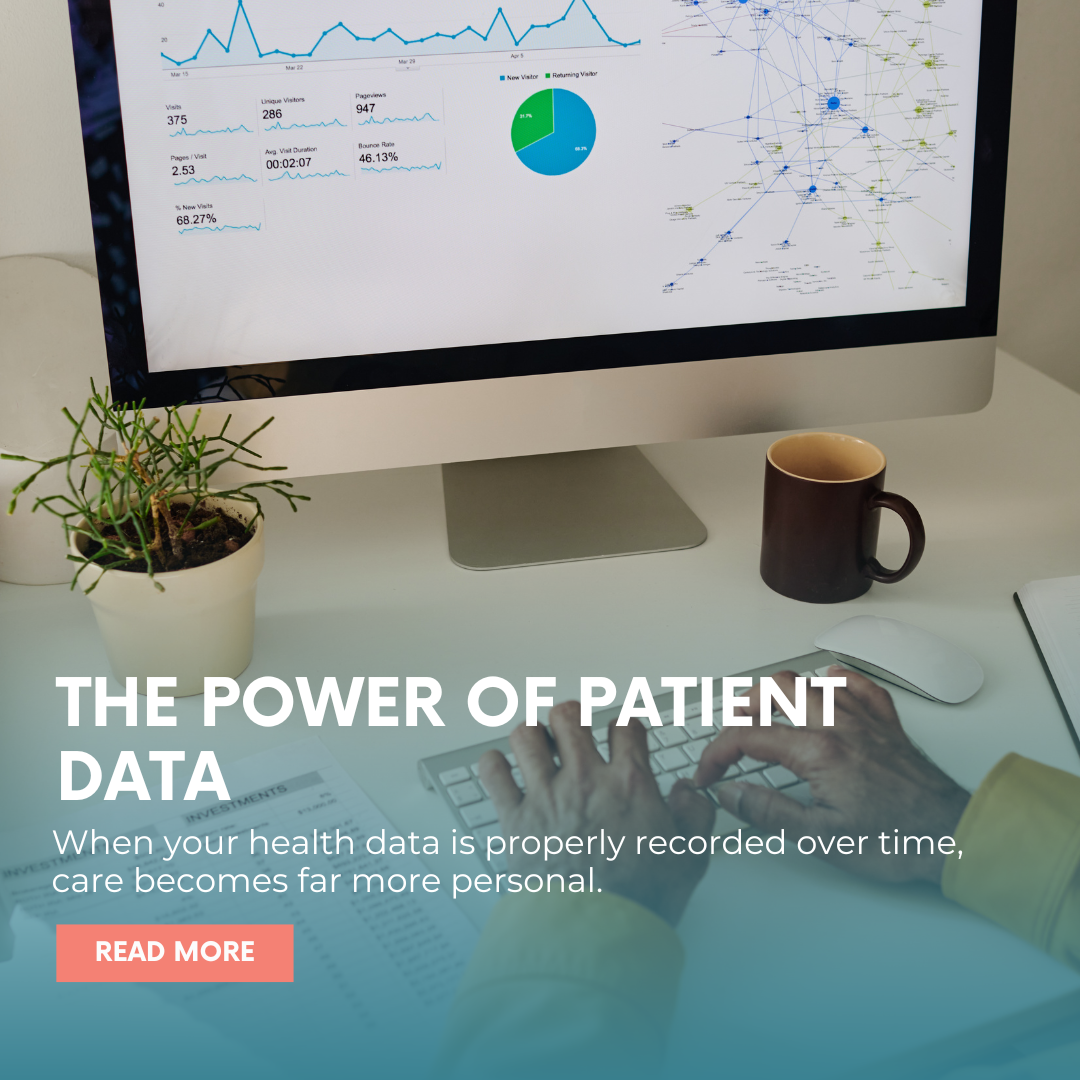
For many expectant mothers, healthcare can feel reactive. You go for a clinic visit, answer a few questions, get checked, and head home, hoping everything stays fine until the next appointment. But when your health data is properly recorded over time, care becomes far more personal. Your medical history, blood pressure trends, lab results, and even previous pregnancy experiences help your care provider understand your unique needs. This means advice and treatment are no longer one-size-fits-all, but tailored to you, your body, and your pregnancy journey.
This kind of personalised care is especially important when it comes to pregnancy complications that can develop quietly. Conditions like pre-eclampsia and eclampsia often start with small warning signs such as rising blood pressure or changes in urine results. On their own, these signs may not seem alarming. But when patient data is tracked consistently and reviewed together, patterns begin to emerge. These patterns allow healthcare providers to act early, adjust care plans, and prevent serious complications before they become emergencies.
Safely shared patient data also improves communication between different healthcare providers. A mother may visit a clinic near her home, deliver at a different facility, and receive postnatal care elsewhere. When her health information is securely available across these touchpoints, she does not have to repeat her story or worry that critical details will be missed. Her care becomes more seamless, more coordinated, and far less stressful at a time when peace of mind matters most.
Beyond individual care, patient data plays a powerful role in improving maternal health outcomes at a national level. When anonymised data is analysed, it helps health systems understand where gaps exist. It shows which regions are experiencing higher rates of complications, which services are under strain, and where resources are needed most. This information supports better planning, smarter policies, and targeted interventions that can save lives.
Importantly, none of this works without trust. Mothers need to feel confident that their personal health information is handled with care, stored securely, and only shared when necessary. Safe data practices, clear consent, and strong privacy protections are not optional. They are essential to ensuring that patient data remains a tool for good, not a source of fear.
When used responsibly, patient data empowers mothers. It supports earlier interventions, more informed decisions, and care that truly responds to real needs. It helps healthcare providers move from reacting to problems to preventing them. And at a broader level, it strengthens health systems and improves outcomes for future generations.
Data may be king in marketing, but in maternal healthcare, it is something even more important. It is a quiet partner in care, helping protect mothers, support healthy pregnancies, and build a safer future for families everywhere.