


Malaria is one of those things every pregnant woman in Kenya thinks about at some point, especially if you live or grew up in an area where mosquitoes seem to have their own community meeting every evening. Pregnancy is meant to be a time of joy, excitement, planning, and sometimes a bit of worry, but one worry that mums-to-be can actually stay ahead of is malaria. With the right habits and a little bit of awareness, you can protect yourself and your baby and enjoy your pregnancy with a lot more peace of mind.
When you’re expecting, your body is already doing so much work behind the scenes. You’re nurturing a tiny human, your hormones are shifting, your appetite is changing, and your emotions are… well, doing their own thing. All these changes, beautiful as they are, make you a little more sensitive to some illnesses, malaria included. That’s why health workers in Kenya take malaria prevention during pregnancy so seriously. It’s not to scare you; it’s to make sure you have all the tools you need to stay safe.
One of the simplest and most effective tools is a mosquito net. For many of us, sleeping under a net feels like a childhood memory we never outgrow. But during pregnancy, the net becomes even more important. Insecticide-treated nets are completely safe for you and your baby. The spray used on them doesn’t harm pregnant women; it only targets mosquitoes. Think of your net as a quiet, reliable bodyguard who works night shifts without complaining. Using it every single night, whether you’re in Kisumu, Kilifi, Kakamega, Nairobi, or visiting shags, is one of the easiest ways to keep malaria away.
Another key protector during pregnancy is something offered at your antenatal clinics: preventive malaria medication. It’s usually given from your second trimester and helps clear any malaria germs that may try to sneak into your system. Many mums worry about taking medicine while pregnant, but the good thing is that this particular medication has been used for years, is considered safe, and is provided in health facilities all over Kenya. It’s a small step with huge benefits for you and your baby.
Beyond the clinic, your home can also play a big role in keeping mosquitoes away. Mosquitoes love still water, whether it’s in a bucket, old tyres, open containers, or even that flowerpot you keep meaning to empty. Clearing or covering stagnant water around your compound helps reduce the number of mosquitoes buzzing around. It may seem like a small effort, but it goes a long way. Pair that with closing windows early in the evening, using screens where possible, and wearing long-sleeved clothes at dusk, and you’ve already created a safer environment for yourself.
Repellents are another option many pregnant women use, especially in the evenings or when travelling. There are pregnancy-safe options available in supermarkets and pharmacies across Kenya. A little dab on your arms or legs can protect you when you’re outside chatting with friends, attending a family gathering, or simply enjoying the cool evening breeze. Repellents shouldn’t replace your net or clinic medication, but they definitely add an extra layer of protection.
Even with the best prevention, sometimes you may still get a mosquito bite, it happens to everyone. What’s important is knowing how to listen to your body. If you start feeling unusually tired, feverish, chilled, or just “off,” it’s always safer to get checked at a clinic. Malaria caught early is much easier to treat, and health workers know exactly what is safe for pregnant women. Avoid taking over-the-counter malaria drugs without a test because not every malaria medicine is safe during pregnancy. A quick check at the clinic can save you from so much worry.
It also helps to involve the people around you. Partners, family members, or housemates can make malaria prevention much easier. Someone can help make sure the net is properly tucked, remind you about your clinic dates, or help drain water around the home. Pregnancy already comes with enough on your plate, fatigue, cravings, backaches, mood swings, so a little help with prevention goes a long way. And when you have support, staying consistent becomes effortless.
Our weather patterns in Kenya have also changed over the years. Rainy seasons aren’t as predictable, and mosquitoes sometimes appear when you least expect them. Because of this, it’s even more important to keep up with prevention throughout your pregnancy, not just during certain months. Many counties also run community programs, health talks, and outreach days where you can get free nets or advice. Your antenatal clinic is always one of the best places to get accurate, practical information. Never hesitate to ask questions, it’s your right to understand how to protect your baby.
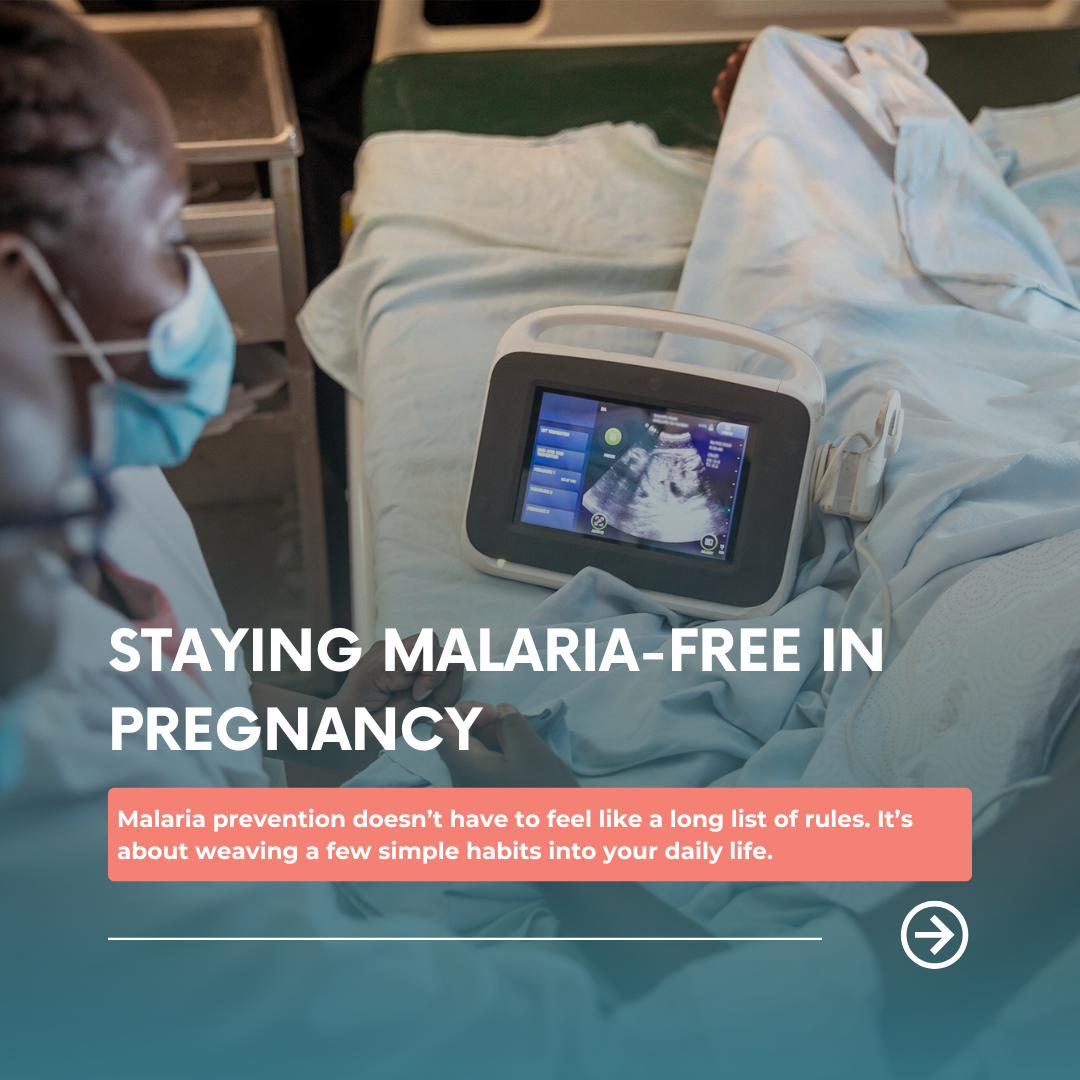
Malaria prevention doesn’t have to feel like a long list of rules. It’s really just about weaving a few simple habits into your daily life. Sleep under your treated net. Show up for your antenatal visits. Take your preventive medication as advised. Keep your space free from stagnant water. Use a safe repellent when you need to. And trust your instincts, if something doesn’t feel right, get checked early.
Every mum-to-be deserves to experience pregnancy with confidence, joy, and as little stress as possible. Taking care of yourself is part of taking care of your baby. By staying consistent with malaria prevention, you give your little one the best start to life, a healthy, protected, and safe beginning.
With these small steps, you can enjoy your pregnancy knowing you’re doing all you can to keep malaria away. And that peace of mind? It’s priceless.