


So there is this book most mamas get at the beginning of their antenatal clinic. Most have information that’s relevant to what you need through pregnancy, from what to eat, how to sleep, and what to expect at each trimester. It’s like a pregnancy guide, but when you get to the last few pages, things start getting real. Those pages about labor signs? That’s where the real action begins.
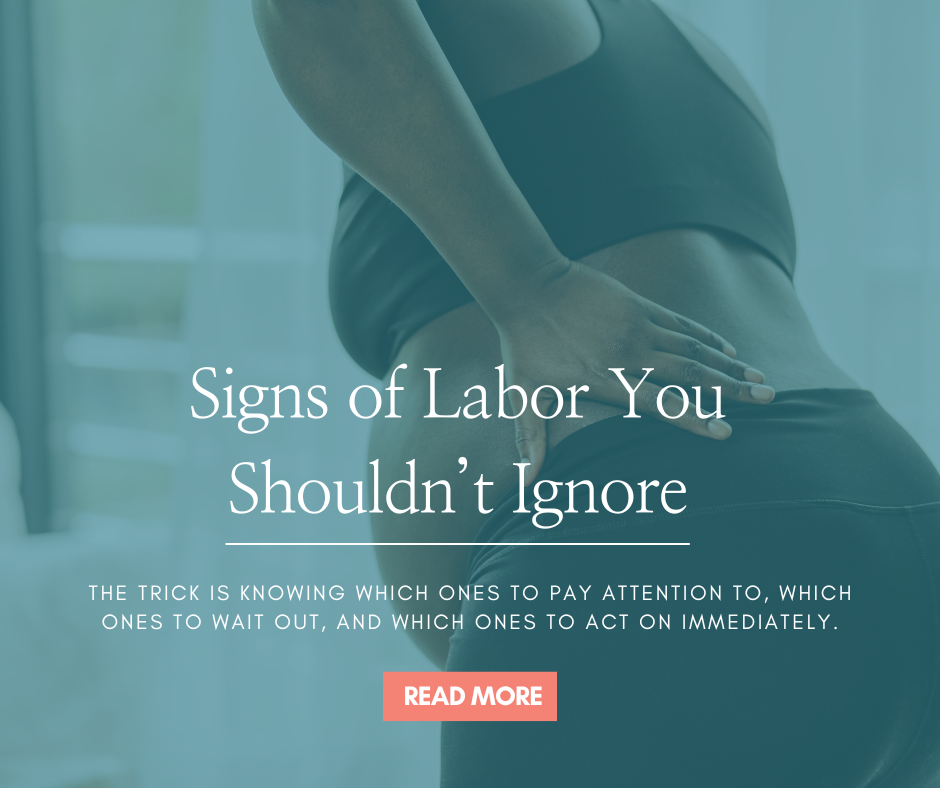
Because here’s the truth, as much as every pregnancy is unique, labor usually comes with a few unmistakable signs. The trick is knowing which ones to pay attention to, which ones to wait out, and which ones to act on immediately. So, whether you’re a first-time mama or a seasoned pro, let’s unpack the signs of labor you shouldn’t ignore.
Regular contractions that don’t go away
At some point toward the end of pregnancy, you might experience Braxton Hicks, those “practice” contractions that come and go, usually mild and irregular. But when it’s the real deal, the contractions change. They start to become stronger, longer, and more regular.
Here’s how to tell:
True labor contractions typically last between 30 to 70 seconds and come at consistent intervals.
They become closer together with time (for example, from every 10 minutes apart to every 5).
They don’t go away even when you change position, take a walk, or rest. and radiate to the back If you notice this pattern, don’t brush it off. Grab your hospital bag and make that call to your healthcare provider.
Your water breaks (Even if it’s just a trickle)
We’ve all seen it in the movies, a dramatic gush of water followed by a mad dash to the hospital. But in reality, when your water breaks, it might be a steady trickle or even a small leak.
That “water” is actually amniotic fluid, which protects your baby during pregnancy. Once it breaks, it’s a sign that labor is on the way or already starting. Sometimes it happens before contractions begin.
What to note:
The fluid should be clear and odorless.
If it’s greenish or brownish, it may indicate the baby has passed meconium (first stool), and you should go to the hospital immediately.
Even if you’re not sure it’s your water breaking, always get checked. Once the sac ruptures, there’s a risk of infection if labor doesn’t progress soon.
A bloody show or mucus plug discharge
During pregnancy, your cervix is sealed with a thick mucus plug that helps protect the baby from bacteria. As your body prepares for labor, that plug may start to come out, which is often called the “bloody show.”
It might appear as:
A thick, jelly-like discharge that’s clear, pink, or slightly blood-tinged.
A gradual release over a few days or a sudden appearance in one go.
While it’s a sign your body is gearing up, you don’t need to rush to the hospital just yet. But if it’s accompanied by bright red bleeding, call your healthcare provider immediately. Heavy bleeding isn’t normal and could indicate a complication.
Intense lower back pain
Back pain is common throughout pregnancy, but if you start to feel rhythmic, cramp-like pain in your lower back that doesn’t ease with movement or rest, it could mean labor is starting, especially if the pain comes in waves.
Sometimes, labor begins in the back, known as “back labor.” This happens when the baby is positioned in a way that causes pressure on your spine. The pain can feel dull, constant, or sharp, and may radiate around to your abdomen.
If the pain is severe or you’re unsure, it’s best to call your doctor or midwife. It could mean your contractions are starting or your baby has shifted into position for delivery.
Pelvic pressure and baby dropping
In the last few weeks of pregnancy, you might feel like your baby has “dropped” lower into your pelvis; this is called lightening. It’s a sign that your body is preparing for birth, as the baby settles into position.
However, when the pressure becomes intense, making it hard to walk, sit, or even use the bathroom comfortably, it could mean that labor is around the corner. Many women describe it as feeling like “the baby is pushing down.”
If that pressure is accompanied by contractions or lower back pain, you might be closer to meeting your baby than you think.
Diarrhea or Nausea
This one may sound surprising, but yes, your body has a way of “clearing out” before labor. Hormonal changes can cause your digestive system to loosen up, leading to diarrhea or mild nausea.
It’s your body’s natural way of making space for the baby’s descent through the birth canal. Just make sure to stay hydrated, as dehydration can make contractions feel worse.
However, if the diarrhea is excessive, persistent, or accompanied by vomiting, check in with your healthcare provider; you don’t want to confuse it with food poisoning or another illness.
A sudden burst of energy (or the opposite)
In the days leading up to labor, some women experience what’s called the “nesting instinct.” It’s an overwhelming urge to clean, organize, and prepare everything for the baby’s arrival. If you suddenly find yourself washing baby clothes at 2 a.m. or rearranging the nursery, it might be your body’s way of saying labor is near.
Others, however, experience the complete opposite, extreme fatigue that seems to come out of nowhere. Listen to your body. Rest when you need to, and take note of any other accompanying signs.
Changes in cervical dilation and effacement
You won’t always know this unless you’re checked by your doctor, but your cervix goes through two major changes before labor:
Dilation (opening)
Effacement (thinning)
Your healthcare provider might mention you’re “2 cm dilated” or “70% effaced.” This means your body is preparing for birth, though active labor typically starts when you’re around 4 to 6 cm dilated with strong contractions.
If you’re already dilating and experiencing other symptoms like regular contractions or water breaking, it’s time to make that hospital trip.
Decreased fetal movement
One sign that should never be ignored is a noticeable decrease in your baby’s movements. By now, you probably know your baby’s pattern when they kick, roll, or stretch.
If you notice a sudden drop in movement, call your healthcare provider or go to the hospital immediately. It might be nothing serious, but it’s always better to be safe and ensure your baby is doing well.
Your gut feeling
Lastly, trust your instinct. Many mamas say they “just knew” something was happening before labor officially began. Maybe it’s a mix of intuition and the body’s signals, but if you feel something isn’t right, even if it doesn’t fit perfectly into the textbook signs, listen to that inner voice and get checked.
Labor can be unpredictable. It doesn’t always follow the exact pattern your antenatal book describes, and that’s okay. What matters is paying attention to your body and responding when something feels different or urgent.
Whether it starts with a slow trickle of water, rhythmic contractions, or that unmistakable pressure in your pelvis, remember, each sign is your body’s way of saying, “It’s almost time.”
So keep that hospital bag ready, have your doctor’s number saved, and trust yourself. You’ve come this far, you’re more prepared than you think.