


Co-parenting is one of those things that sounds simple in theory but can feel like juggling flaming torches in real life, especially for modern Kenyan families navigating busy schedules, cultural expectations, and evolving family dynamics. At its core, co-parenting is about raising children together after a separation or divorce in a way that prioritises their well-being. It’s not about being best friends with your former partner; it’s about creating a stable, loving environment for your kids, even if your relationship has changed.
For modern Kenyan families, co-parenting often means finding balance. With both parents possibly working, sometimes in different cities, planning becomes key. Clear communication is essential. Whether it’s agreeing on school fees, deciding who takes the children to the doctor, or even what time they go to bed, having open and respectful conversations prevents misunderstandings. Technology helps too; WhatsApp groups, shared calendars, and timely updates make it easier to stay on the same page without constant friction.
Respect is another cornerstone of effective co-parenting. Children are sensitive to conflict, and negative words or blame can affect their emotional health. Even if past hurts linger, keeping disagreements private and presenting a united front in front of the children sends a message of security and love. It’s also important to recognise each parent’s role and value. In Kenya, where extended family involvement is common, grandparents, aunts, and uncles can play supportive roles, but clear boundaries help everyone know their place in the children’s lives.
Flexibility and compromise go hand in hand. Life is unpredictable, traffic, work demands, and unexpected events can disrupt schedules. Being willing to adapt, swap days, or adjust plans without resentment reduces stress for both the parents and the children. At the same time, it’s okay to set firm boundaries. Children thrive when they know what to expect, and parents benefit from clarity about their responsibilities.
Modern Kenyan families are also redefining gender roles. Fathers are more involved in day-to-day parenting, while mothers balance careers alongside child-rearing. Co-parenting allows both parents to share responsibilities fairly, teaching children valuable lessons about equality, teamwork, and respect.
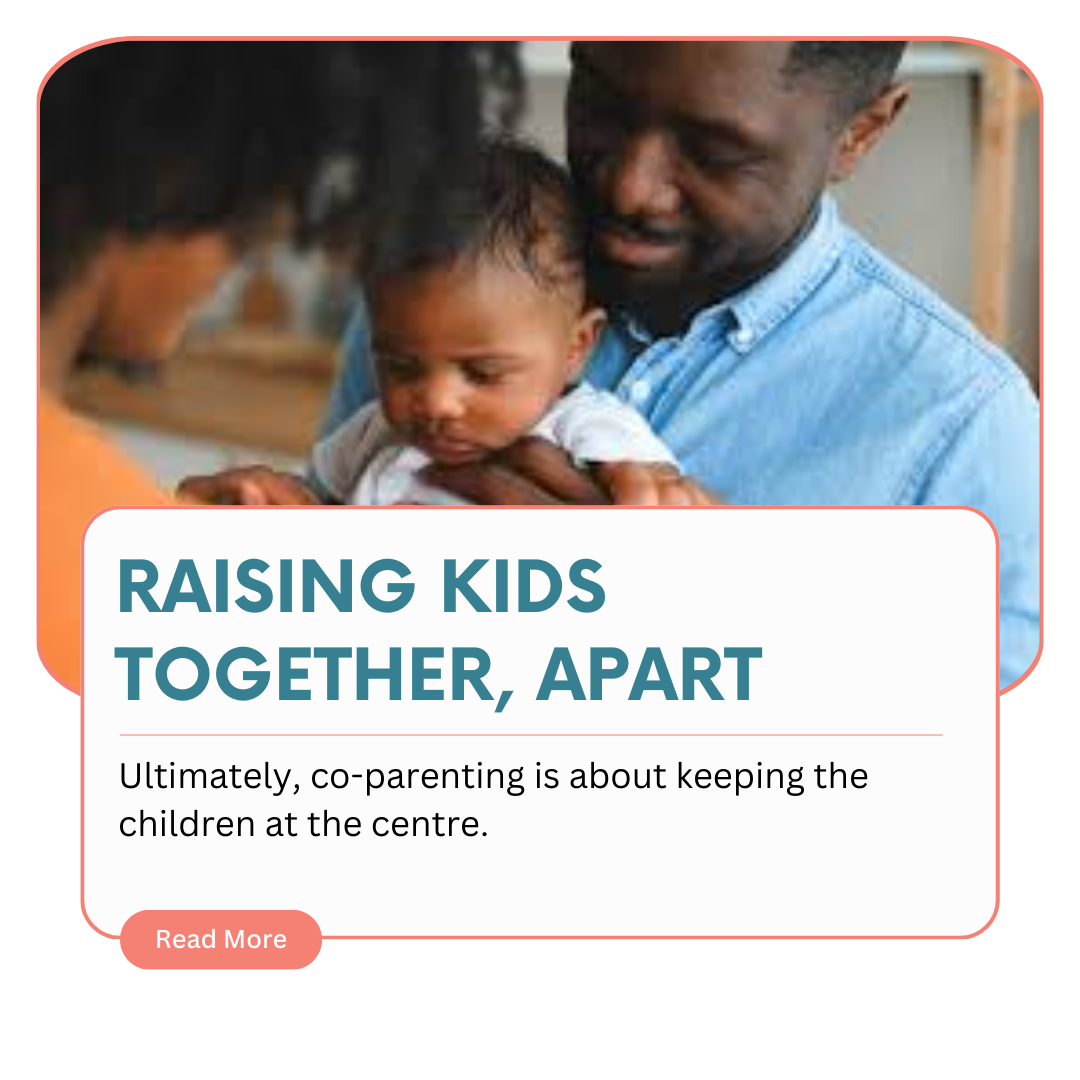
Ultimately, co-parenting is about keeping the children at the centre. Celebrating milestones together, attending school events when possible, and showing consistent care helps children feel loved and secure despite family changes. The goal is not to erase the past or pretend there are no challenges, but to ensure that every decision made is in the child’s best interest.
In a society where family structures are evolving, embracing co-parenting can be a game-changer. It requires patience, empathy, and effort, but the reward is priceless: children who grow up feeling supported, valued, and resilient, ready to thrive in a complex world. Co-parenting may not be easy, but done well, it can create a harmonious rhythm in modern Kenyan families that everyone benefits from.