


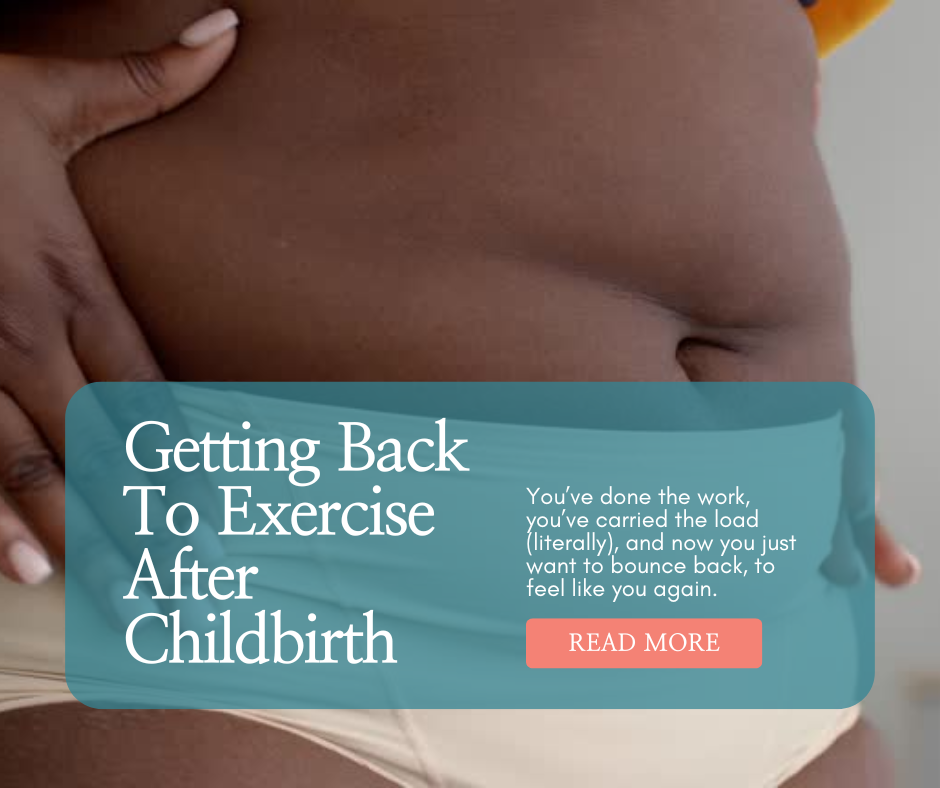
How fast can I snap back to my size, doc? When can I go back to my two-piece costume? We hear you, mama. By the fourth trimester, you’re done. You’ve done the work, you’ve carried the load (literally), and now you just want to bounce back, to feel like you again. But before you lace up those sneakers and jump into the next workout challenge, let’s talk about what “getting back” really means after childbirth.
The fourth trimester: Healing before hustle
The first few weeks after giving birth, often called the “fourth trimester”, are a time of recovery, both physical and emotional. Your body has just done something extraordinary. Whether you delivered vaginally or through a C-section, it needs time to heal.
Most doctors recommend waiting about six weeks before resuming exercise, but this is not a hard rule. Every mama’s recovery is different. Some might feel ready earlier, while others may need more time. The key? Get clearance from your healthcare provider first.
If you had a C-section, significant tearing, or complications during birth, your doctor may suggest waiting longer or modifying certain movements.
Start Small: Gentle movement counts
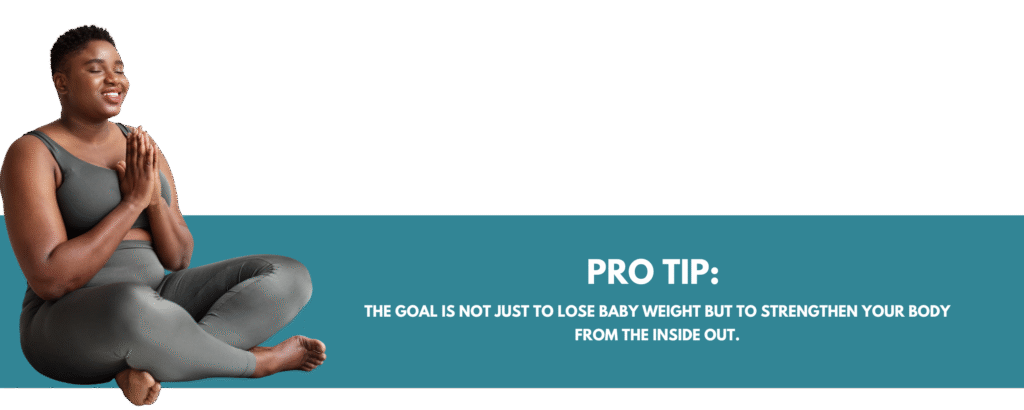
Once your doctor gives you the green light, begin with gentle movement. Think of it as reintroducing your body to activity, not punishing it for resting.
Start with:
Walking: Short, slow walks can do wonders. Begin with 10–15 minutes and gradually increase your pace and distance.
Pelvic floor exercises (Kegels): Pregnancy stretches and weakens the pelvic muscles. Strengthening them helps with bladder control and overall core stability.
Deep breathing and core activation: Breathing exercises that engage your diaphragm and lower abs help rebuild your core without straining it. Try “belly breathing”, inhale deeply, expanding your stomach, then exhale while gently drawing your belly button toward your spine.
These small steps are powerful. They remind your body what movement feels like and rebuild the foundation for more intense exercise later on.
Understanding your postpartum body
Here’s something many don’t talk about enough: your body is forever changed, and that’s okay. Hormones like relaxin, which help your joints and ligaments stretch during pregnancy, can remain in your system for several months. This means your body is still more flexible (and fragile), so jumping straight into high-impact workouts can lead to injuries.
You might also experience diastasis recti, a separation of the abdominal muscles that occurs in many women during pregnancy. If this hasn’t fully healed, crunches or planks can make it worse. Instead, focus on gentle core work like pelvic tilts, heel slides, and modified bridges.
Listen to your body. If something hurts or feels off, stop. Rest isn’t weakness; it’s recovery.
Slowly building strength
After 8–12 weeks, and if you feel stronger, you can start adding light strength training or low-impact workouts like yoga, swimming, or cycling. These help rebuild stamina, tone muscles, and improve flexibility.
Here’s a simple weekly routine to ease back into movement:
2–3 walks per week (20–30 minutes)
2 short strength sessions focusing on arms, legs, and core (using body weight or light resistance bands)
1 stretch or yoga session for mobility and relaxation
Remember, your goal is progress, not perfection. Some days your energy will be up; other days, the baby won’t nap long enough for you to stretch, let alone exercise. And that’s perfectly fine.
Fuel, Hydrate, and Rest
Exercise alone isn’t the whole picture. Your body still needs extra nutrients, hydration, and rest, especially if you’re breastfeeding. Eat balanced meals with proteins, whole grains, fruits, and vegetables to fuel recovery and movement.
Hydration helps your energy levels and milk production. Keep a water bottle nearby always. And perhaps the hardest one, sleep. We know, newborn life and sleep don’t go hand in hand. But rest where you can, when you can. Even short naps make a difference.
The mental game: Be kind to yourself
Getting back into exercise after childbirth isn’t just physical, it’s emotional. Society puts a lot of pressure on mothers to “bounce back,” as if regaining your pre-pregnancy body is a measure of success. But the truth is, you’ve already achieved something extraordinary.
Your worth is not tied to your waistline or how fast you return to your pre-baby jeans. Exercise should be a celebration of your body, not a punishment. Move because it feels good. Move because it clears your mind. Move because it helps you reconnect with yourself in this new chapter.
When to pause and seek help
While some discomfort is normal as your body readjusts, certain symptoms mean you should stop exercising and see your doctor:
Pain in your abdomen or pelvic area
Heavy bleeding or discharge
Dizziness or faintness
Sharp pain around your incision (if you had a C-section)
Also, if you feel overwhelmed, anxious, or depressed, reach out. Postpartum depression and anxiety are real and common. Talking to a healthcare provider or joining a support group can make a huge difference.
Mama, remember: getting back to exercise after childbirth is not a race, it’s a reconnection. A slow, steady, beautiful rediscovery of strength, energy, and confidence.
Take it one walk, one stretch, one deep breath at a time. The goal isn’t just to “snap back” but to step forward, stronger, wiser, and proud of the body that brought life into this world.
You’ll get there. And when you do, that two-piece costume? It’ll fit better than ever, because you’ll be wearing it with power, not pressure.