


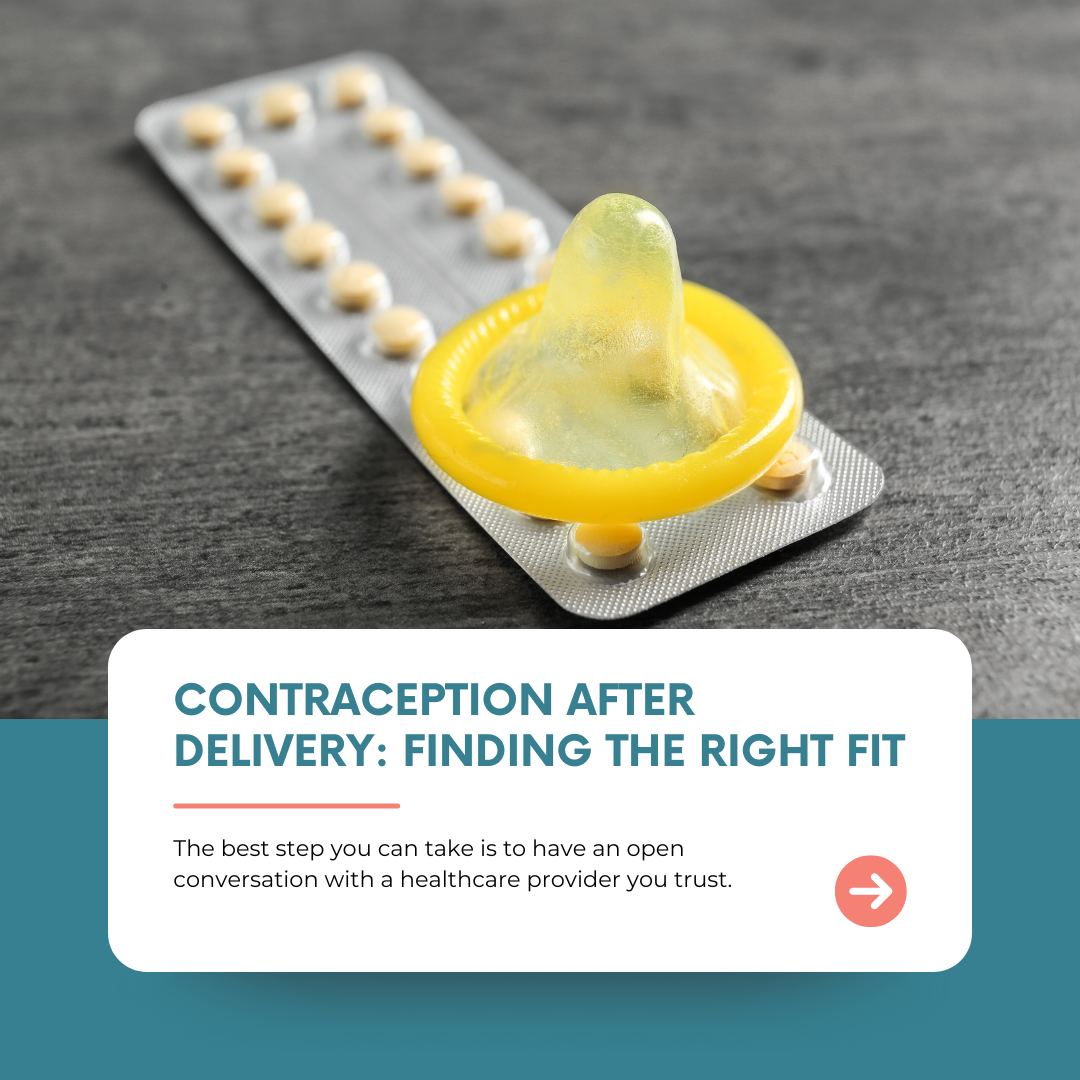
Contraception after delivery is one of those topics many mothers think about quietly, often in the middle of night feeds or during a hurried clinic visit. You may feel grateful for your new baby and at the same time, wonder how soon you could get pregnant again, whether your body is ready, and which family planning method will actually fit your life. The truth is, there is no one “best” option; there is only what works best for you.
After giving birth, your body needs time to heal. Spacing pregnancies is not just about planning your family; it is also about protecting your health and giving your baby the best start. Many healthcare providers in Kenya recommend waiting at least two years before the next pregnancy, especially after a C-section. This is where postpartum contraception becomes empowering rather than intimidating.
One of the most common misconceptions is that breastfeeding alone is enough to prevent pregnancy. While exclusive breastfeeding can delay the return of your periods, it is not a guarantee. Ovulation can happen before your first period, which means you could become pregnant without warning. That surprise is not always a happy one, especially when your body is still recovering.
Implants are a popular choice for many mothers, and for good reason. They are small, flexible rods placed under the skin of your arm and can protect you from pregnancy for three to five years. Once inserted, you don’t have to remember anything daily or monthly, which is a huge relief for a new mother juggling feeds, naps, and household demands. Implants are safe for breastfeeding and do not affect milk production. They suit mothers who want long-term protection but still like the idea of reversing the method when they are ready for another baby.
The IUCD, also known as the coil, is another long-term option that works quietly in the background. It is placed in the uterus by a trained provider and can last anywhere from five to ten years, depending on the type. Many breastfeeding mothers choose the non-hormonal copper IUCD because it does not interfere with breast milk at all. It is a good option if you prefer to avoid hormones or want something that lasts longer without needing regular clinic visits. For mothers with busy schedules or those living far from health facilities, this convenience can make a big difference.
Injectables are well known across Kenya and are often the first method women hear about. Given once every three months, they offer privacy and simplicity. You don’t need a device in your body, and you only need to remember four clinic visits a year. Injectables are safe during breastfeeding and are suitable for mothers who are not ready to commit to a long-term method. However, they do require discipline with appointments, and for some women, fertility may take a bit longer to return after stopping.
Lifestyle plays a bigger role in choosing contraception than many people realise. A mother who is always on the move, managing work, family, and childcare, may prefer a “set and forget” option like an implant or IUCD. Someone who wants more control or is unsure about long-term planning may feel more comfortable with injectables. Your comfort, routine, and even how easily you can access a clinic should matter in this decision.
Side effects are another concern that often causes fear. Changes in periods, spotting, or temporary discomfort can happen with most modern methods. What is important is knowing what to expect and feeling safe enough to return to your provider if something does not feel right. Family planning should never feel like punishment or suffering; it should feel supportive.
For the mother, contraception after delivery is not just a medical choice it is a personal one shaped by culture, family expectations, faith, finances, and future dreams. Whether you are breastfeeding exclusively, mixing feeding, or planning to return to work soon, there is a method that can fit into your life without taking away your peace of mind.
The best step you can take is to have an open conversation with a healthcare provider you trust. Ask questions. Share your concerns. Talk about breastfeeding, your birth experience, and your plans. When you are informed and supported, family planning stops being something you fear and becomes something you own.
Choosing contraception after delivery is about giving yourself space to heal, to nurture your baby, and to decide when and if you are ready to grow your family again. And that choice, made with the right information, is a powerful one.