


Childcare in Kenya has changed a lot over the years, and if you’re a mum trying to figure out the best option for your little one, you’re definitely not alone. From nannies who become part of the family to daycares that feel like mini-schools, every choice comes with its own joys, challenges, and little surprises. The good news is: there’s no perfect formula. The “best option” is simply the one that works for your child, your lifestyle, and your peace of mind.
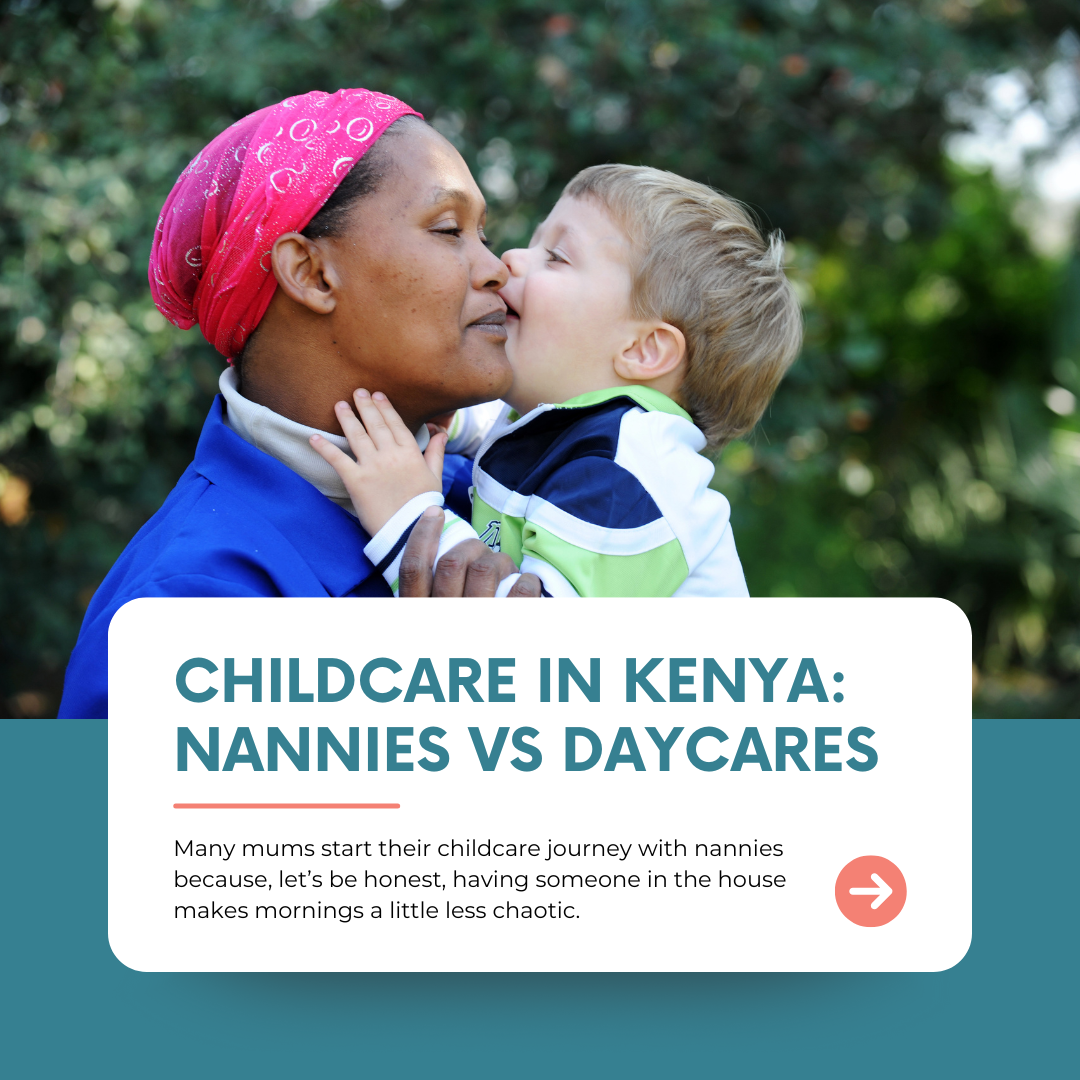
Many mums start their childcare journey with nannies because, let’s be honest, having someone in the house makes mornings a little less chaotic. A nanny can help with feeds, nap times, diaper changes, playtime, and even those unpredictable moments when your child decides today is the day for a meltdown. In Kenya, nannies often end up becoming more than employees; they become aunties, confidants, and part of your baby’s routine. The comfort your child gets from seeing the same familiar face all day can be priceless.
But hiring a nanny comes with its homework. You want someone warm, patient, and genuinely loves children. You want someone trustworthy because you’re handing over your most precious little human. Many mums rely on referrals from friends or family because they’ve already seen the nanny in action. Others use agencies that vet candidates. Whichever route you choose, taking the time to interview, observe how she interacts with your child, and lay down clear expectations can make all the difference. Things like working hours, off days, responsibilities, and pay should be discussed openly from day one. It saves everyone from misunderstandings later.
Daycares are the next big option and have become incredibly popular across Kenya, especially in urban areas like Nairobi, Mombasa, Nakuru, Kisumu, and Eldoret. They offer structure, something many children thrive on. Your baby or toddler gets a routine that includes playtime, storytelling, naps, and sometimes even early learning. For mums who want their little ones to socialise with other children, daycares are a perfect fit. Kids learn to share toys, make friends, wait their turn, and engage in activities that help them grow socially and emotionally.
The decision to send your child to daycare, however, comes with a different kind of preparation. Visiting the facility beforehand is so important. You want to see for yourself how clean the place is, how caregivers interact with the children, the toys and learning materials they use, and whether the environment feels warm and safe. You’ll also want to ask practical questions like caregiver-to-child ratios, emergency plans, feeding routines, and how they handle sick children. A great daycare should feel right when you walk in; you should feel peace, not worry. And your child? They’ll let you know, too. Some settle quickly, others cry for a week, and both reactions are normal. Children adjust at their own pace.
Of course, there’s also the cost factor. Childcare in Kenya ranges widely depending on where you live and the level of service you’re looking for. A live-in nanny might be more affordable than a high-end daycare in a major city. Meanwhile, a structured daycare might cost less than hiring a nanny with many years of experience. As you compare costs, it helps to think about the long-term, not just monthly expenses. Ask yourself which option gives you better peace of mind, better work–life balance, and better support for your child’s personality and needs.
Some mums even combine the two, having a nanny at home but still taking their child to daycare for half the day. It’s a helpful balance for mums who want their children to socialise while still having support at home. Other mums rely on relatives, usually grandmothers or aunties, especially when raising a baby as a solo parent or when finances are tight. In many Kenyan households, “childcare” is not one person; it’s the entire village stepping in whenever needed.
Whatever option you choose, one thing remains constant: mums worry. You worry whether your child is eating well, being loved, learning new things, or being kept safe. It’s completely normal. But it also helps to remember that children are incredibly adaptable. They adjust faster than we think, and they bloom wherever they feel secure and cared for. As long as your childcare arrangement is creating a safe, warm, and engaging environment, your baby will thrive.
It also helps to communicate openly with your caregiver or daycare. Share your routines, what your child likes or hates, any allergies, how you prefer discipline to be handled, and what milestones you want to keep track of. The more information you share, the smoother things run. And don’t forget to check in regularly. Some mums do surprise visits to daycares, others call their nannies during the day, and some rely on photos or short videos. It’s okay, you’re not overdoing it. You’re simply being a mum.
Childcare is one of the biggest decisions you’ll make in early motherhood, and the pressure can feel overwhelming. But once you find the right fit, everything becomes lighter. You get time to work, rest, breathe, and simply be yourself without feeling guilty. Your child gets a loving environment and the chance to learn and grow. And you get to enjoy motherhood with a little more peace and a lot more confidence.
So whether you choose a nanny, a daycare, a mix of both, or support from family, trust your instinct. You know your child better than anyone else. And the right childcare choice is the one that leaves both you and your little one feeling safe, supported, and happy.