



Addressing the Postnatal Care Gap in Kenya
by Elsa Oguya
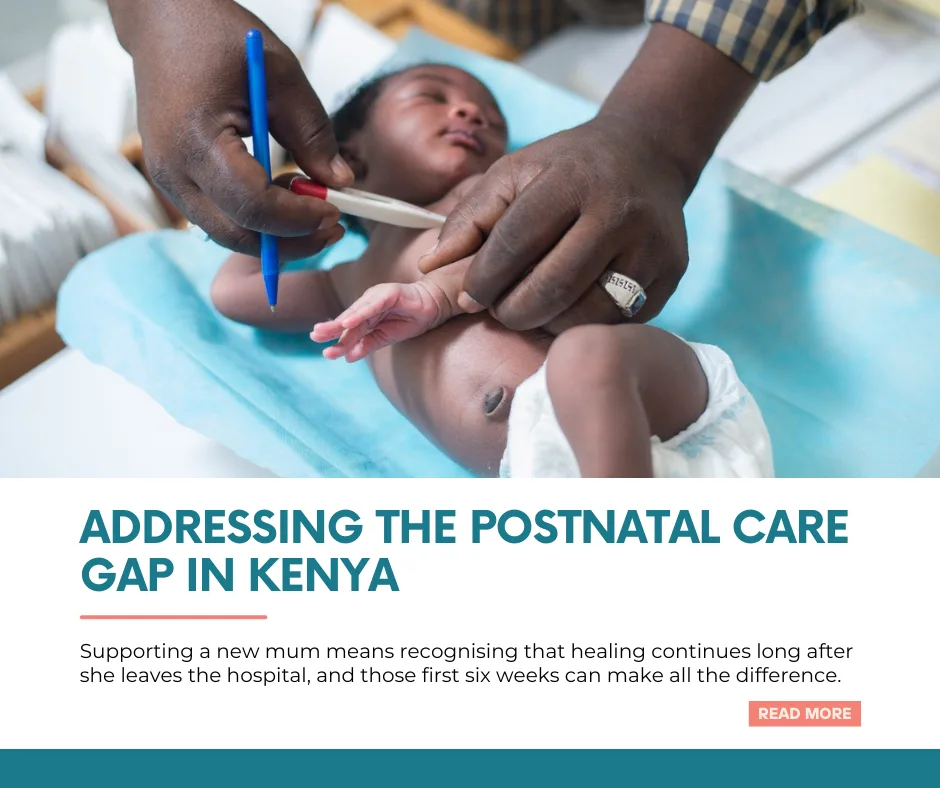
Addressing the postnatal care gap in Kenya is long overdue. For years, the spotlight has been on antenatal care and delivery, yet the weeks that follow childbirth remain some of the most underserved and misunderstood.
Many Kenyan women find themselves navigating recovery, emotions, nutrition, and newborn bonding alone or with very little structured guidance. The truth is that the fourth trimester is just as important as pregnancy itself, and giving it the attention it deserves could significantly improve maternal and newborn outcomes.
Solutions for Addressing the Postnatal Care Gap in Kenya
The maternal health solutions for improving postpartum care are often straightforward but most newborn moms lack the support and resources for proper recovery.
1. Allowing Sufficient Time for Physical Healing
Postnatal recovery starts with physical healing. During pregnancy and delivery, a mother’s body goes through intense strain whether they deliver vaginally or via caesarean section.
Soreness, bleeding, fatigue, and hormonal shifts are normal, but without support, they can feel overwhelming. Unfortunately, many mums return home to responsibilities immediately, creating pressure to “bounce back” before the body is ready.
Related: Healing After Birth: What No One Tells You
2. Attending Postnatal Clinics as Recommended
Clinically, the first six weeks after delivery are the most delicate, yet many mothers skip their postnatal checks. These visits are essential for monitoring healing, mental well-being, breastfeeding, and early detection of complications.
Mums also need to look out for danger signs and symptoms that require urgent medical attention after childbirth, such as:
- Heavy or foul-smelling bleeding
- Fever
- Severe headaches
- Chest pain
- Swelling of the legs or face
- Painful breasts
3. Maintaining Proper Nutrition
Nutrition is another major part of recovery. Simple Kenyan staples like uji, ndengu, kunde, matoke, fish, and traditional vegetables provide the iron, protein, calcium, and vitamins needed to rebuild strength and support milk production.
But without guidance, many mums eat whatever is available, not necessarily what their bodies need. Unfortunately, this not only affects the mother’s well being but also their baby’s growth at a period which is critical for development. Supporting a new mum means recognizing that healing continues long after she leaves the hospital, and those first six weeks can make all the difference.
4. Improving Maternal Mental Health and Well Being
Mental health is another area where the postnatal care gap is painfully evident. While baby blues, anxiety, and mood changes are common, very few women know how to identify when their emotions point to something more serious.
Postpartum depression still carries a heavy stigma, often dismissed as tiredness or “being overwhelmed.” Many mums smile through the pain because society tells them they should be grateful and strong. Yet mental health struggles after childbirth are real, valid, and treatable.
In Kenya, only a small fraction of health facilities consistently screen for post natal depression, and even fewer offer follow-up support. Community health workers, doulas, and digital platforms like tele-counselling could play a transformative role in bridging this mental health divide if integrated intentionally into the Kenyan maternal care system.
This is why our postnatal clinic at Malaica Maternity Hospital includes access to a virtual psychologist to ensure our mums are healing both physically and mentally.
Related: 4 Mental Health Tips for Moms to Navigate Motherhood
5. Bonding With the Baby
Baby bonding is equally important but often misunderstood. Many assume bonding happens naturally, but for some mums, especially those recovering from traumatic births, surgery, or exhaustion, it can take time.
Skin-to-skin contact, responsive feeding, talking to the baby, and spending quiet moments together all strengthen the emotional connection. Bonding is not just “soft stuff”—it deeply influences a child’s long-term emotional and brain development.
Unfortunately, some hospital routines, cultural myths, and lack of guidance can make new mums feel guilty if bonding doesn’t happen immediately. What they need instead is reassurance that bonding is a journey, not a race, and support from partners, nurses, and community networks can help make it easier.
Final Thoughts on the Postnatal Care Gap in Kenya
A significant part of addressing the postnatal care gap lies in shifting mindsets. Mothers need to know that caring for themselves is not a luxury but an essential need.
Families need to recognise that the weeks after birth require shared responsibility and emotional support. Healthcare providers must prioritise postnatal follow-up visits not as casual check-ins but as critical touchpoints. Kenya’s maternal health system has made progress, but the fourth trimester still hangs in the shadows, yet it is the period where many complications arise.
If we begin to talk about postnatal care with the same seriousness given to pregnancy and delivery, we can reduce maternal deaths, strengthen families, and set the foundation for healthier generations. Every mother deserves to be nourished, supported, and seen during her transition into parenthood. Every baby deserves a thriving mother. And Kenya, with its growing commitment to maternal health innovation, has everything it takes to close this gap, starting with awareness, compassion, and consistent care.
Post Natal Care at Malaica Maternity Hospital
Our postnatal clinic at Malaica Maternity Hospital aims to fill this postpartum care gap by providing personalized and holistic support for newborn mums from clinical checkups to community and mental health support.
Mothers get:
- Virtual psychologist to support your mental health as you get into and navigate the ups and downs of newborn motherhood.
- Expert breastfeeding support and guidance
- Health education and nutrition support from a maternal health nutritionist
- Access to Malaica Online Community to connect with other newborn mums for community, reassurance, and shared experiences.
- Access to our dedicated 24/7 Emergency Line to reach our nurse midwife for for when you need urgent support.
Curious how Malaica can support your postnatal recovery? Visit our maternity hospital at 240 General Mathenge Gardens, Westlands or call us at +254 746 610643 to learn more. You can also fill out our online booking form and we’ll call you back.