

Jaundice in newborns is something many Kenyan parents hear about, but it can still feel alarming when your tiny baby develops that yellowish tint on their skin or the whites of their eyes.
While it may look serious, in most cases, it’s a common condition that can be managed with proper care. Understanding why jaundice happens, what signs to watch for, and how it’s treated can help you feel more confident and prepared.
What Causes Jaundice in Newborns?
Jaundice occurs when there’s a buildup of bilirubin in a baby’s blood, a substance produced when the body breaks down old red blood cells. In adults and older children, the liver efficiently processes and removes bilirubin, but in newborns, especially during the first week of life, the liver is still maturing. This means bilirubin can accumulate faster than the body can handle, leading to that familiar yellowish tint.
According to researchers, jaundice is among the top 5-10% causes of newborn mortality in regions with high rates, including Africa. Certain factors can increase the likelihood of developing jaundice such as:
- Preterm births
- Low birth weight
- Baby’s blood type that differs from the mother
Even the color of the skin can sometimes make it easier to notice jaundice. Parents with darker-skinned babies might first notice it in the eyes or the soles of the feet.
Signs of Jaundice in Newborns
Jaundice may present differently depending on its severity. Typical signs of mild jaundice are:
- The first sign of jaundice is usually a yellowing of the skin which starts on the face and eyes and gradually spreads down the body.
- Unusual sleepiness
- Less feeding
- Higher levels of irritability
While mild jaundice is common and usually harmless, it’s essential to watch for more severe signs, such as:
- Deep yellow or orange colour
- Poor feeding
- High-pitched crying
- Lethargy
Treatment of Jaundice in Newborns
Mild Jaundice
In Kenya, newborns are usually monitored for jaundice during their first few days at the hospital. Health workers may use a small device called a bilirubin meter or, in some cases, take a small blood sample to measure bilirubin levels.
If the levels are not dangerously high, the baby may only need:
- Close observation at home
- Frequent feeding
- Regular follow-up as advised by the clinician
In some cases, your clinician may also recommend brief exposure to early morning sunlight. Sunlight can help the body break down bilirubin, so allowing your baby a few minutes of gentle morning sun, while keeping them warm and protected can be helpful when done under medical guidance.
Breastfeeding
Breastfeeding allows frequent feeds to help the baby pass bilirubin through stools, reducing its levels naturally.
However, sometimes a baby might have trouble latching or feeding well, which can worsen jaundice. In such cases, lactation support from a nurse or pediatrician can make a big difference. Kenyan parents can also seek guidance from community health workers, who are a great source of support and advice, especially in rural areas.
Severe Jaundice
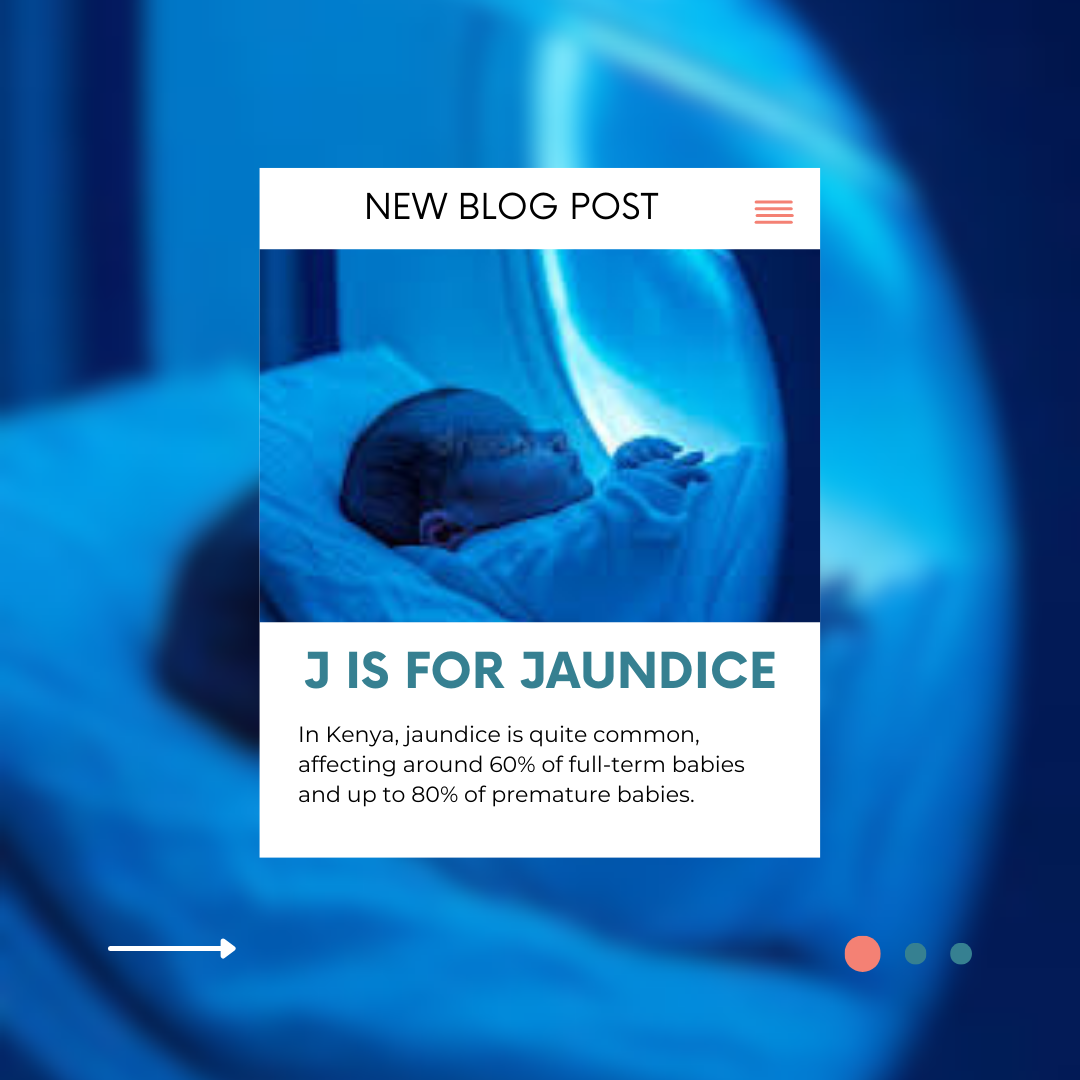
When jaundice is more severe, hospitals in Kenya provide treatment using phototherapy. This is a safe, gentle method where the baby lies under special blue lights, often in an incubator or on a bed with their eyes protected. The light helps the bilirubin in the baby’s blood break down faster.
In rare cases where bilirubin levels rise dangerously, a blood transfusion may be needed, but this is uncommon and usually reserved for the most severe situations.
If jaundice appears to worsen, spreads to the legs, or your baby becomes unusually sleepy, feeds poorly, or seems unwell, seek medical attention as soon as possible. Delayed medical care can allow bilirubin levels to rise to dangerous levels, which may affect a baby’s brain development and lead to long-term complications.
Related: 4 Reasons Why a 24/7 Nurse Midwife Hotline Matters
It’s normal for parents in Kenya to feel anxious when their newborn develops jaundice, but most cases resolve within one to two weeks. Premature babies or those with underlying conditions may take a little longer, but with proper monitoring and treatment, babies usually recover fully without complications. The key is to recognize the signs early, seek medical guidance when needed, and follow the advice of healthcare professionals.
In Kenya, awareness about newborn jaundice is improving, and more hospitals and clinics are equipped to screen and manage it effectively. The Bili Ruler, for example, has been supporting early detection and timely treatment of Jaundice in lower-level facilities in the Western Kenya region.
How Malaica Hospital Can Help
As a parent, do not panic when you notice the signs, but instead, remain vigilant. A yellow tint is often just a normal part of life’s first days for many babies, but timely attention can make all the difference in ensuring a healthy start.
Before you leave the hospital after delivery, our nurses will explain to you the signs to watch out for common diseases that affect newborns in their first days of life, including jaundice.
If you suspect your baby is developing signs of jaundice, our 24/7 emergency hotline connects you to an expert who can advise you on whether to manage it at home with guidelines or to seek medical assistance immediately.
Curious on the different ways we empower your newborn’s growth and development journey? Book a consultation to learn more.