


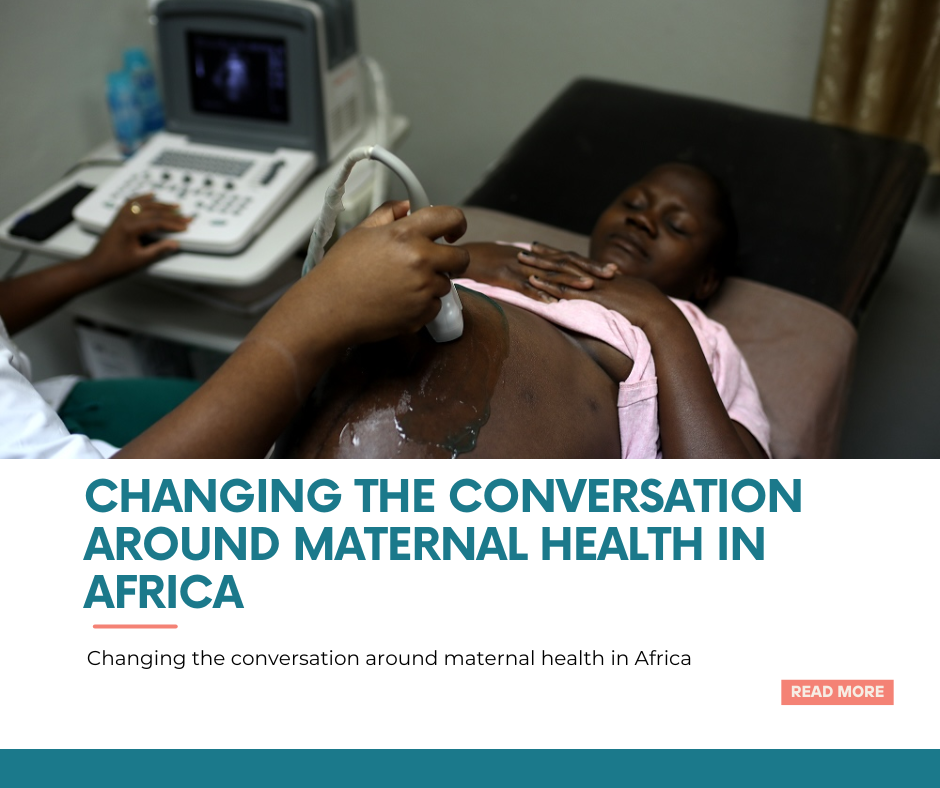
In the spirit of Pan-Africanism, there is a growing call to change the narrative around maternal health in Africa, one that moves beyond statistics of loss and focuses instead on resilience, innovation, and the power of collective action. For decades, conversations about maternal health on the continent have been dominated by grim numbers, often painting African mothers as victims rather than as women deserving of dignity, agency, and quality care. While the challenges are real and urgent, the story is incomplete. Something powerful happens when we shift the lens: we begin to see the progress, the community-led solutions, and the potential of what Africa can achieve when we centre women’s voices and experiences.
Maternal health should never be reduced to a crisis storyline. Behind every pregnancy is a woman with hopes, fears, and dreams for her family. Yet many African mothers go through pregnancy and childbirth without access to the basic care that should be every woman’s right: safe facilities, trained health workers, respectful treatment, and timely interventions. Changing the conversation does not mean ignoring the gaps; rather, it means acknowledging them while illuminating the immense possibilities around us. It means moving from “how bad things are” to “what we can build together.”
Across the continent, communities are already rewriting the script. In Kenya, Rwanda, Ghana, Nigeria, and many other nations, innovative models of care are emerging, some powered by technology, some by grassroots leadership, and others by transformed health systems. Mobile health platforms are closing information gaps, giving women access to antenatal reminders, emergency contacts, and postpartum support at the tap of a phone. Community health workers, often local women trained to support mothers, are becoming the backbone of maternal care in rural and informal settlements. Across many African countries, midwifery-led care is being recognised for its ability to reduce complications and restore dignity to childbirth. These initiatives are not charity; they are solutions forged by Africans solving African problems.
Even more transformative is the shift toward respectful maternity care. For too long, disrespect, neglect, and even abuse in maternity wards have been normalised, forcing many mothers to endure emotional trauma during one of the most vulnerable moments of their lives. Changing the conversation means unapologetically advocating for dignity. It means listening to women describe their experiences and designing health systems that treat them as partners, not patients to be managed. A healthy mother is not simply one who survives childbirth; she is one who feels safe, supported, and seen.
To change the narrative, we must also change how we talk about African mothers in global dialogues. The world often views maternal health in Africa through a deficit lens, focusing on lack rather than leadership. Yet African professionals, midwives, obstetricians, doulas, researchers, policymakers, and community advocates are reshaping the field. Their work deserves amplification. Young African innovators are developing low-cost medical devices that save newborns. Local NGOs are training birth companions to support expectant mothers. Governments are investing in maternity wings, emergency transport systems, and digital record-keeping. These are stories of empowerment, not helplessness.
But improving maternal health is not just the responsibility of hospitals or ministries. It is a societal issue. Men need to be involved, not only as partners but as advocates for better services, supportive workplaces, and more compassionate communities. Families, schools, faith-based institutions, and employers all play a role in changing how pregnancy and motherhood are viewed. When we normalise prenatal care, champion breastfeeding, support parental leave, and educate girls about their bodies long before pregnancy, we create healthier futures for entire generations.
Funding and political will remain essential. Governments must prioritise maternal health budgets, invest in training more midwives, strengthen rural clinics, and ensure medical supplies reach every corner of the country. Yet even as we push for policy change, we must continue amplifying the voices of mothers themselves. No one understands the gaps better than the woman who had to walk 10 kilometres to the nearest clinic. No one advocates more fiercely than the mother who lost a baby due to delays or preventable complications. Their stories must lead our reforms.
Changing the conversation around maternal health in Africa starts with acknowledging both the reality and the promise. Yes, challenges exist, from shortages of skilled health workers to distance, poverty, and systemic inequities. But Africa is not standing still. The continent is full of brilliance, compassion, innovation, and the strong belief that mothers deserve better.
When we shift from despair to determination, we open the door to solutions that honour African women. When we talk about maternal health not as a crisis but as a shared responsibility, we inspire more people to get involved. And when we amplify the success stories, we create momentum that can transform health systems.
In the spirit of Pan-African unity, the future of maternal health lies in collaboration, across countries, across sectors, and across generations. African mothers deserve nothing less than safe pregnancies, respectful care, and thriving newborns. Changing the conversation is the first step toward changing the reality.