



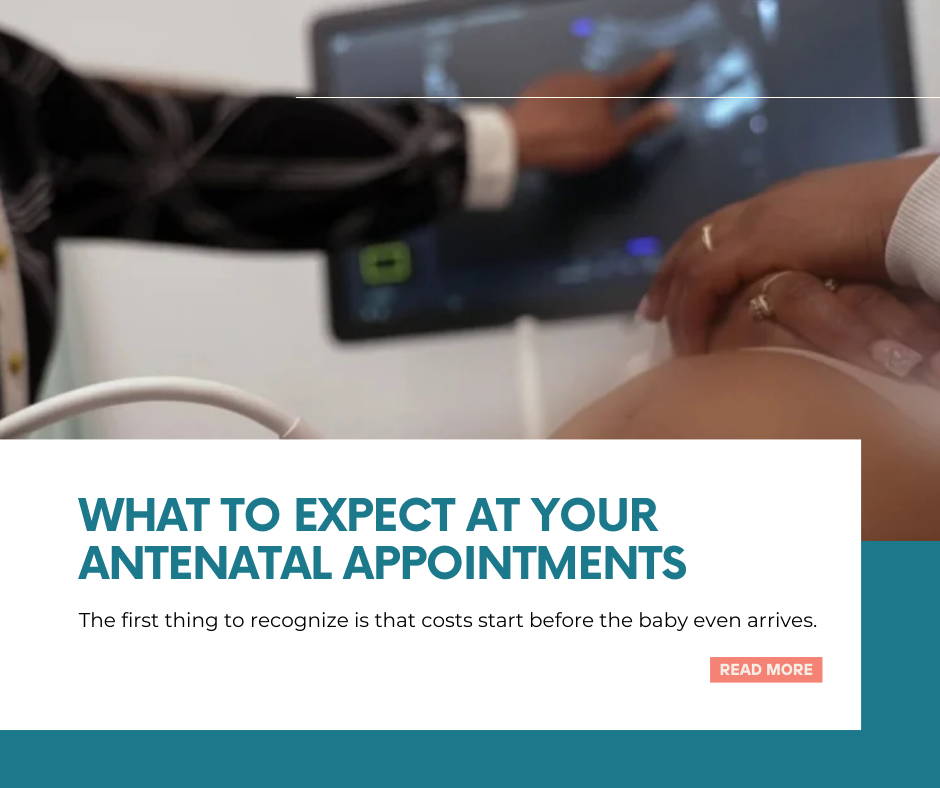
It’s always a pleasure to meet mums coming in for a quick consult, a scheduled clinic visit, a follow-up, or even just stopping by to ask that one question they’ve been worrying about all week. Antenatal appointments are like small checkpoints along your pregnancy journey, moments that help you feel prepared, supported, and reassured.
Whether it’s your first baby or your fourth, every pregnancy feels slightly different, and these visits play a big role in making sure both you and your little one are doing well. But what exactly happens during these appointments? What should you expect? And how can you make the most of them?
Malaica antenatal clinics involve a holistic approach that begins before conception to prepare your body for you and the baby. We also support you throughout pregnancy with access to 24/7 emergency care and a Whats App group with expectant moms who are far along as you are.
Antenatal Clinic Schedule in Kenya
Antenatal clinics (ANC) are all the hospital visits you make during pregnancy. The Ministry of Health in Kenya recommends eight ANC visits, with the first one around 8-12 weeks. This is followed by monthly visits in the second trimester, then every two weeks until you’re 36 weeks, and weekly clinics after that until delivery.
Ideally, the journey begins even before conception. Many women don’t realise that the best time to start care is before they become pregnant. These early “prenatal” clinics help a woman become optimised for pregnancy by addressing medical conditions, lifestyle factors, and nutritional needs ahead of time, giving both mum and baby the best possible start.
First Antenatal Clinic: 8-12 Weeks
Once you’re pregnant, your antenatal clinic quickly becomes a second home. The first visit, usually between 8 and 12 weeks, is often the longest because your provider takes time to understand your full medical picture.
Key things you can expect during this first antenatal visit:
- Health History Check: Your health provider will ask about your past pregnancies, surgeries, allergies, chronic illnesses, lifestyle habits, and family health history.
- Medical Tests: You’ll have your blood pressure checked, your weight recorded, and a urine test to screen for infection or protein. Blood tests are also taken, not simply to check iron levels, but to assess your haemoglobin, your blood group, HIV status, hepatitis, and screen for conditions like syphilis, which can be passed to the baby and may cause serious complications.
- First Ultrasound Scan: For many mums, this first visit is especially memorable because it often includes the first ultrasound to check the viability and ensure the pregnancy is well in the uterus. Seeing that tiny flicker of a heartbeat makes the journey suddenly feel real and more joyous.
- Health Education: A nurse or midwife will educate you on how to take care of your health during pregnancy including what to eat and avoid, how to stay fit, and provide recommended nutritional supplements.
Follow up Antenatal Clinics: Second Trimester
As pregnancy progresses, antenatal appointments follow a predictable rhythm: monthly visits until around 28 weeks, then every two weeks until 36 weeks, and weekly after that until delivery.
Even though the visits may feel repetitive at this point, every check serves an important purpose. Some of the screenings and tests you can expect at follow up ANC visits include:
- Blood pressure check to screen for pre-eclampsia.
- Urine analysis to test for sugar levels, protein, or signs of infection
- Your weight and fundal height, the distance from your pubic bone to the top of your uterus, to track your baby’s growth
- Monitoring the baby’s heartbeat to track fetal growth and development
If there’s any unusual signs, such as a small or large bump or slow fetal heartbeat, you may be scheduled for an extra ultrasound to ensure the baby is developing well.
Gestational Diabetes Screening
Another key part of routine antenatal care is screening for gestational diabetes. The Oral Glucose Tolerance Test (OGTT), usually done between 24 and 28 weeks, helps detect this early so that both mum and baby remain safe throughout pregnancy and delivery.
In case the test results are positive, our nutritionist will create a meal plan to manage your glucose levels. If the condition is severe, an insulin treatment may be required to regulate your sugars from getting too high or too low.
Mental and Emotional Support
Antenatal visits also give you space to talk about how you feel, physically, mentally, and emotionally. Pregnancy comes with a lot of discomfort such as fatigue, nausea, back pain, anxiety, mood shifts, and so much more. Sharing these concerns with your health provider understand how to support you better.
Malaica midwives and nurses treat every expectant mum with compassion and care and no question is too small or insignificant when it comes to pregnancy. Mention to your doctor issues such as swelling, headaches, unusual discharge, or decreased baby movements, even if you’re not sure whether they matter. Your peace of mind is important.
Anomaly Scan
Around the midpoint of your pregnancy, usually between 18 and 22 weeks, your doctor will schedule an anomaly scan. It’s often called the 20-week scan because that’s the most recommended time to be conducted. The anomaly scan checks your baby for any condition that may affect their health, growth, and development both in the uterus and after birth. Your doctor will identify this by looking at the baby’s face, kidneys, bones, brain, spine, tummy, and more organs to detect conditions such as cardiac abnormalities or cleft lip.
If the doctor finds a need for concern from the tests, Malaica refers you to a specialist for additional tests and medical advice on the same. For parents who want to know, the 20-week anomaly scan is when you can learn the baby’s gender. More importantly, the scan is a reassurance that everything is forming as it should.
Antenatal Clinics in the Third Trimester
As you move into the final stretch of pregnancy, your antenatal appointments begin to shift toward preparing you for labour and delivery.
Some of the things that will come up in your third trimester antenatal appointments are:
- Creating a birth plan
- Birthing and delivery options
- Pain relief options during labor and delivery
- Hospital expectations
- Postpartum support
- Vaccine administration, such as tetanus and flu
If you have high risk pregnancy factors such as gestational diabetes, high blood pressure, or are carrying multiples, you may have additional antenatal ultrasound scans for monitoring. Around 36 weeks, many mums are screened for Group B Strep (GBS), a routine test that ensures safe delivery planning.
Download: See a Birth Plan Template Example to Inspire Yours
Schedule an Antenatal Clinic Appointment at Malaica
Ultimately, antenatal appointments are more than medical check-ins. They are opportunities to build trust, ask questions, express concerns, and feel supported. It’s absolutely okay to show up with a list of questions about diet, exercise, sex in pregnancy, or symptoms you’re unsure about. Our antenatal clinic is a judgment-free space.
In the end, what you can expect at your antenatal appointments at Malaica is a blend of medical care, emotional support, and ongoing guidance. Our goal for ANC appointments is to leave you more informed, more confident, and better prepared for the big day. As your body stretches and your emotions shift, Malaica is committed to being your partner in your journey, reminding you every step of the way that you are not walking it alone.
Book an antenatal consultation at Malaica to learn more of what to expect in the coming months of your pregnancy journey.
Frequently Asked Questions on Antenatal Care Visits
1. When should I start my antenatal clinic?
The World Health Organization and Ministry of Health Kenya recommends starting your antenatal clinic visits as early as possible ideally from 8 weeks and no later than 12 weeks along.
2. Why are antenatal appointments important?
Antenatal appointments are critical for ensuring you and your baby’s well being throughout the pregnancy. These visits involve medical tests, ultrasound scans, health education, nutrition guidance, and supplements, all aimed at keeping your body strong to carry the pregnancy to term and supporting the baby’s growth and developmental milestones until the 9th month. Antenatal clinics also help to detect any issues that can cause pregnancy complications early on so your maternal care team can take the necessary measures on time.
3. What tests are typically conducted during antenatal visits?
Antenatal clinic tests are conducted to ensure the mother’s and baby’s wellbeing and catch any medical conditions early on. ANC tests can either screen to estimate the chance of you or your baby having a particular condition or diagnose to tell you for certain whether your baby has a condition.
1. Urine tests: Urine tests during pregnancy screen for glucose levels, preeclampsia, urinary tract infections (UTIs), and check for signs of dehydration. You’ll get a comprehensive urinalysis on your first ANC visit and routine checkups in the follow-up appointments to monitor your pregnancy’s progress.
2. Blood tests: During your first antenatal appointment, you’ll get a comprehensive blood test to screen for infections such as hepatitis, HIV, and syphilis, identify your blood group and blood count, and check your vitamin D levels. Later in the pregnancy, your doctor may recommend more blood tests to screen for genetic abnormalities and gestational diabetes
3. Physical checkups: Every ANC visit will include physical checkups to monitor you and your baby’s development such as weight and height measurement, blood pressure check, and fetal heart rate.
4. Ultrasound Scans: You’ll also receive 2-3 ultrasound scans throughout your visits and more in case of a high risk pregnancy. The first is a dating scan conducted ideally on your first ANC visit and the second is an anomaly scan to confirm normal fetal development around 20 weeks. The third is optional and conducted around 11-14 weeks to check for chromosomal and genetic abnormalities.
5. Mental health well being screening: On your first ANC visit and throughout your pregnancy, appointments may also include questionnaires to screen for common antenatal mental conditions such as depression, anxiety, and issues like domestic violence.
4. What supplements are recommended during antenatal care?
The main nutritional supplements prescribed during pregnancy are folic acid to prevent birth defects and iron for the prevention of maternal anemia. Depending on your location, overall health, and diet, your doctor may recommend additional supplements such as Vitamins A, D, and calcium.
5. What services are offered at Malaica’s antenatal clinic?
Malaica antenatal clinic offers holistic support throughout your pregnancy which goes beyond routine checkups. Besides an obstetrician’s or midwife’s consultation, you also get:
1. Access to a judgement-free WhatsApp group with expectant mums
2. Comprehensive Lamaze classes for you and your partner led by certified instructors to empower you for birth and motherhood
3. Dedicated 24/7 emergency line to reach a nurse midwife