


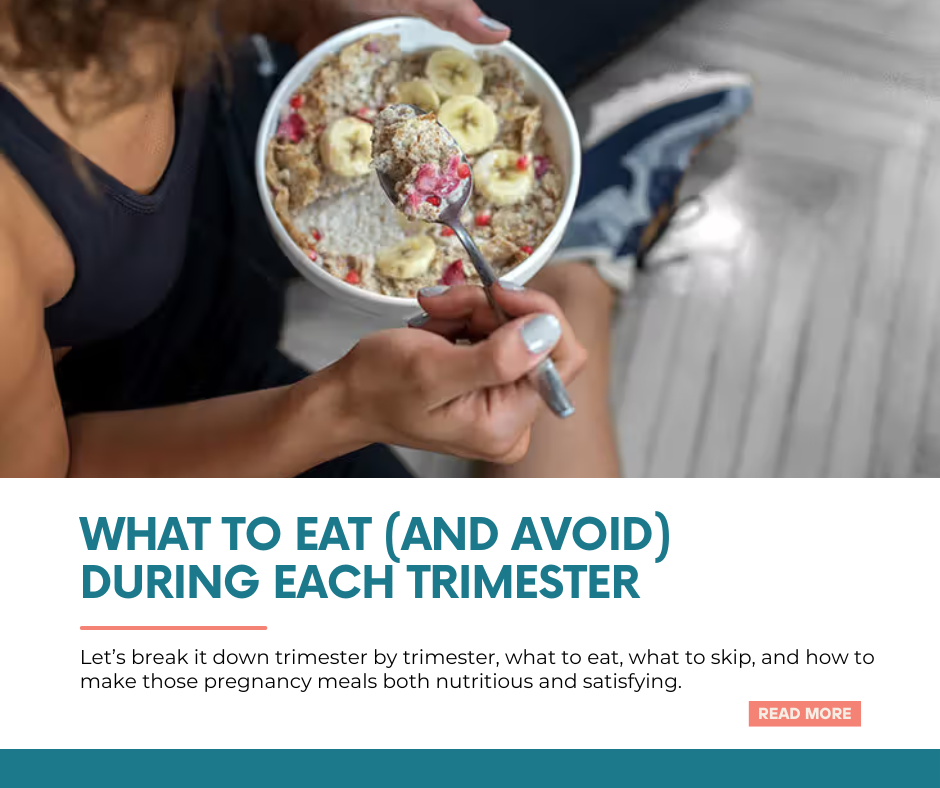
What’s on your plate mama? Seriously, what’s on your plate? Can I take a guess? Let’s see. Is it fried chicken? Fruit salad? Perhaps spicy noodles? Or maybe you’re craving that steaming plate of ugali and sukuma? Whatever it is, one thing is sure, pregnancy changes not just your body but your appetite too. Suddenly, foods you once loved make you queasy, and random cravings hit you at odd hours. But beyond the cravings and aversions, what you eat and avoid eating during pregnancy truly matters for you and your growing baby.
Let’s break it down trimester by trimester, what to eat, what to skip, and how to make those pregnancy meals both nutritious and satisfying. And if you’re struggling with what to eat and avoid during each trimester, book a pregnancy nutrition consultation with a Malaica midwife to manage your diet for a happier bump journey.
First Trimester (Weeks 1–13): Fighting Nausea and Staying Nourished
The first trimester can feel like a roller coaster, morning sickness, fatigue, and cravings that make no sense. But even with all that, your baby’s organs and brain are developing rapidly, so you need key nutrients like folic acid, iron, and vitamin B6.
Foods to Eat During the First Trimester and Why
- Folic acid and iron: Ndengu (green grams), kunde, and spinach (sukuma wiki) to prevent birth defects and tiredness.
- Good and healthy fats: From avocados, groundnuts, chia seeds, walnuts, and extra virgin olive oil to aid in the development of your baby’s body.
- To ease nausea: Vitamin B6 supplements, plain rice, arrowroot, sweet potatoes, dry bread.
- To stay hydrated and energized: Fresh fruits, ripe pawpaw, bananas, oranges, Plenty of water, light uji (porridge).
Foods to Avoid During the First Trimester
- Raw or under-cooked eggs, meat, and fish: They can harbor harmful bacteria, such as Salmonella, that can cause severe food poisoning and stomach infections.
- Soft cheeses or unpasteurized milk: May contain the harmful bacteria Listeria which causes listeriosis, an infection which in it’s extreme, can led to newborn infections, miscarriage, and stillbirth.
- Caffeine and alcohol: They interfere with your baby’s growth and development and can cause birth defects.
- Strong-smelling or greasy foods: They can worsen your nausea.
First trimester diet tip: If food feels like your enemy, nibble small portions throughout the day and lean on your prenatal vitamins to fill in nutritional gaps. You could also benefit from pregnancy meal planning at this point to manage fatigue and have small portions ready.
Related: Foods to avoid during Pregnancy and Why
Second Trimester (Weeks 14–27): The Energy and Growth Phase
Welcome to the “honeymoon phase” of pregnancy. Your nausea fades, energy returns, and your appetite finally behaves! Now, your baby’s bones and muscles are forming fast. You’ll need more protein, calcium, and iron to keep up.
Foods to Eat During the Second Trimester and Why
- Proteins: Lean meats, fish (like tilapia or omena), eggs, and beans for the baby’s tissue and muscle development.
- Calcium for strong bone development: Milk, mala, or fortified plant-based alternative.s
- Vitamins and fibers: Fruits and vegetables to prevent constipation.
- Iron-rich foods: Sukuma wiki, liver (in moderation), ndengu paired with vitamin C fruits like guava or oranges for better absorption.
- Whole grains: Brown ugali, millet, or sorghum porridge for lasting energy.
Foods to Avoid Eating During the Second Trimester
- Excess salt: It can increase water retention and raise your blood pressure
- Sugary snacks: Such as mandazis or sodas, which may satisfy cravings but lead to unnecessary weight gain and expose you to gestational diabetes.
- High-mercury fish: Such as king fish or swordfish that can interfere with your baby’s brain and neurological development. When eating fish, stick to local options like tilapia and omena.
- Alcohol: Interferes with your baby’s growth and development and can cause birth defects.
Second trimester diet tip: Eat small, balanced meals and carry healthy snacks, such as roasted groundnuts, boiled maize, or fruit slices to maintain steady energy.
Third Trimester (Weeks 28–40): Preparing for the Finish Line
At this stage, your baby is putting on weight and getting ready for the world, while you’re likely feeling heavier, sleepier, and fuller faster. Your meals should now focus on maintaining strength, keeping your digestion easy, and preparing your body for labor.
Foods to Eat During the Third Trimester and Why
- Complex carbs: Such as matoke, brown rice, sweet potatoes, and millet porridge for sustained energy without making you sluggish.
- Protein-rich foods: Such as beans, omena, and lean meat to build and repair tissues.
- Iron-rich foods: Sukumawiki, spinach, and liver (in moderation) to maintain good blood levels before birth.
- Healthy fats: Avocado, olive oil, and nuts for your baby’s brain development.
- Hydrating foods: Fruits, soups, and water for amniotic fluid and preventing fatigue.
Foods to Avoid During the First Trimester
- Very spicy or greasy foods to prevent heartburn and indigestion.
- Large heavy meals at night that can cause reflux and disrupt your sleep.
- Unverified herbal teas, always confirm with your doctor before taking any.
Third trimester diet tip: : Smaller, more frequent meals are best now since your growing baby leaves little room for a full stomach.
Learn More About Foods to Eat During Pregnancy With Malaica
Pregnancy isn’t about eating for two, it’s about eating right for two. Each stage has its nutrient needs, and your body will tell you what it craves and what it rejects. Listen to it, but also balance your cravings with smart nutrition choices.
Whether you’re snacking on roasted maize by the roadside, enjoying a hot cup of uji in the morning, or digging into your plate of ugali and sukuma at dinner, remember, every bite is building a stronger, healthier baby.
So, what’s on your plate, mama? Make it count, for you and your little one.
You can also learn more from our online community of pregnant and new moms with conversations, real stories, and ideas on what to eat and avoid during each trimester.
Frequently Asked Questions (FAQs) on What to Eat and Avoid During Each Trimester
How do I eat healthy during each trimester of my pregnancy?
Eating healthy while pregnant goes beyond what to eat and avoid during each trimester. It’s about giving your body what it requires during each stage of your pregnancy.
– First trimester: Foods that support baby’s body and muscle development, give you energy, and manage nausea.
– Second trimester: Foods to keep you energized and support baby’s tissue, bone, and muscle development.
– Third trimester: Foods to support baby’s final-stage development and prepare your body for labor and birth.
Which foods should I avoid eating during pregnancy?
Some of the foods to avoid while pregnant include unpasteurized milk, raw and under-cooked meat, raw fish such as sushi and sashimi, caffeine, raw eggs, alcohol, excess sugarly snacks, and any other foods that might be upsetting to your stomach across the three trimesters. These foodss contain harmful bacteria that can overpower your already weak immune systems, while others, such as alcohol, slows your baby’s development and can cause a miscarriage.
Which fruits can I eat and avoid during pregnancy?
Fruits are essential for a healthy pregnancy diet to provide fiber, keep you hydrated, boost vitamin intake, and increase energy levels. The best fruits to eat while pregnant include avocados for healthy fats, bananas for energy, oranges for vitamin C and folic acid, mangoes for fiber and reduced sugar cravings, and watermelon for hydration. Avoid any fruits that continuously upset your stomach as well as highly processed or canned fruits.
Is omena good for pregnancy?
Yes, omena is safe and highly nutritious for pregnant women across the three trimesters. It’s a rich source of protein, omega-3 fatty acids, and calcium, which are critical for the baby’s tissue, muscle, bones, and brain development. Omena is also packed with iron and vitamin A to prevent maternal anemia and maintain healthy skin for you.