


A mom once shared with us how much she felt less of a mum because she couldn’t produce enough milk. Her baby cried endlessly, her body was exhausted, and her emotions were all over the place. Each time she reached for the formula tin, she felt a wave of guilt. “What will people say?” she whispered. “Everyone keeps telling me breast is best.” Yet, deep down, all she wanted was for her baby to be fed, full, and happy.
Motherhood comes with an endless stream of opinions, especially when it comes to feeding. From aunties at family gatherings to strangers on the internet, everyone seems to have a say on which worked best for them; breastfeeding or formula. But the truth is, no two motherhood journeys are the same. What works for one family may not work for another, and that’s completely okay.
Breastfeeding
Let’s get one thing straight: breastfeeding is an incredible gift. For many mothers, it’s a magical experience, one that feels natural, intimate, and fulfilling. It plays a significant role in:
- Providing optimal nutrition
- Strengthening the immune system
- Creating a deep bond between mother and baby
Factors That Can Make Breastfeeding Challenging
But for other mums, breastfeeding can be a painful, frustrating, and emotionally draining process. Various factors can make the process difficult, including:
- Low milk supply
- Latch difficulties
- Infections
- Returning to work after birth
- Postpartum depression
No mother should feel shame for facing those challenges. Breastfeeding is not a test of love or commitment; it’s one of many ways we nurture our babies. And while we can acknowledge its benefits, we must also create space to talk about the realities that make it difficult for some mothers.
If you’re struggling with breastfeeding, it’s important to seek professional help early. Lactation consultants, midwives, and even experienced moms can offer guidance on positioning, milk production, and ways to make the process more comfortable. Sometimes, simple adjustments make a world of difference. And sometimes, despite your best efforts, breastfeeding still doesn’t work out, and that’s okay, too. You haven’t failed. You’re still a good mom.
Related: Download our breastfeeding tracker to know if your baby is feeding enough
Formula Feeding
Formula feeding, on the other hand, often carries an unnecessary stigma, as though it’s a “second-best” option. But let’s debunk that myth right now. Modern formulas are scientifically designed to provide babies with essential nutrients to support healthy growth and development. They can be a lifesaver for mothers who can’t breastfeed for medical, emotional, or personal reasons.
For some families, formula feeding allows both parents to share in feeding duties, giving mothers a chance to rest and recover.
Breastfeeding or Formula? Which Is Right for You?
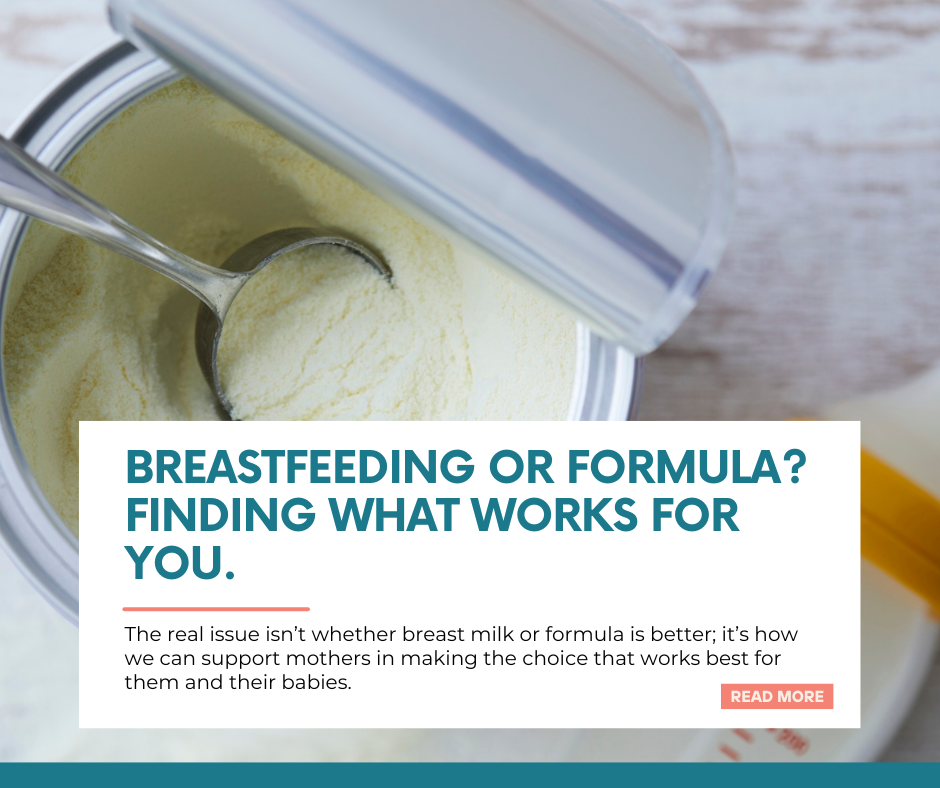
The real issue isn’t whether breast milk or formula is better; it’s how we can support mothers in making the choice that works best for them and their babies. Feeding your baby should never be about guilt; it should be about nourishment, bonding, and peace of mind.
It’s also worth noting that some moms do a combination of both breastfeeding and formula feeding—and that’s perfectly valid. This middle ground allows you to maintain some breastfeeding benefits while easing the pressure to produce every single feed. Mixed feeding doesn’t make you indecisive or lazy; it makes you adaptable.
The best feeding journey is one that brings you peace. Whether that means exclusive breastfeeding, pumping, formula feeding, or a mix of both, your decision should be rooted in what feels right for you and your family, not in societal expectations or pressure from others.
As mothers, we’re often our own harshest critics. We carry the weight of wanting to do everything “right.” But motherhood isn’t a competition; it’s a calling filled with choices, lessons, and grace. Feeding your baby, no matter how you do it, is one of the most loving acts of care you can give.
If you ever find yourself comparing or feeling judged, pause and remind yourself: you’re doing your best. You’re showing up. You’re loving your baby in the way only you can. And that’s enough.
To the mom whose milk didn’t come in.
To the mom who pumped through tears and exhaustion.
To the mom who decided formula was the best option for her family.
To the mom who breastfeeds around the clock despite sore nipples and sleepless nights.
You’re all incredible. Your journey is valid. Your love is what truly nourishes your baby.
So the next time someone asks, “Are you breastfeeding or formula feeding?” hold your head high and say, “I’m feeding my baby, and that’s what matters.”
Baby Feeding Support at Malaica Maternity Hospital
At the end of the day, fed is best, and every mother deserves to feel proud of how she chooses to feed her little one. Whether you’re via breastfeeding or formula feeding, Malaica provides you with all the support you need to ensure your baby is getting enough nutrients to hit key development milestones.
Our postnatal care team listens with compassion and offers you practical solutions to your feeding challenges including lactation support and education on formula feeding. We also check your baby to ensure that no matter the feeding method, they’re feeding sufficiently.
You’ll also get access to our 24/7 midwife hotline for emergencies, a virtual psychologist for mental health support, and an online community of newborn mums who can offer tips and share experiences for reassurance.
Reach out by calling or sending us a message at +254 746 610643 to learn more about how we can support your feeding, motherhood, and parenthood journey.