


Remember those magazines that used to scream headlines like “17 Reasons Why He Might Not Be Into You” or “How to Convince a Jonte That You’re the It”? We’d flip through them with giggles, half amused, half curious, secretly checking how many “reasons” applied to us. More often than not, the answers were more relatable than we’d admit.
Fast forward a few years. Life has steadied and your heart is now drawn to very different headlines: “How to Boost Your Fertility Naturally” or “Foods That Get You Closer to Pregnancy”. Suddenly, it’s less about who’s into you and more about how to prepare your body for the tiny human you long to hold in your arms.
While conception is influenced by many factors such as age, genetics, medical conditions, and lifestyle, nutrition is one of the areas you can actually control. Science continues to confirm what our grandmothers always suspected: your diet plays a huge role in fertility. Food fuels ovulation, balances hormones, and prepares your body for pregnancy. While no diet can guarantee a positive pregnancy test, the right choices give your body the best environment possible for conception.
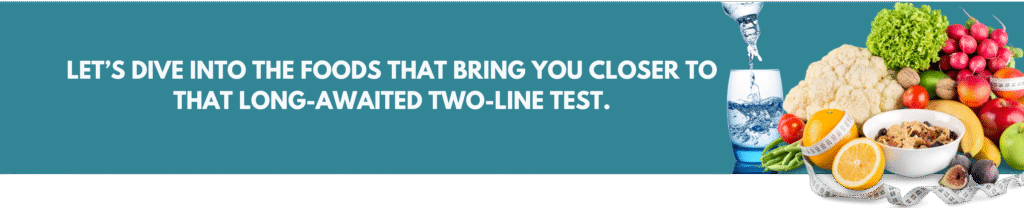
So, what foods should you eat when preparing to get pregnant?

Scoop Number 1. Leafy Greens
Spinach, kale, and even our local treasure, managu, are rich in folate, a B vitamin essential for reproductive health. Folate not only aids in healthy egg development but also lowers the risk of birth defects once conception happens. For the best results, try mixing up your greens throughout the week to keep things interesting. Tips to include leafy greens in your preconception diet:- Make a salad
- Blend in smoothies
- Sautee leafy greens as a side
- Toss in your morning omelet
- Pair managu with ugali
Scoop Number 2. Plant-based Proteins
Yes, we know how nyama choma takes center stage, especially when it comes to pregnancy cravings. While animal protein is important, research shows that adding more plant-based proteins can improve fertility. Beans, lentils, peas, and chickpeas help regulate blood sugar and improve ovulatory function. Balanced blood sugar means balanced hormones, which is key for reproductive health. You don’t have to say goodbye to your favorite types of meat, but rotating in plant-based proteins a few times a week could make all the difference.Scoop Number 3. Avocados
Aaaah Avocados!…..bae since 1989! If there’s one food that deserves the fertility crown, it’s avocado. Creamy, versatile, and delicious, avocados are loaded with monounsaturated fats that support hormone production. Hormones are the messengers that keep your reproductive system on track, so giving them a nutrient boost is a smart move. Every bite is a step toward a more balanced system. Tips to include avocados in your preconception diet:- Mash onto whole-grain toast
- Slice into a salad
- Blend in a smoothie
- Mash and use as a side
Scoop Number 4. Whole Grains
Refined carbs like white bread and processed ugali may be quick fixes, but they spike your blood sugar. High insulin levels can disrupt ovulation and make conception harder. Whole grains, on the other hand, are steady energy providers. Brown rice, oats, millet ugali, and whole wheat chapati do not spike the blood sugars compared to refined wheat.This keeps insulin levels stable, which directly supports reproductive health. If your palate is not used to certain whole grains, add them in your diet in small portions over time. For example, try mixing brown and white until your palate adjusts. It’s a small shift with long-term benefits.Scoop Number 5. Fish Rich in Omega-3
Let’s make room for some Kisumu pride on your plate! Fat often gets a bad reputation in matters of nutrition, but the right kind of fat is your fertility friend. Fish, such as salmon, omena, and tilapia, are rich in omega-3 fatty acids. These fats reduce inflammation, improve egg quality, and regulate reproductive hormones. For men, omega-3 also enhances sperm quality, making fish a true team-effort food. If fresh fish is hard to come by, omena is an affordable, accessible, and nutrient-dense alternative for a fertility boosting Kenyan diet.Scoop Number 6. Fruits Full of Antioxidants
Oxidative stress, caused by an imbalance in body molecules, is a top enemy for fertility. It damages both eggs and sperm, making conception difficult. Antioxidant-rich fruits like berries, oranges, apples, cherries, and bananas neutralize this damage by protecting reproductive cells. Think of antioxidants as a natural shield for your eggs and his sperm. A hack for consuming more of these is that the more color on your fruit plate, the better. Tips to include antioxidant fruits in your preconception diet:- Snack on berries
- Slice bananas into your cereal
- Squeeze fresh orange juice for breakfast
- Eat your apples unpeeled
- Dip berries in melted dark chocolate